
Italian culture has always travelled well. Long before today’s global conversations about design, sustainability, sport, and heritage, Italian artists, architects, chefs, and thinkers were shaping ideas that crossed borders and generations.
This month’s Italy On Our Radar highlights stories that demonstrate how those influences continue to evolve. From an exhibition celebrating the revolutionary spirit of Futurism to contemporary architecture in Belgium, public art in Basilicata, a symbolic sculpture linking Rome and Vilnius, and initiatives that invest in education, philanthropy, and culinary excellence, these stories remind us that Italian creativity rarely exists in isolation. Instead, it continues to inspire dialogue between cultures, disciplines, and communities around the world.
Futurism Returns to Caorle
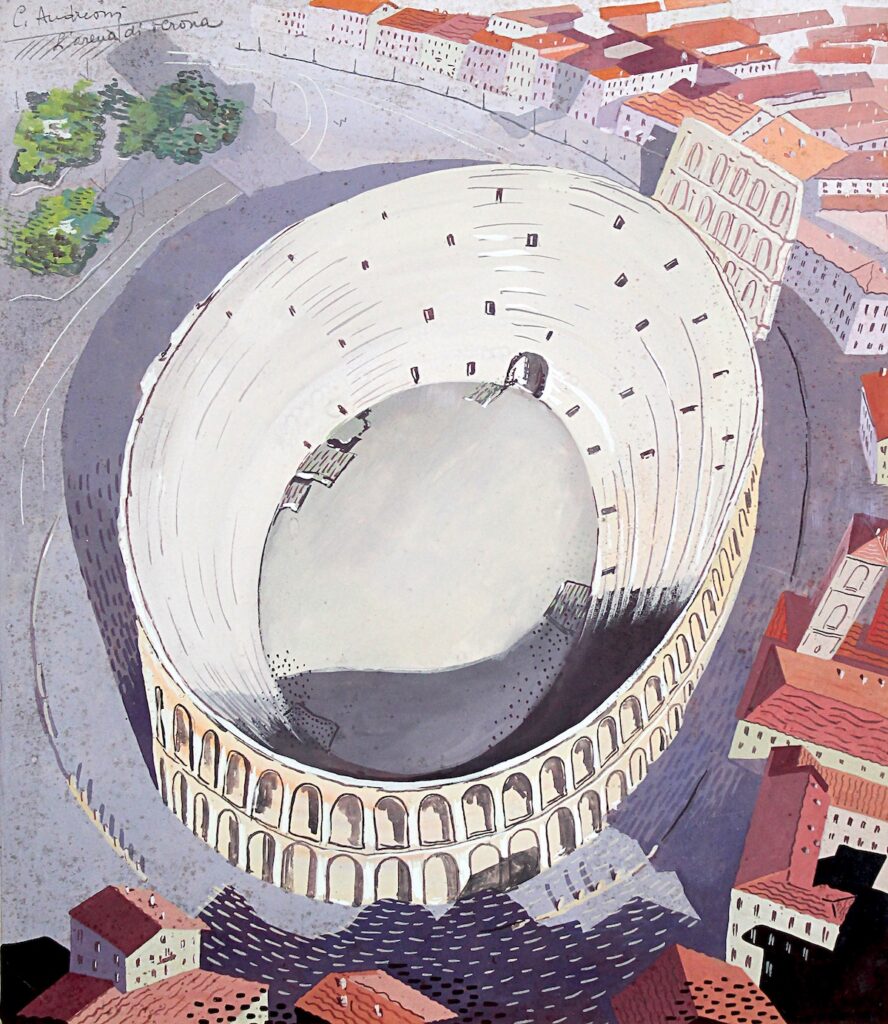
More than a century after Filippo Tommaso Marinetti published the Futurist Manifesto, one of Italy’s most influential artistic movements returns to the spotlight in Futurism: Prophecy and Revolution, on view through September 6, 2026, at the A. Bafile Cultural Centre in Caorle.
The exhibition explores the movement’s revolutionary impact on painting, sculpture, literature, architecture, design, advertising, and visual communication. While Futurism celebrated speed, technology, and modernity, it also profoundly influenced generations of artists well beyond Italy. Today, the exhibition invites visitors to reconsider its artistic legacy within a broader historical context, examining both its creative achievements and its cultural significance.
Presented by MV Arte in collaboration with Caorle, the exhibition offers an opportunity to revisit one of the defining movements of twentieth-century Italian art.
A Wolf Connects Vilnius and Rome
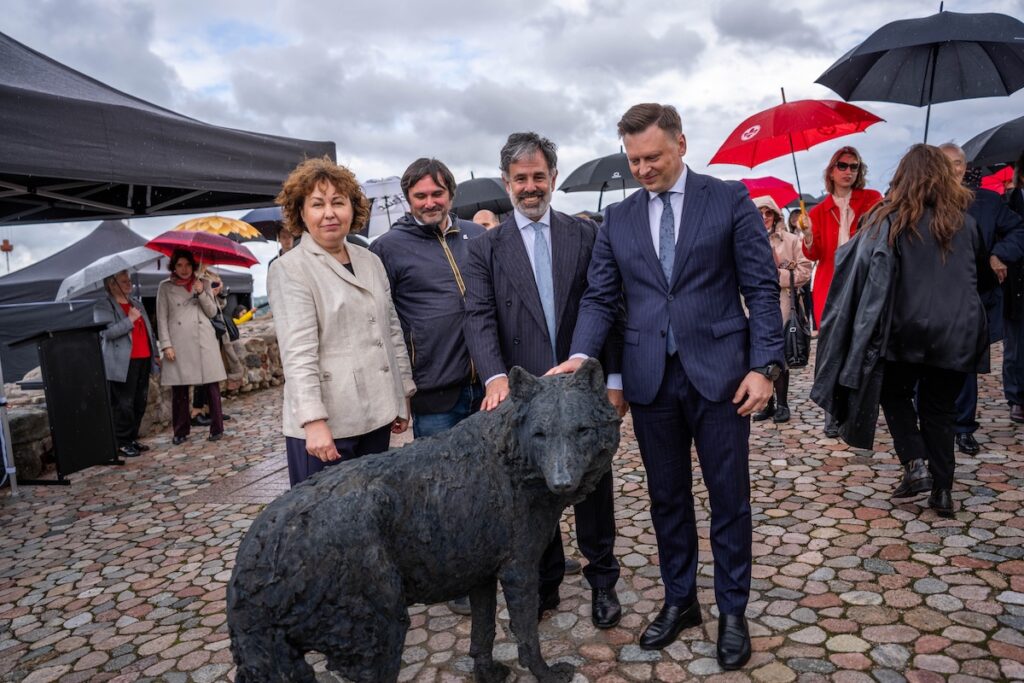
Two European capitals connected by ancient legends now share a contemporary artistic symbol.
Italian sculptor Davide Rivalta’s life-sized bronze Wolf has been installed on Gediminas Hill in Vilnius, commemorating the 35th anniversary of restored diplomatic relations between Lithuania and Italy. The sculpture references both Rome’s Capitoline Wolf and the legendary Iron Wolf that inspired the founding of Vilnius, creating a powerful dialogue between mythology, diplomacy, and contemporary public art.
Beyond its symbolism, the installation highlights centuries of cultural exchange between Italy and Lithuania, from Renaissance influences and Baroque architecture to today’s collaborative cultural initiatives. Situated atop one of Lithuania’s most important historic landmarks, Rivalta’s work reminds visitors that shared stories continue to build bridges between nations.
Serie A Looks West
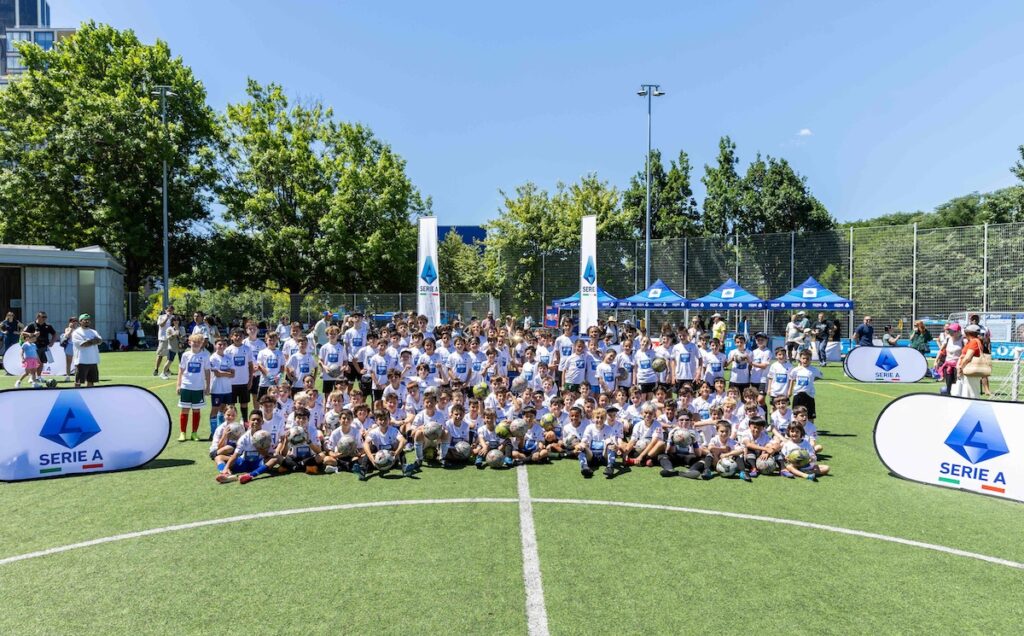
As football captures global attention this summer, Serie A Elite is introducing a new generation of North American players to Italy’s renowned coaching philosophy and player development. Created by Lega Serie A in partnership with Rome City Institute, the initiative goes beyond exporting the game by sharing the principles that have shaped generations of Italian footballers.
Youth players gain access to training programs inspired by Serie A clubs while experiencing the values, discipline, and culture that have long distinguished Italian football. As the sport continues to grow internationally, initiatives like Serie A Elite demonstrate how Italy’s influence extends beyond competition, using football to build lasting cultural connections with the next generation.
Beyond the Wall Begins to Speak
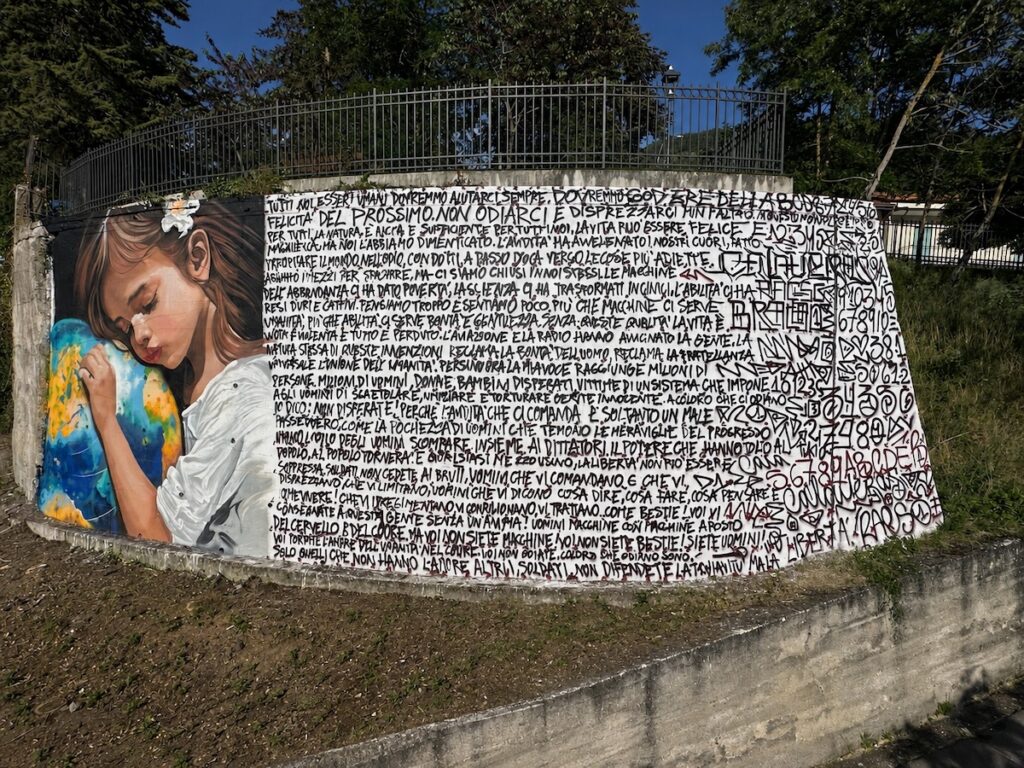
In Basilicata, the monumental mural Oltre il Muro (Beyond the Wall) continues to transform both a village landscape and the conversation surrounding public art.
The emerging work by internationally recognized artists Jorit, Teso, and Calaveras now reveals its emotional core. A young girl embraces the Earth while passages inspired by Charlie Chaplin’s final speech in The Great Dictator gradually appear across the wall. Together, image and text invite reflection on compassion, responsibility, peace, and our shared future.
What began as an urban regeneration project has become something larger—a work that encourages visitors to slow down, look closely, and consider how public art can reshape not only physical spaces but also the communities that surround them.
Italian Architecture Beyond Italy
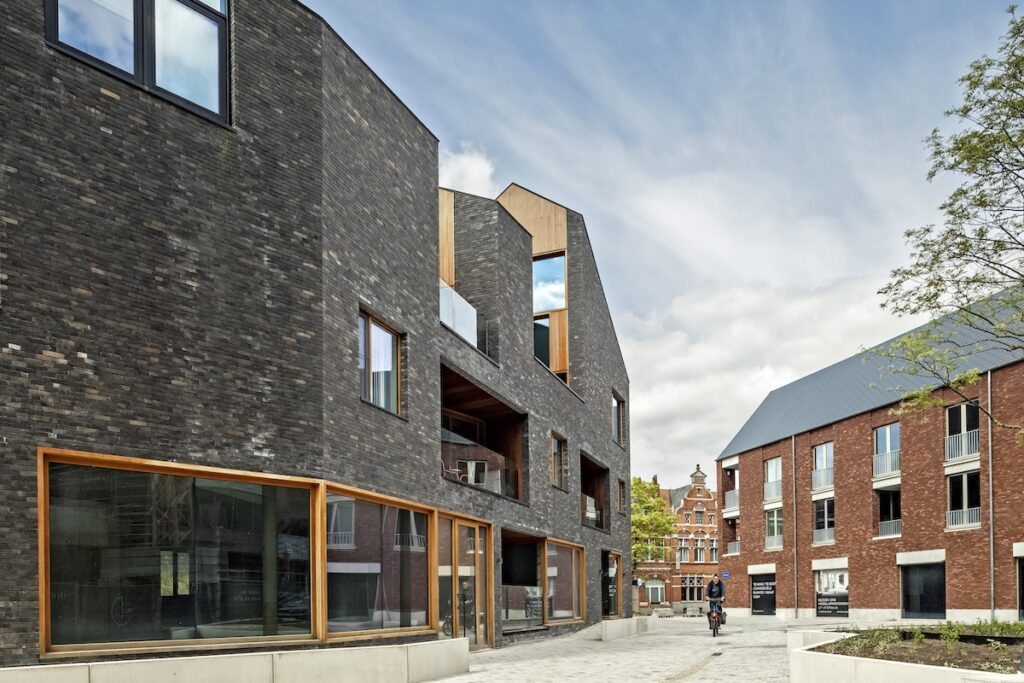
Italian design continues to shape the international architectural landscape.
In Aarschot, Belgium, the striking “Snake Building,” designed by C&S Architects, demonstrates how contemporary architecture can respond creatively to both urban context and human experience. The flowing brick façade wraps around the structure with subtle movement, giving the building its distinctive identity while integrating residential, commercial, and public spaces into a cohesive whole.
Led by Italian architect Maria Alessandra Segantini, the project reflects a design philosophy that prioritizes sustainability, craftsmanship, and the relationship between architecture and everyday life—qualities long associated with Italy’s architectural tradition.
An Ode to Lake Como
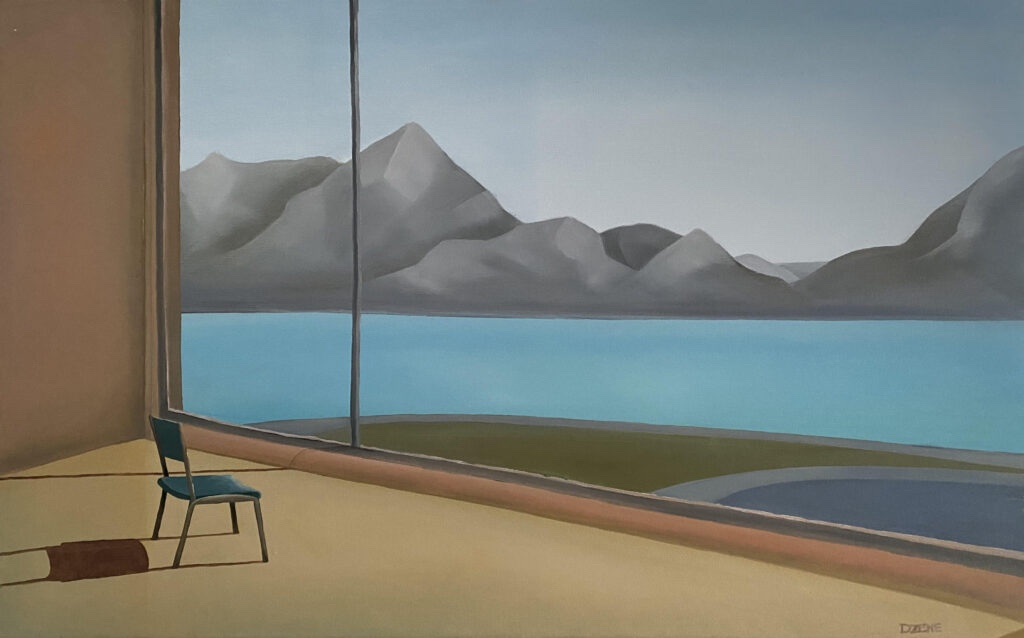
Landscape has long inspired artists, and for painter Diāna Dzene, Lake Como has become an enduring source of creativity. In Green Chair with a View, part of her ongoing series An Ode to Lake Como, a solitary chair overlooks the lake as soft light, still water, and distant mountains create a quiet moment of contemplation.
Throughout the series, Dzene revisits Lake Como through intimate perspectives that emphasize atmosphere over landmarks. Whether depicting a ferry crossing the lake, a quiet terrace, or a simple chair facing the water, her paintings invite viewers to experience the region through moments of stillness and reflection.
Rather than celebrating movement, the series encourages us to pause and observe. It reminds us that Italy’s most memorable places are often appreciated not through grand spectacles, but through quiet moments that linger long after the journey ends.
Investing in the Next Generation
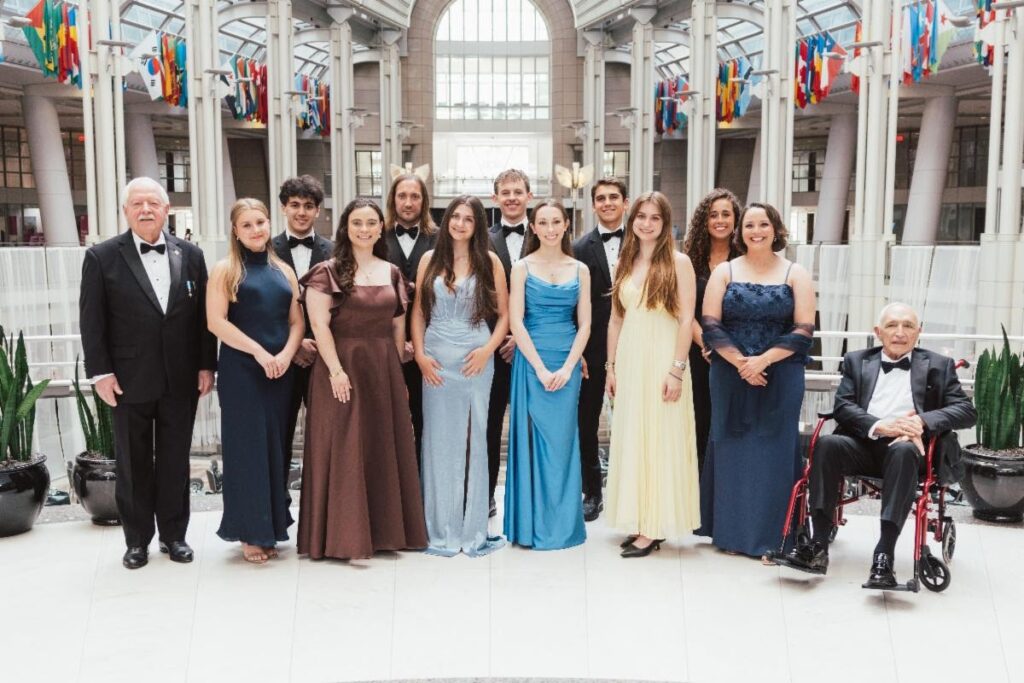
Italian heritage is preserved not only through monuments and traditions, but also by investing in future generations.
At its 37th Annual National Education & Leadership Awards Gala in Washington, D.C., the Sons of Italy Foundation celebrated distinguished leaders while awarding more than $220,000 in scholarships to outstanding students of Italian descent. The evening also honored the Region of Umbria as OSDIA’s 2026 Region of Celebration, reinforcing the enduring cultural relationship between Italy and the United States.
For more than six decades, the Foundation has supported education, philanthropy, cultural preservation, and community leadership, demonstrating that heritage is strengthened when opportunities are created for those who will carry it forward.
Star Chefs Unite for a Greater Purpose
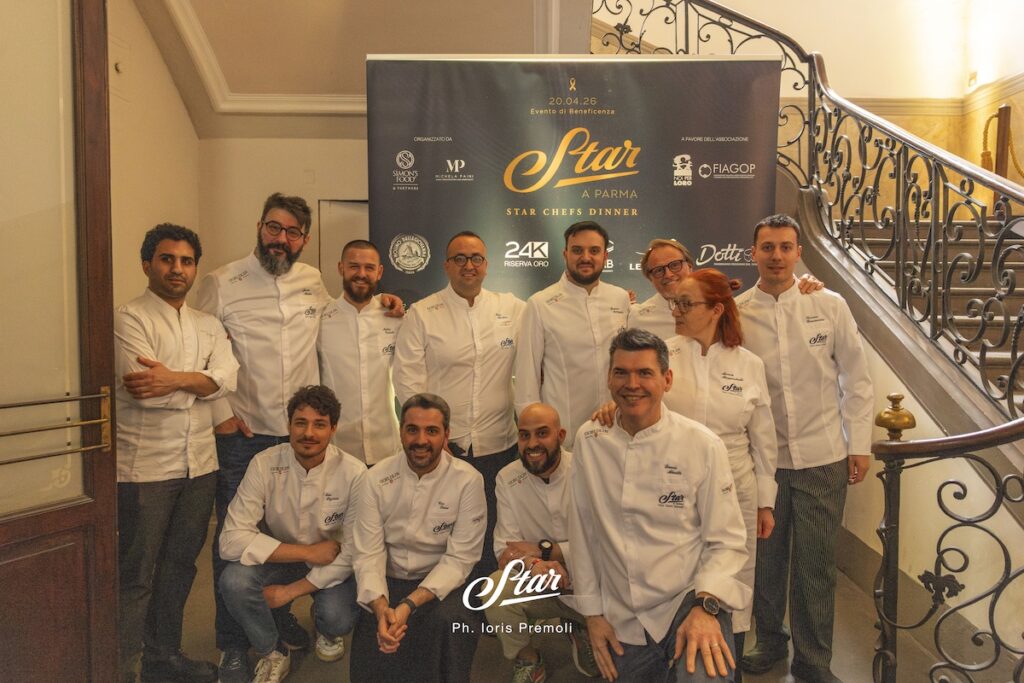
Italian cuisine once again demonstrated its ability to bring people together beyond the dining table.
The annual Star Chef’s Dinner in Parma united acclaimed chefs for an evening benefiting pediatric oncology initiatives through FIAGOP. Combining culinary excellence with charitable giving, the event showcased how food can become a powerful vehicle for generosity and community engagement.
While each chef brought individual talent to the kitchen, the evening reflected a broader Italian tradition: sharing meals not simply as an act of hospitality, but as a way of supporting meaningful causes and strengthening human connections.
Looking Ahead
Whether expressed through contemporary art, architecture, sport, philanthropy, or gastronomy, these stories illustrate the many ways Italian creativity continues to influence communities around the world. They remind us that culture is never static. It evolves through collaboration, dialogue, and the people who carry traditions into new places and new generations.
These are the stories currently on our radar, and we look forward to seeing where they lead next.