
Every year on June 2, Italians celebrate Festa della Repubblica, the national holiday marking the 1946 referendum when Italians voted to abolish the monarchy and establish the Italian Republic. For many outside Italy, the holiday is often associated with military parades, flags, and institutional ceremonies in Rome. Yet the deeper emotional significance of that day is perhaps best understood through ordinary lives rather than official speeches.
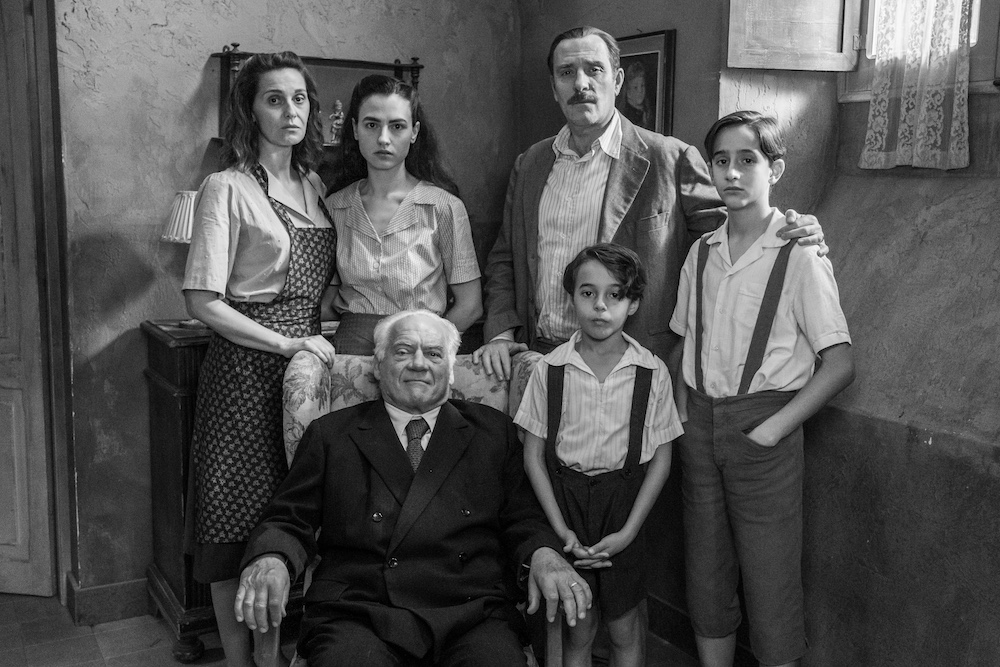
That is one reason why There’s Still Tomorrow (C’è Ancora Domani) resonates so strongly today.
Released in U.S. theaters in March 2025, There’s Still Tomorrow became a cultural phenomenon in Italy and won six David di Donatello Awards. Directed by and starring Paola Cortellesi as Delia, the black-and-white film also introduced many international viewers to a lesser-known chapter of modern Italian history.
For language learners, it is also an unexpectedly powerful tool for practicing Italian while learning modern Italian history through emotion, dialogue, and everyday life.
What Is Festa della Repubblica?
On June 2, 1946, Italians participated in a historic institutional referendum following the end of World War II and Fascism. Citizens were asked to choose between continuing as a monarchy or becoming a republic.
Importantly, Italian women voted in a national election for the first time.
That detail transforms C’è Ancora Domani from a domestic drama into something larger. The film quietly builds toward a moment that many viewers outside Italy may not initially recognize: the emotional significance of voting itself.
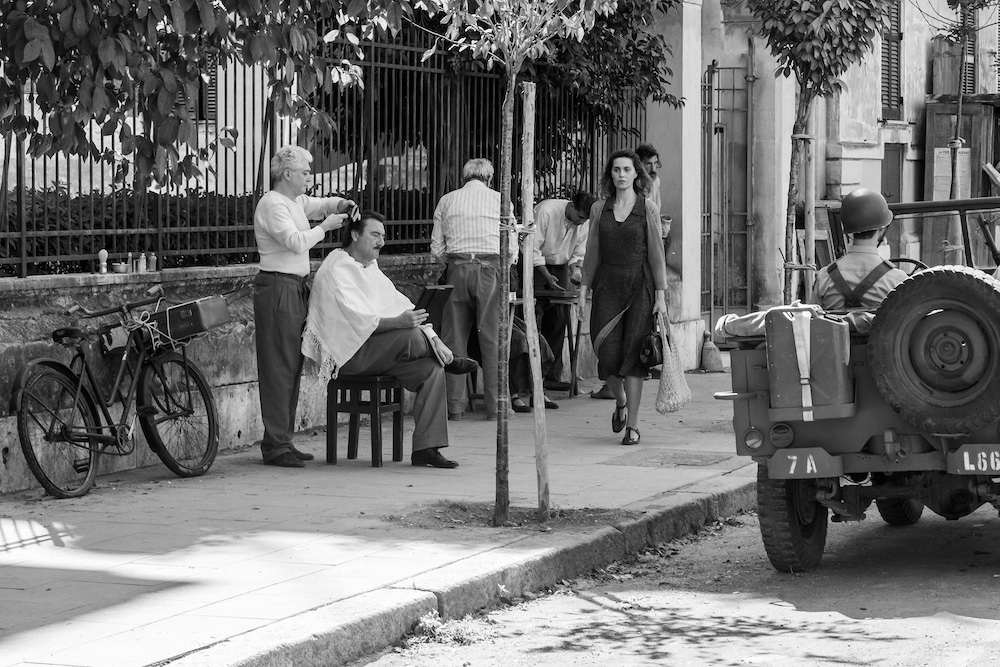
Set in postwar Rome, There’s Still Tomorrow tells the story of Delia, a working-class woman trapped in an abusive marriage while trying to create a better future for her daughter. The synopsis describes her as a woman who “discovers the courage to change the circumstances of her life” after receiving a mysterious letter.
Without revealing too much for first-time viewers, the film ultimately reframes political participation as deeply personal, especially for women whose voices had long been excluded from public life.
Learning Italian Through Cinema
For readers of Live in Italy Magazine interested in improving their Italian, C’è Ancora Domani offers more than vocabulary practice.
The dialogue reflects Roman speech patterns, family dynamics, humor, and social codes from another era while remaining emotionally understandable even for intermediate learners. Because the film balances dramatic and lighter moments, viewers can follow conversations naturally rather than feeling overwhelmed by formal language.
Watching Italian cinema can also help learners understand rhythm, gestures, and cultural nuance in ways textbooks rarely capture.
The film’s themes of resilience, neighborhood life, family obligation, and social change remain deeply connected to modern Italy. Even viewers who rely partly on subtitles may begin recognizing recurring expressions and emotional cues through repetition.
For many foreigners, language learning becomes easier when tied to a human story. C’è Ancora Domani succeeds because history never feels distant or academic.
Why the Film Resonated Across Italy
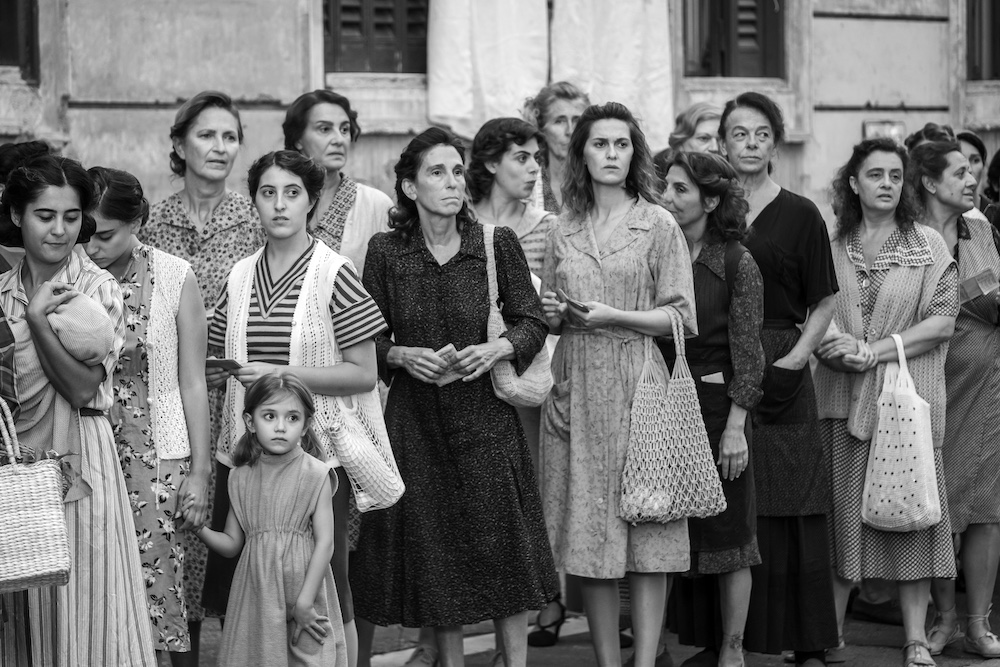
In her director’s notes, Cortellesi explains that the film was inspired by stories told by her grandmothers and older relatives about postwar Italy. She describes wanting to portray “ordinary women who never made history” yet endured abuse because “that was simply the way things were.”
She also notes that the ending emerged from reading a children’s book about women’s rights with her daughter.
That intergenerational perspective partly explains why the film sparked conversations across generations in Italy. Younger viewers saw parallels with ongoing discussions about domestic violence and women’s rights, while older audiences recognized echoes of family histories often left unspoken.
The themes remain painfully relevant today.
The Miami Exhibition Connecting Past and Present
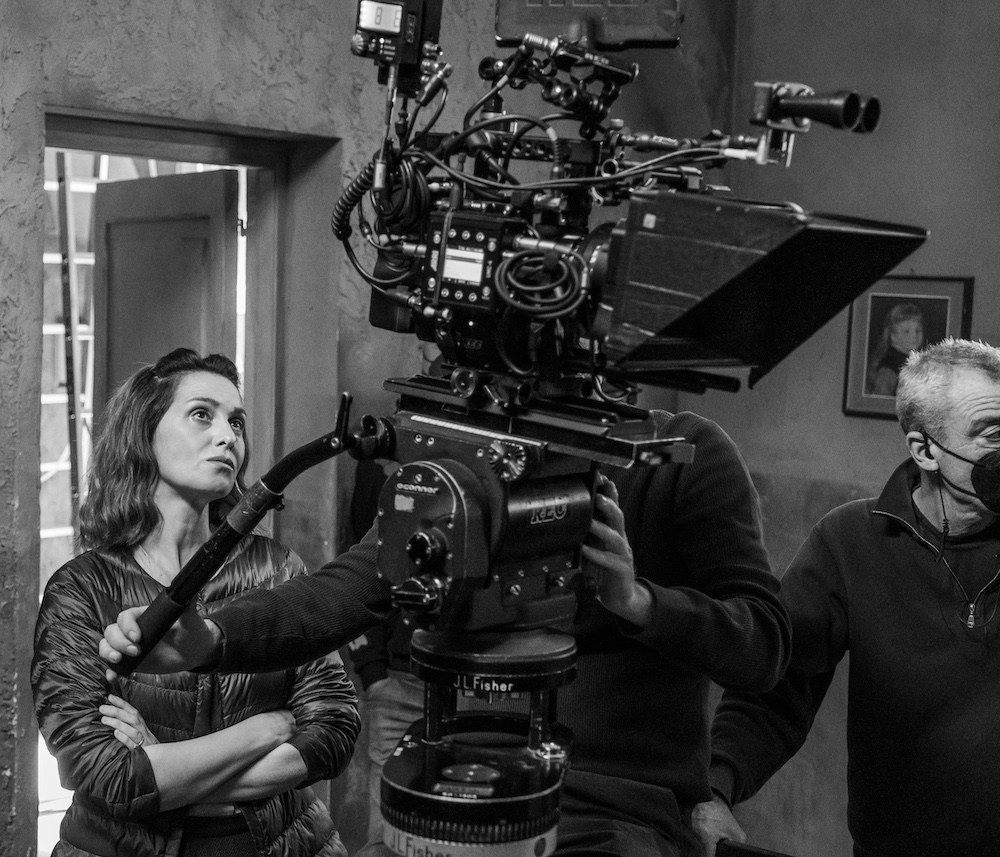
The recently closed Istituto Italiano di Cultura di Miami photography exhibition (There Is Still Tomorrow, Always), presented just ahead of Festa della Repubblica, deepened the emotional impact of the film through 50 behind-the-scenes images captured by photographer Claudio Iannone during production.
Curated by Alessandra Albanesi, the exhibition documented both intimate and dramatic moments from the set while reinforcing the film’s neorealist atmosphere and black-and-white visual language. The project was created not only as an exploration of the filmmaking process, but also as a reflection on contemporary social issues, including the role of women and gender-based violence.
Iannone, who has worked on more than 120 films and collaborated with directors including Ettore Scola, Roberto Benigni, Gabriele Salvatores, and Paola Cortellesi, captured the emotional tension of the story through still photography that felt cinematic in its own right.
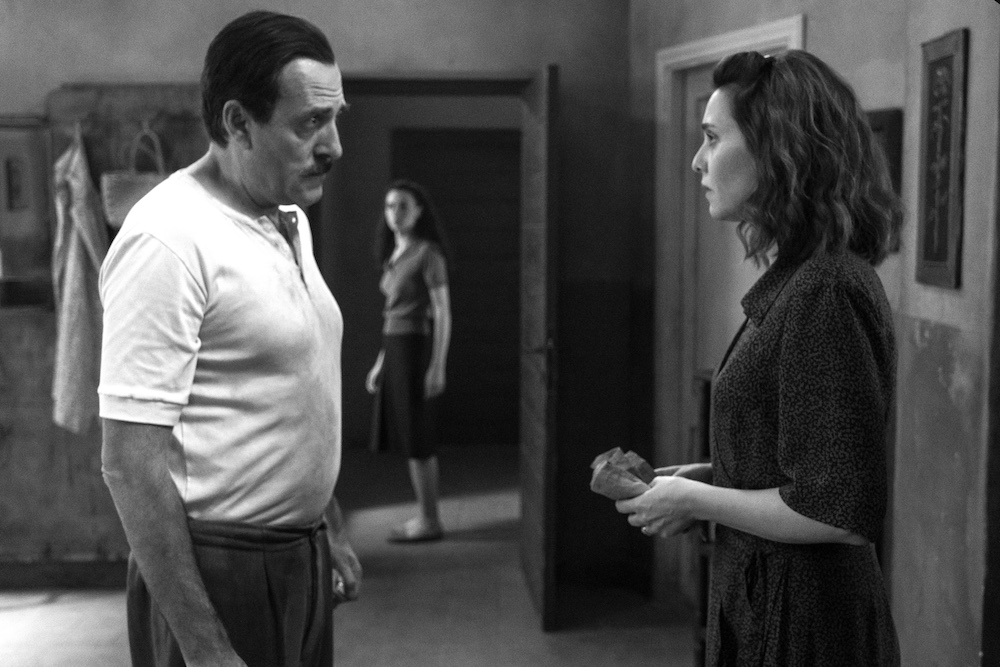
The program also referenced Una Nessuna Centomila, the Italian nonprofit organization working to combat violence against women and support prevention initiatives today, reminding audiences that the issues raised in the film are not confined to history.
A Different Way to Understand Italy
Many travelers encounter Italy first through food, art, landscapes, or language study. Yet films like C’è Ancora Domani reveal another layer of the country: the social and emotional realities that shaped modern Italian identity after the war.
Festa della Repubblica is not only about institutions. It is also about participation, dignity, and the gradual expansion of rights.
That is why the final moments of the film carry such emotional weight for Italian audiences.
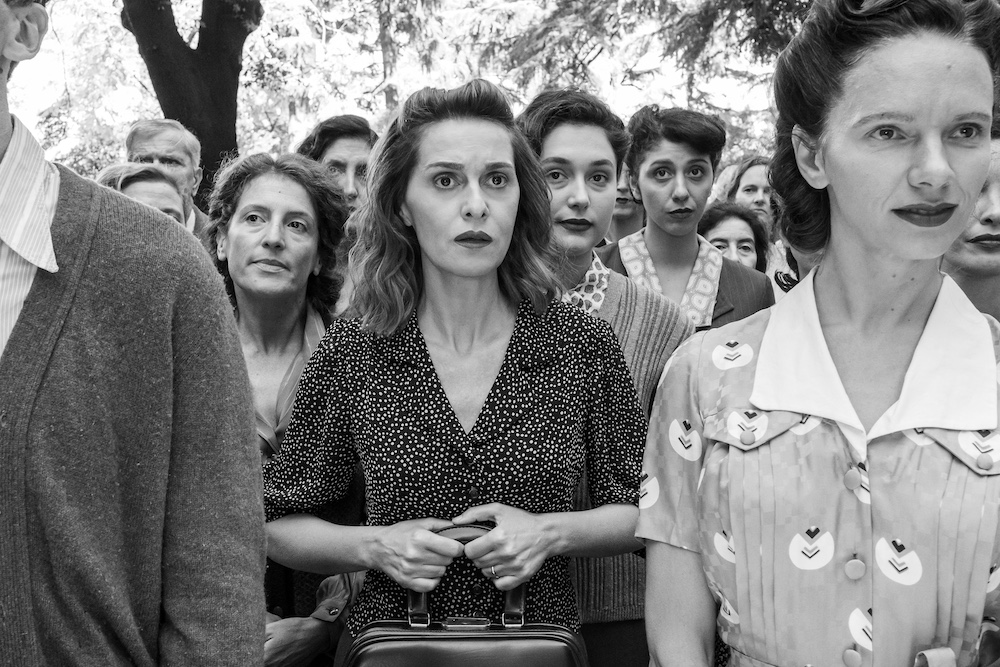
For those learning Italian abroad, watching C’è Ancora Domani around June 2 offers a meaningful way to connect language, history, and contemporary conversation through cinema.
The film is currently available to rent on YouTube, Amazon and other streaming services in select regions.
Readers interested in contemporary Italian cinema and visual storytelling can also explore Live in Italy Magazine’s conversation with Nicolangelo Gelormini about La Gioia and the evolving language of modern Italian filmmaking.
Buona Festa della Repubblica.