
Being slow means that you control the rhythms of your own life. You decide how fast you have to go in any context. If today I want to go fast, I go fast. If tomorrow I want to go slow, I go slow. What we are fighting for is the right to determine our own tempos. — Through Slow Food and Terra Madre, Petrini helped connect producers and communities worldwide.
Carlo Petrini
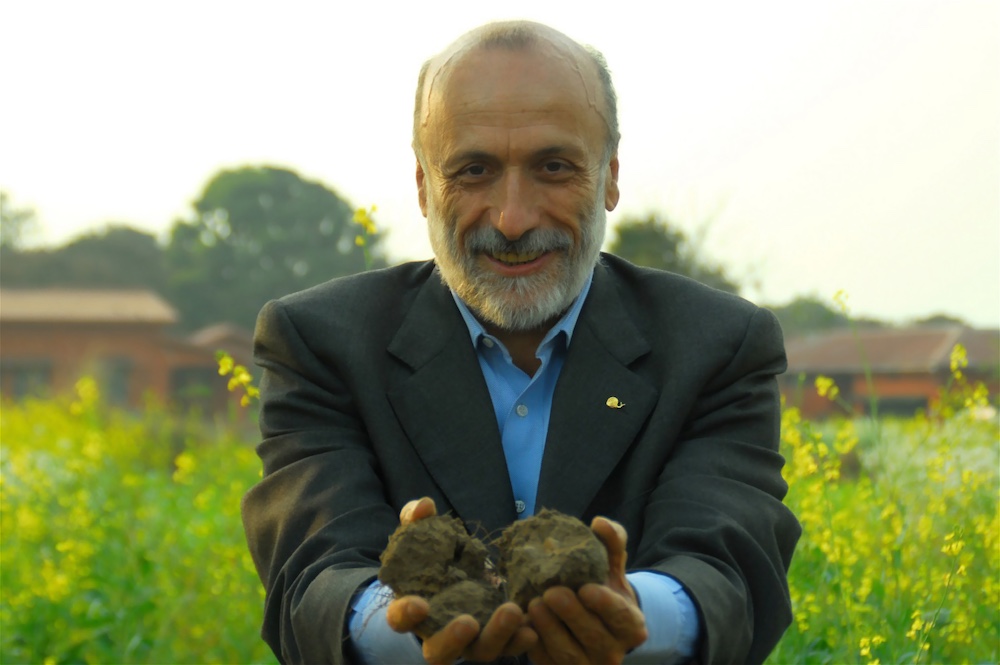
The passing of Carlo Petrini marks the loss of one of Italy’s most influential cultural voices. Founder of the global Slow Food movement, Petrini spent decades advocating for biodiversity, regional food traditions, sustainable agriculture, and a more intentional relationship with daily life.
© Marco Del Comune & Oliver Migliore
Petrini passed away on May 22 at the age of 76 in his hometown of Bra, in Piemonte, according to Slow Food’s official announcement.
While much of the international coverage surrounding his death has focused on his achievements within the food world, Petrini’s philosophy extended far beyond what appeared on the table. His ideas challenged modern society’s obsession with speed, convenience, and mass consumption. In their place, he promoted a deeper connection to land, culture, community, and time itself.
For many travelers, these values are also part of what continues to make Italy so compelling.
More Than a Food Movement
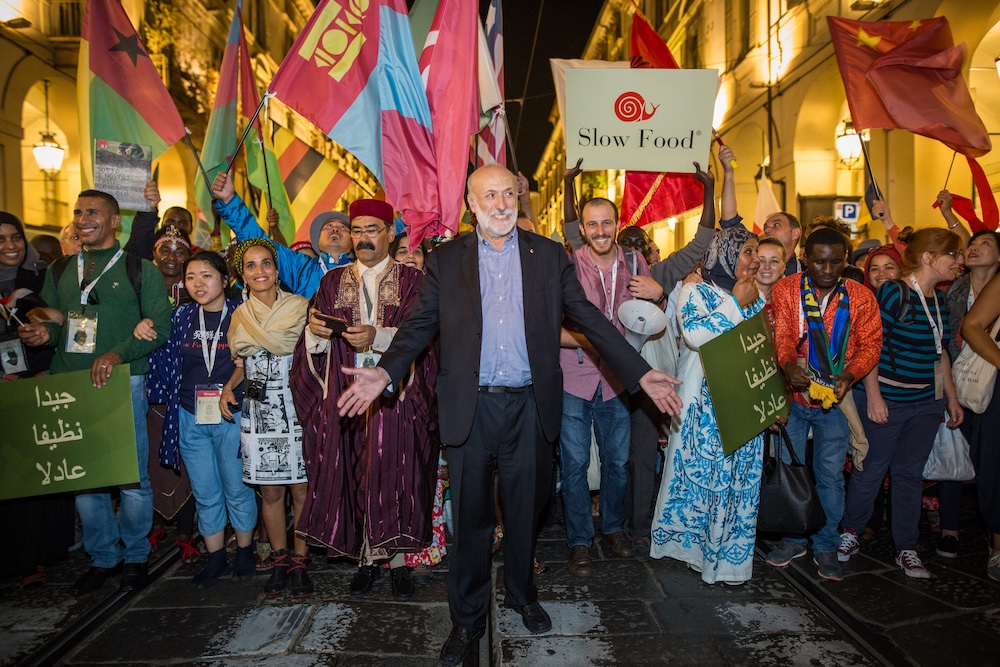
Founded in Italy during the 1980s, Slow Food emerged as a response to the growing influence of fast food culture and industrialized agriculture. However, the movement quickly evolved into something much larger.
Petrini believed that food was inseparable from identity, tradition, and the environment. He championed small producers, artisanal methods, and regional culinary knowledge at a time when globalization increasingly favored standardization. Through initiatives such as Terra Madre and the Ark of Taste, Slow Food helped preserve endangered ingredients, local farming traditions, and food cultures around the world.
The movement’s guiding philosophy — “Good, Clean and Fair” — encouraged consumers to think beyond convenience. Food should taste good, be produced responsibly, and support those who cultivate it.
Yet perhaps Petrini’s greatest contribution was his ability to connect food with quality of life itself.
In many Italian towns and cities, daily life still reflects some of the values he defended. Outdoor markets remain social gathering places. Meals continue to bring families together for extended conversations. Seasonal ingredients shape menus naturally. Independent producers and neighborhood shops still hold cultural importance.
These traditions are not simply nostalgic rituals. They represent a different rhythm of living.
The Life and Legacy of Carlo Petrini
Born in Bra, Piemonte, Carlo Petrini grew up surrounded by the agricultural traditions and regional cuisine that would later shape his worldview. According to his official biography, Petrini began his career as a journalist and political activist before founding Slow Food in 1986.
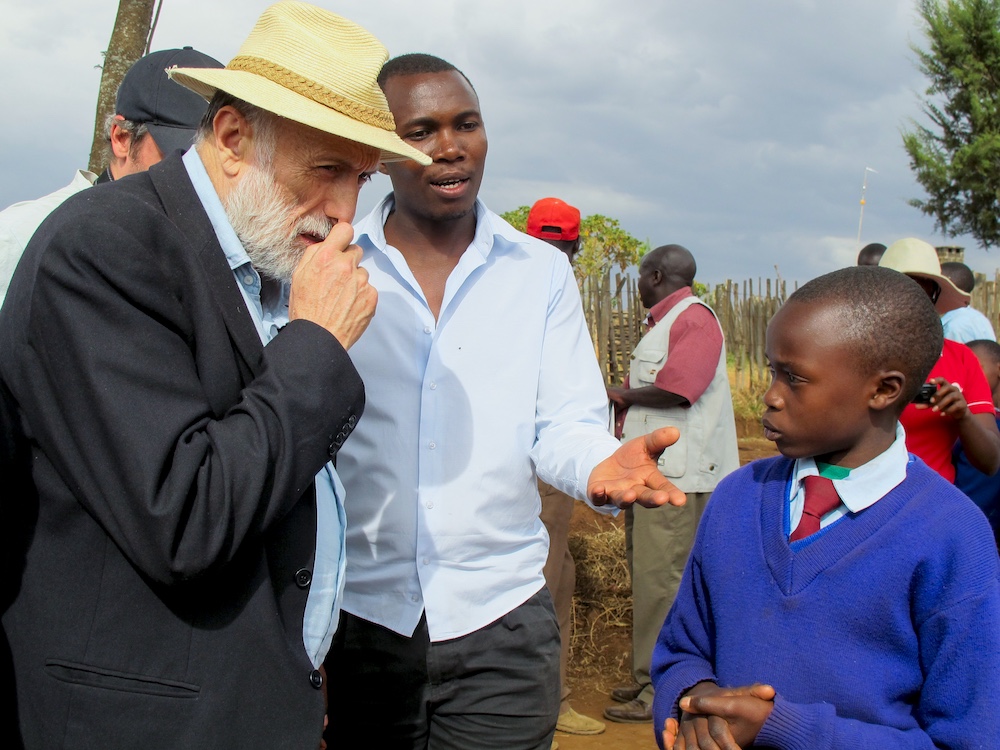
What began as an Italian grassroots movement eventually became an international organization active in more than 150 countries. Over the decades, Petrini published numerous books, lectured globally, and collaborated with chefs, farmers, educators, and environmental advocates.
The movement’s timeline reflects how rapidly his ideas resonated worldwide. From the opening of the first Slow Food office in Bra to the creation of Terra Madre and university programs dedicated to gastronomy, Slow Food became both a cultural and educational force. The organization’s history traces the evolution of a movement that transformed how many people think about food systems, sustainability, and local economies.
© Archivio Slow Food
Even as Slow Food expanded internationally, Petrini consistently emphasized the importance of protecting local traditions and biodiversity. He viewed food not as a luxury reserved for a privileged few, but as part of a broader ecosystem connecting people, culture, and the environment.
Why His Philosophy Still Matters
Today, many of Petrini’s ideas feel more relevant than ever.
Conversations surrounding sustainability, food waste, regenerative agriculture, and overconsumption now dominate global discussions. Younger generations increasingly seek transparency about where food comes from and how it is produced. Farmers markets, urban gardens, and regional cooking traditions have regained visibility in many parts of the world.
At the same time, modern life often feels defined by constant acceleration.
Petrini’s philosophy offered a reminder that slowing down does not necessarily mean rejecting progress. Instead, it means becoming more intentional about how we spend our time, what we consume, and how we connect with others.
For travelers inspired by Italy, this lesson often extends beyond cuisine. It can be found in the experience of lingering over a meal, shopping locally, walking through neighborhood markets, learning regional recipes, or simply allowing daily routines to unfold at a more human pace.
Bringing the Slow Food Philosophy Into Everyday Life
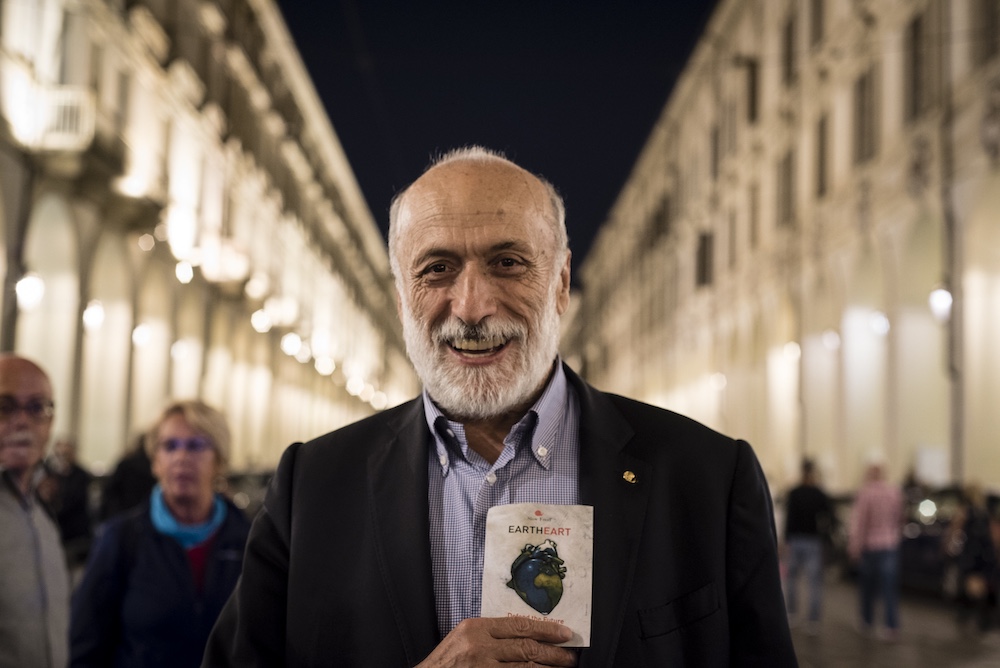
Honoring Carlo Petrini’s legacy does not require moving to Italy or completely transforming one’s lifestyle. Many of the principles behind Slow Food can begin with small, practical choices.
Supporting local farmers markets and small producers helps sustain regional food systems and independent businesses. Growing herbs or vegetables at home, even in small spaces, encourages a greater appreciation for seasonality and the work behind food production. Cooking traditional recipes preserves culinary knowledge that might otherwise disappear over time.
Equally important is the act of slowing down itself.
Sharing meals without distractions, reducing unnecessary waste, choosing quality over quantity, and becoming more conscious of consumption all reflect the broader values Petrini spent his life defending.
In many ways, Carlo Petrini reminded the world that Italy’s greatest luxury was never speed, but the ability to savor life more intentionally.