
For Italian American Heritage Month and our October edition, Heritage: A Sense of Place, we continue exploring the ties that connect people to Italy across generations, geography, and memory.
For Marco Toscano, co-founder of We Are Paesani, that story begins in Calabria—with a child waiting at a window.
Marco’s grandfather Saverio grew up waiting for his father, Francesco, to return from Argentina. Francesco had left Calabria in the early 1900s, traveling to Buenos Aires in search of opportunity. He found work and intended to return home, collect his family, and begin a new life together in Argentina.
But his journey back to Italy changed everything.
During the long Atlantic crossing, Francesco witnessed passengers dying from illness and hardship and their bodies being committed to the sea. The experience traumatized him so deeply that, once home in Calabria, he never boarded a ship again. The family’s plans for Argentina disappeared with him.
Another branch of Marco’s family followed a different path. Members of the Rizzo family left Spezzano Grande, near Cosenza, traveled through Ellis Island, and settled in Pennsylvania. Their descendants remained in the United States, eventually spreading to states including Wisconsin, Michigan, and New York.
About 20 years ago, some of those descendants returned to Calabria searching for the places their ancestors had left behind. Their encounter with Marco and his family helped spark an interest in genealogical and ancestral travel—and ultimately contributed to the creation of We Are Paesani.
Today, the project helps descendants of Southern Italian emigrants search for their ancestors and reconnect with the places behind the names and dates. But for Marco, genealogy is only part of the story. Research can lead back to a village, a church, a cemetery, a dialect—or simply a street where an ancestor once walked.
It is there that genealogy becomes a sense of place.
Our bilingual conversation moves from Marco’s own family migration stories and the creation of We Are Paesani to roots tourism, the continuing migration of young Southern Italians, and why he believes the desire to understand where we come from is something innate.
Listen to the full conversation on Italy Answered while following along with this edited English transcript on Spotify, Apple Podcasts, or YouTube.
You were born and raised in Cosenza. How did growing up in Southern Italy influence the creation of We Are Paesani?
(01:31)
I was born and raised in Cosenza, a small city of about 70,000 to 80,000 people in northern Calabria.
The fact that I was born in Southern Italy certainly influenced our project. Calabria, like the other regions of Southern Italy, has a long history of emigration.
From the late 1800s through the 1930s and 1940s, there were enormous waves of emigration. Many people left from my region or traveled to the nearest available port. In Southern Italy, most migrants departed from Naples and traveled to the Americas in search of better living conditions and job opportunities.
The fact that I was born here and continue to live and work in Southern Italy has certainly influenced our project and helped my brother and me envision something as far-reaching as We Are Paesani.
What specifically inspired you and your brother to create the project?
(03:43)
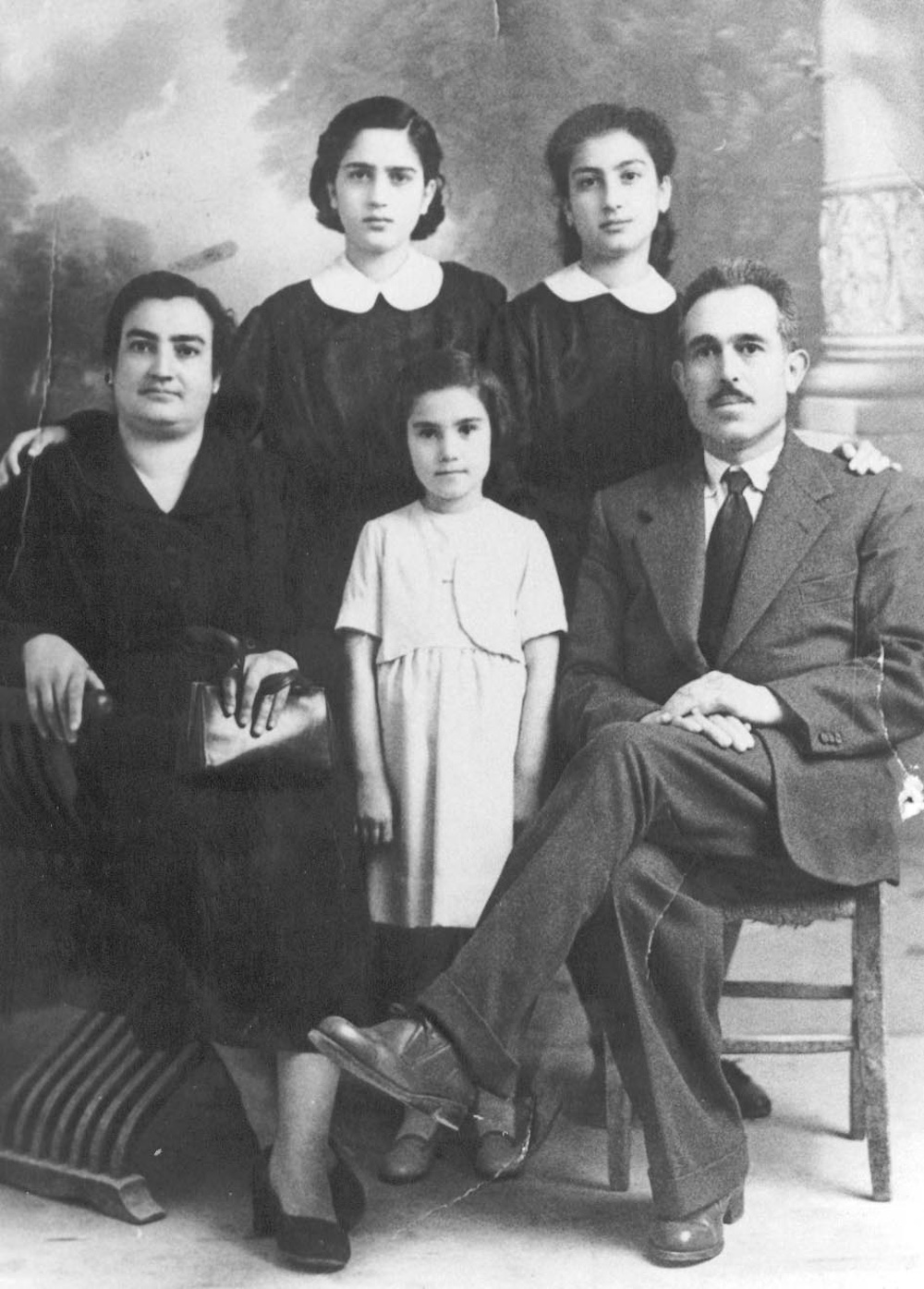
What truly inspired the project was our own family history.
Our grandfather Saverio, whose surname was Milione, often told us about waiting at the window of his home for his father to return from Argentina.
His father, Francesco, had traveled from Calabria to Buenos Aires in the early 1900s. He went to an area with a large community of Southern Italians and found work almost immediately. He was welcomed by the Italian Argentine community and decided to return to Calabria after about a month to bring the rest of his family back with him, including my grandfather Saverio.
But on the return journey, Francesco was traumatized by what he witnessed.
People died during the long voyage from hardship, illness, and disease. These journeys could take more than a month, and he saw the bodies of those who died being thrown into the open sea.
The experience affected him so deeply that when he returned to Calabria, he never set foot on a ship again.
His dreams and hopes for a new life in Argentina disappeared because of the trauma and fear he experienced on that return journey.
Your family also has a very different migration story connected to the United States.
(07:18)
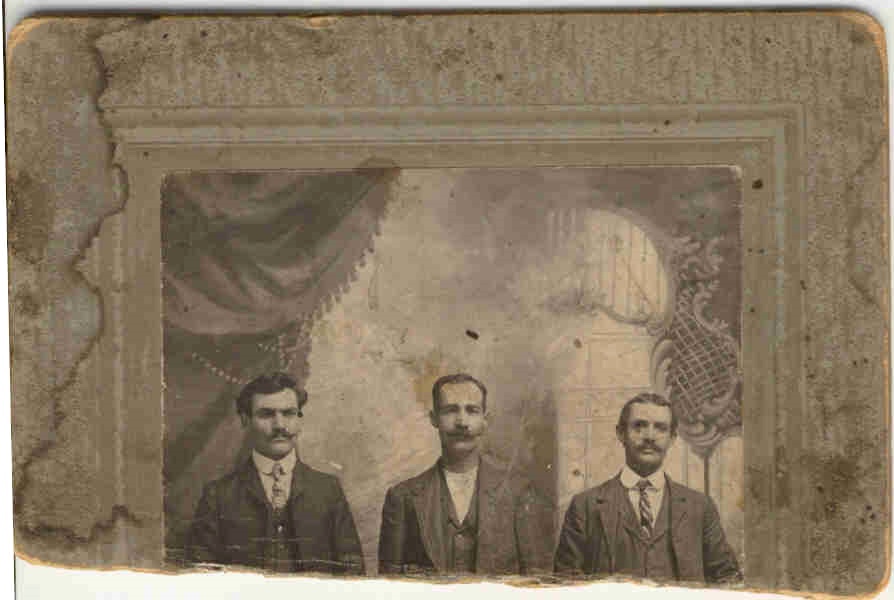
Yes. Other ancestors on my mother’s side emigrated to the United States. Their surname was Rizzo.
They left a small village in the province of Cosenza called Spezzano Grande, about 10 kilometers from the city of Cosenza. They arrived at Ellis Island in New York and then moved directly to Pennsylvania.
Unlike my grandfather’s family and their experience with Argentina, the Rizzo family was able to put down roots in the United States.
Many members of my grandmother’s family emigrated there and remained. Their descendants and subsequent generations stayed in the United States and continue to live in different states. Over time, members of the family moved for work or family reasons to places including Wisconsin, Michigan, and New York.
These two very different stories inspired us.
About 20 years ago, descendants of the Rizzo family contacted us almost by chance. They had come to Calabria to visit the places where their ancestors were born—Spezzano Grande and Cosenza.
That experience sparked our interest in this type of journey: roots tourism, genealogical tourism, and ancestral tourism.
In many ways, that was the driving force behind everything that followed.
What is We Are Paesani, and how does it help people research their Italian ancestry?
(10:30)
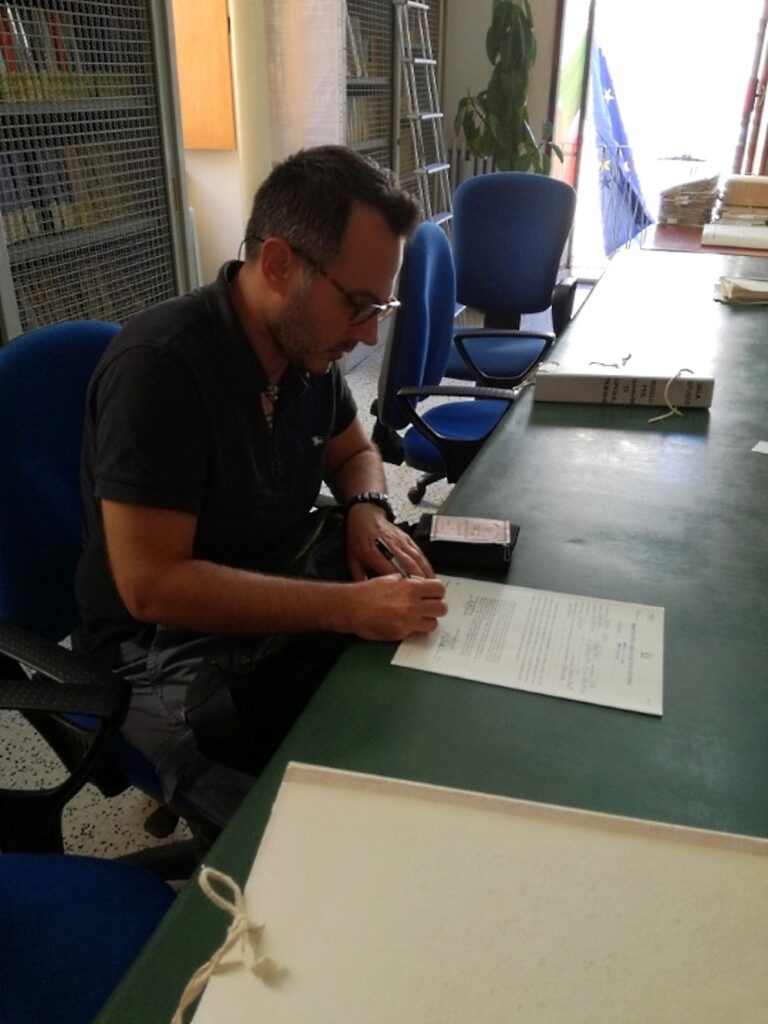
We Are Paesani is a project through which we try to help descendants of Italians who emigrated abroad rediscover their roots and their family history.
We created a free online archive at WeArePaesani.com.
It contains records of people born throughout the regions of Southern Italy, from Abruzzo to Sicily, primarily from the 1800s through the early 1900s.
People can register for free and search for an ancestor using information such as a surname, an estimated date of birth, or the town or municipality where they believe that person was born.
They can then search our database and see what results are available.
Our October theme is “Heritage: A Sense of Place.” What does a sense of place mean when someone is searching for their roots?
(13:14)
It’s a beautiful theme.
For me, the sense of place is everything.
After genealogical research has been done—perhaps remotely by an American descendant, sometimes with the help of a professional genealogist—the important thing is to visit the places themselves.
It completes the search for your past and your family history.
There is something special about visiting the villages where your ancestors were born and walking the streets where they once walked and lived.
You can enter the churches where your ancestors were baptized or married. Even places that are less commonly visited by tourists, such as the local cemetery, can add meaning to the experience. It is another way to honor your ancestors and the members of your family who are no longer here.
Connecting with the local community is also important—the dialect, the language, the expressions of that particular place.
Many descendants remember the language of grandparents who emigrated to the United States when they were young and continued speaking in dialect. They may remember individual words without ever having understood what they meant.
That is what a sense of place can provide.
It allows you to live an authentic experience. It is almost like returning to the past and understanding firsthand the everyday lives of your ancestors.
Why do you think descendants feel such a strong pull to return to Italy?
(17:29)
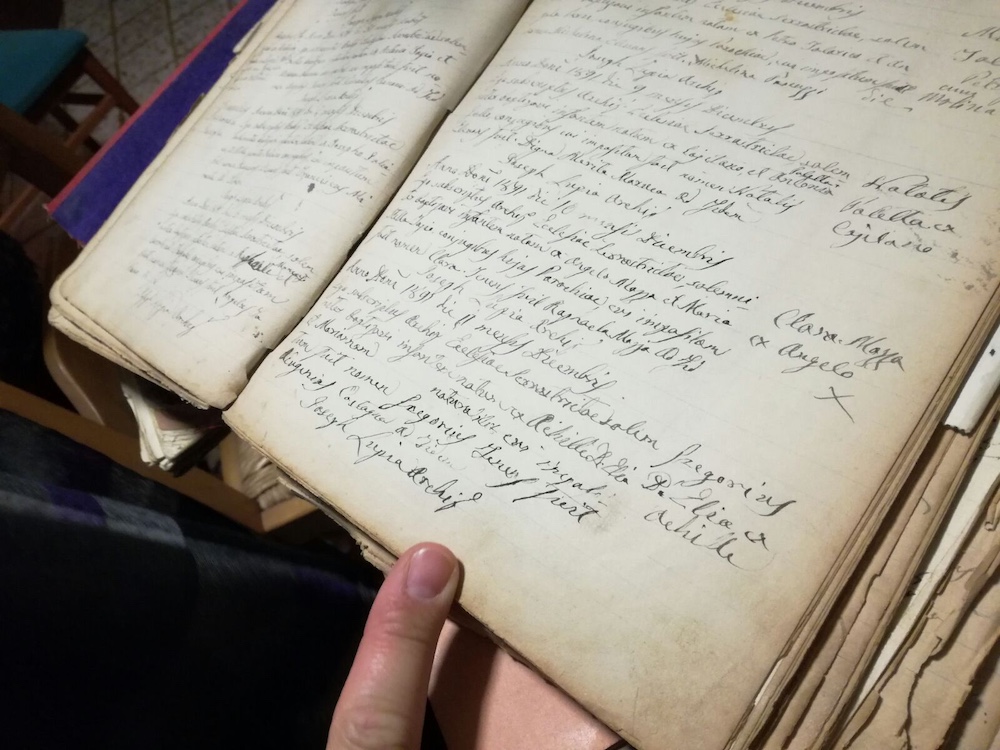
People return because I believe it is innate.
There is something within every human being that wants to return to, or continually search for, their roots—for something that helps complete their understanding of their own existence.
Even today in Calabria, we experience emigration. Young people leave for Northern Italy or other European countries such as Switzerland, Germany, the Netherlands, and the United Kingdom in search of better professional opportunities.
Talented young people leave to gain experience, but many still have the desire to return.
After accumulating professional experience and filling their “baggage” with what they have learned elsewhere, many want to return to Calabria and Southern Italy and put that experience to use here.
I believe that desire to return to where we come from is innate.
The same can be true for descendants of Italians who emigrated more than a century ago. There is still a desire to reconnect with their roots.
Does that desire to understand our ancestry become stronger as we get older?
(19:38)
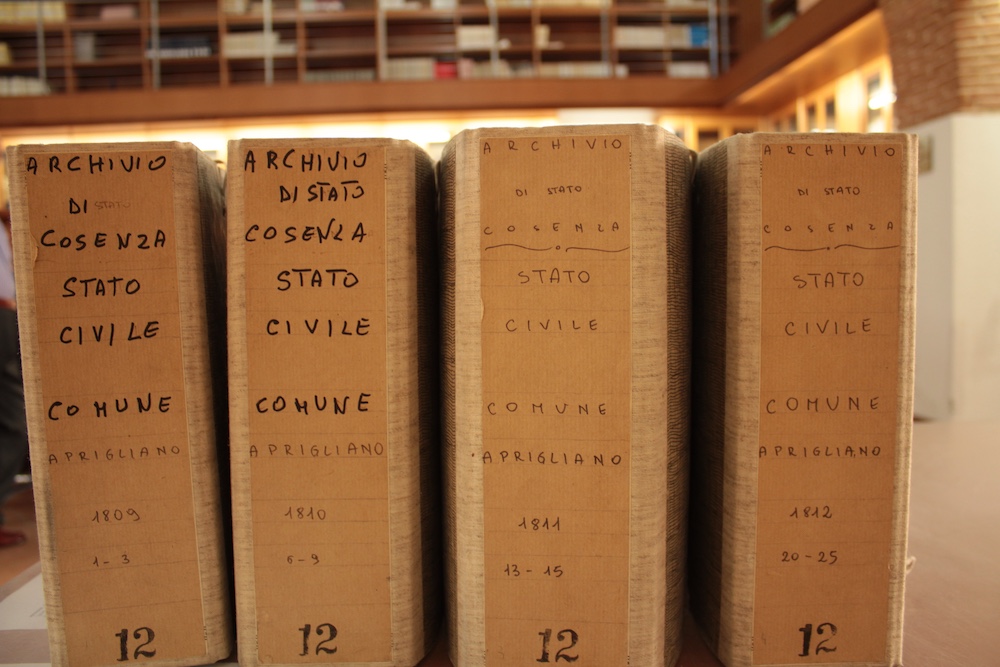
We have found that this desire often emerges later in life, frequently after the age of 50.
Perhaps it is because you have reached the midpoint of your life and feel an even stronger desire to reconnect with your family history and personally discover things that did not seem important before.
That was true for me as well. I began researching my own family history after I turned 40.
Before that, you are occupied with other things—your studies, your career, your life.
Then something shifts.
I see this particularly among people born and raised in places such as the United States or Australia who have Italian origins.
The connection remains strong because it is innate. It is part of your DNA.
There is this continual search for one’s roots.
You use a biblical passage about roots as one of the ideas behind your work. What does it mean to you?
(21:21)
One of our mottos comes from the Bible: you do not support the roots; the roots support you.
The idea is that we should not consider ourselves superior to what came before us—including our ancestors and our roots.
Our roots keep us grounded. They give us experience and wisdom.
New generations often consider their way of life better than the way people lived in the past. Eventually, we realize that this is not necessarily so.
We begin to rediscover what came before.
We can better understand and live the future only if we truly understand the past.
That applies not only to human history as a whole but also to the history of each individual.
It is important to understand where we come from and to have a solid foundation rooted in our own past—in what came before us.
Discover We Are Paesani
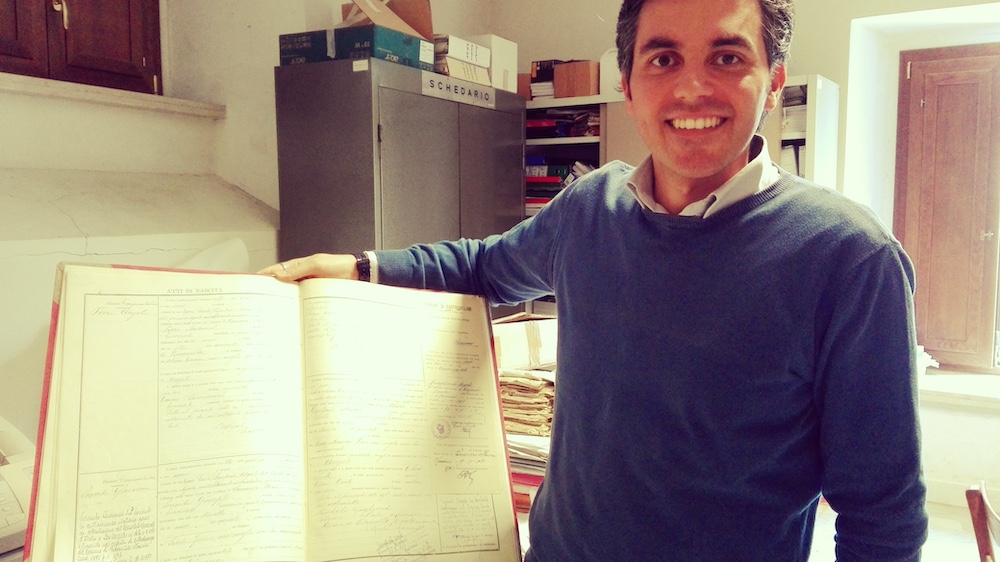
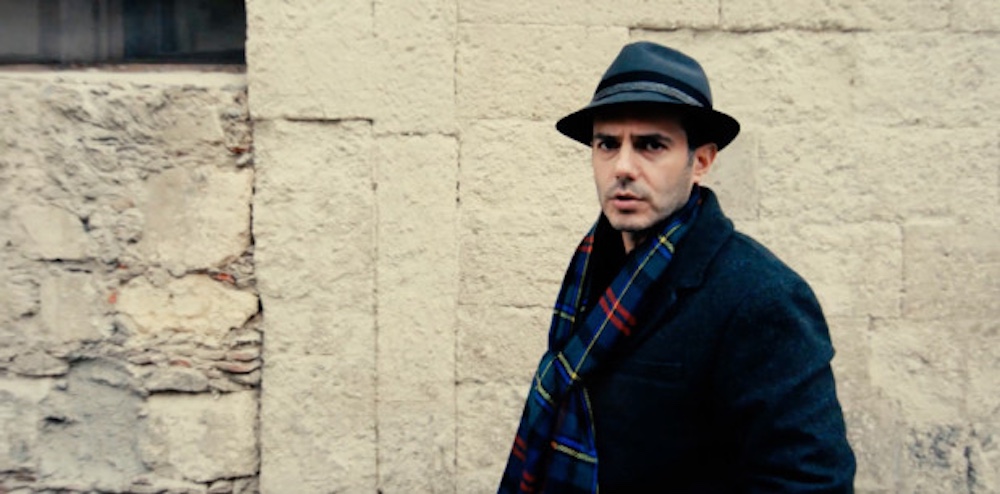
We Are Paesani was created by brothers Marco Toscano and Alessandro Mario Toscano as a digital genealogy project dedicated to the roots of Southern Italy. Its database covers Calabria, Sicily, Basilicata, Campania, Puglia, Molise, and Abruzzo, drawing on sources including civil records, state archives, parish registers, and court documents.
The project currently includes more than 100,000 indexed individuals and is free to search after registration. Its long-term goal is to index more than 10 million people.
Website: WeArePaesani.com
Follow: Facebook | Instagram | YouTube
All photos and video clips provided by We Are Paesani. ©