
Calabria is a region of contrasts. At the toe of Italy’s boot, its long coastline meets the Ionian and Tyrrhenian seas, while mountains, forests and small villages reveal a landscape rich in biodiversity and history. Ancient Greek influences remain part of its cultural identity, and traditions surrounding food, agriculture and wine have been passed down through generations.
For Paolo Librandi, Calabria is more than the place where he was born. It is part of his family’s history, his work and his understanding of the world.
A third-generation member of the Librandi wine family, Paolo grew up in Cirò, on Calabria’s Ionian coast, where his parents’ home was located within the winery property. Surrounded by vineyards and the rhythms of winemaking, he might have seemed destined for the family business. Instead, he chose to study philosophy at the University of Milan.
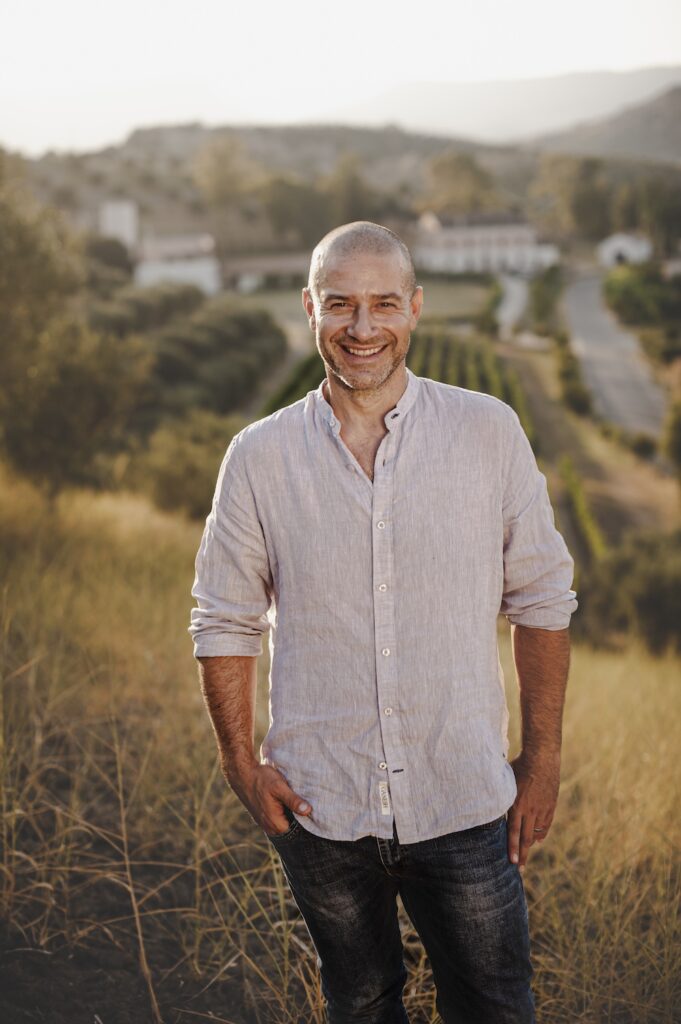
It was a decision his parents encouraged. They wanted their children to follow their interests rather than feel obligated to pursue the family profession. Paolo eventually returned to the winery, bringing with him an education that continues to influence how he approaches his work.
His story also reflects something larger about Librandi. What began with his grandfather Raffaele’s determination to build a future from a small parcel of land has grown into a family enterprise with six estates, an extensive research program dedicated to preserving Calabria’s indigenous grape varieties, and a commitment to the cultural life of the region.
For Paolo, wine is not simply an agricultural product. It belongs to a much broader conversation about history, geography, science, culture and the people who shape a place.
Yet his advice for enjoying it is refreshingly simple: forget the intimidation, trust your palate and drink what you enjoy.
Our Italy Answered conversation takes us from his family’s remarkable beginnings to the ancient vineyards of Cirò, the preservation of nearly 200 indigenous grape varieties, and the traditional dishes that make Calabrian wine part of everyday life.
Along the way, Paolo introduces a Calabria that rewards curiosity—a region where the journey itself, the people you meet and the traditions you discover can be as memorable as the destination.
Watch or listen to our full conversation on Italy Answered while following along with this lightly edited transcript.
Tell us about yourself. Where were you born and raised? (01:26)
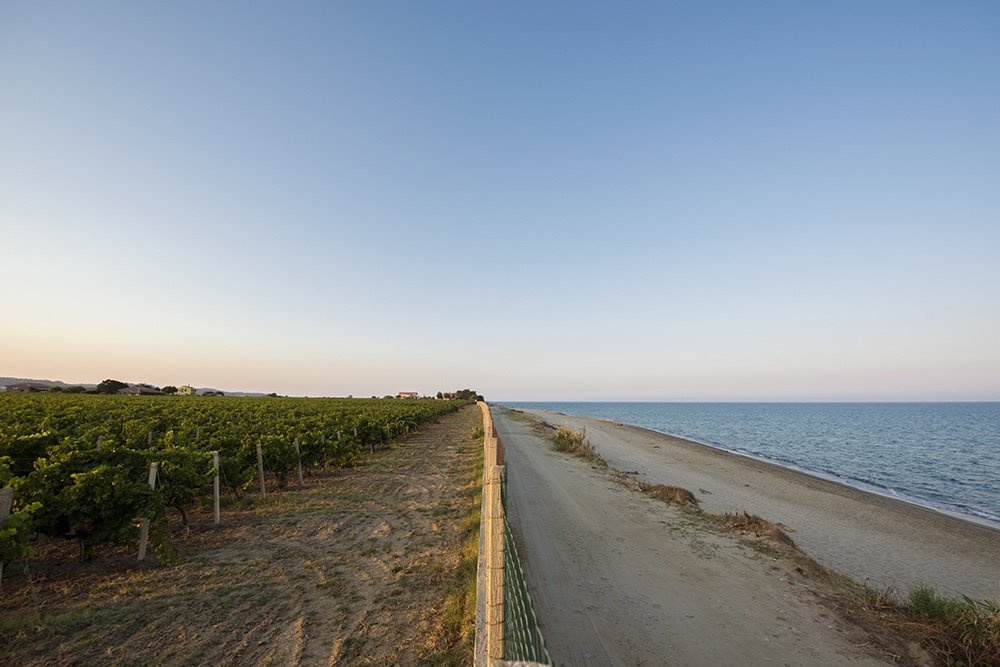
I was born and raised here in Cirò. Cirò is a small town on the Ionian coast, in the province of Crotone, on the eastern side of Calabria.
Calabria has approximately 500 miles of coastline and crystal-clear water. It’s a sort of small Italy inside Italy. That’s how I like to see it, because the biodiversity is crazy.
There’s a long coastline, and then in the middle, it’s all mountains, pretty high mountains. In just a little over an hour’s drive, you can go from Cirò Marina up to the Sila Mountains and find amazing porcini mushrooms, for example.
So Calabria is a land of biodiversity.
I was born and raised here, except for six years when I lived in Milan during my university studies.
You studied philosophy. How did that connect you back to wine? (03:01)
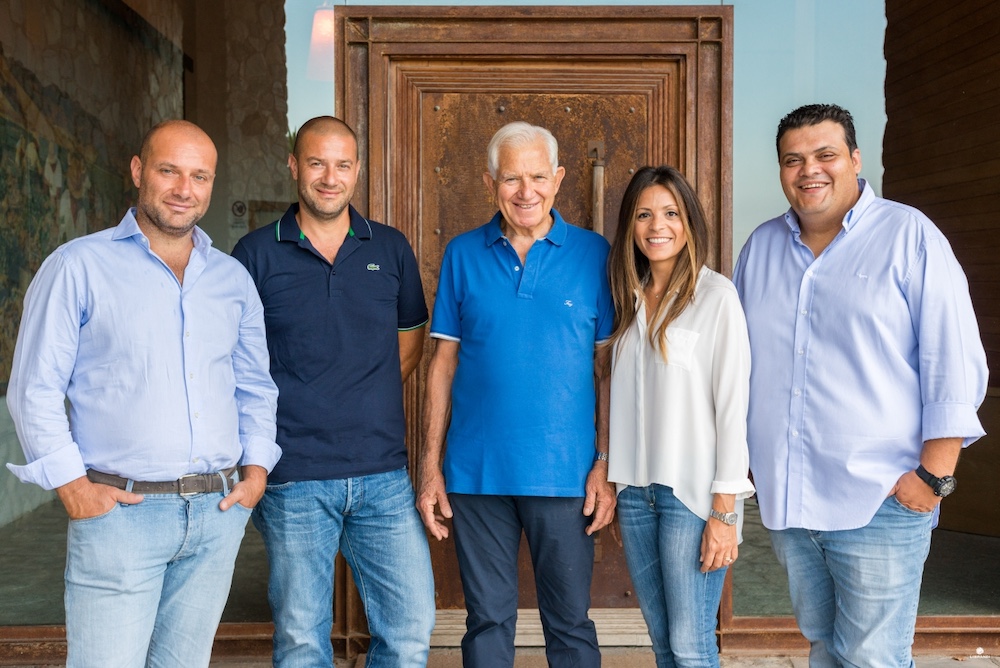
You have to think that my parents’ house is inside the winery property, so I was always surrounded by a wine and grapes atmosphere.
But my family never really pushed me to study wine, winemaking, agronomy or things like that.
I was very lucky because my parents just wanted my brother and me to be happy, and they let us study whatever we wanted.
Curious about many different subjects, I eventually chose philosophy, which seemed to offer the most complete foundation for developing as a person before becoming a businessman or pursuing any other profession.
When I was a kid, I had also thought about working at a university. I started down that path as well.
But as I told you before, I was very curious, so I was always experiencing other things. I traveled with my dad, helped with the winery and was curious about that, too.
After graduating in philosophy, I attended a master’s program at the University of Milan focused on the wine business. It’s a specific program for people who are part of wine families.
So I also studied wine business, agronomy, enology and everything related to that.
But philosophy was very important to me, and I really applied it to every single aspect of my future job at the winery. It helped me a lot, and I was very happy with that choice.
Your family has been making wine for three generations, and today Librandi has six estates. Tell us about your family’s history. (04:56)
The history of my family in the wine business starts with my grandfather Raffaele.
He was the tenth of ten children, and he was only one and a half years old when my great-grandfather died. So he really started from scratch.
My grandfather was a very smart entrepreneur, especially for his time. A hard worker with interesting ideas, he quickly organized a team to work in other people’s vineyards. Eventually, he saved enough money to purchase his first piece of land. We still have the documents from that purchase.
He was also among the first in the area to learn how to graft vines and worked with the agricultural ministry to teach these techniques to people in communities around Cirò, earning additional income along the way.
His expertise extended beyond vineyards to estimating the production of citrus fields and olive groves, helping buyers assess the value of crops still growing on the plants.
So he did many things. As I said, he was a very hard worker.
Little by little, he collected enough money to build a small winery. That’s when my uncle Antonio, his first son, started working with him.
They began bottling wines in 1953—the classic Cirò Bianco, Rosso and Rosato.
That’s when our winery started as a modern winery, bottling, labeling and selling wine.
My grandfather’s dream was to collect at least six hectares because he had six children, and he wanted to leave one hectare to each of them.
The last two children, my dad Nicodemo and another uncle of mine, Francesco, were able to attend university, so they were a little luckier than the first four.
From Family Roots to a Growing Wine Legacy
My dad became a mathematics professor, and my uncle became a pharmacist.
My dad started teaching, but he was always helping my grandfather and my uncle Antonio in the wine business, and he developed a passion for it very early.
At one point, he bought a pharmacy with my other uncle. Then he sold the pharmacy, invested the money in the winery and joined my uncle Antonio.
My grandfather Raffaele had retired by then.
We’re talking about 1974, and from that point, the winery really started to grow.
We were the first in the area to hire a professional enologist, Severino Garofano.
Then our history became a little more complex because the winery grew a lot. We started selling in the big cities in Italy, and little by little we began exporting—Switzerland and Germany first.
We continued growing and started buying more land because the winery was selling very well, and we didn’t have enough grapes from our original vineyards.
So we bought the Arcidiaconato estate and then, little by little, the others, until we arrived at the six estates we have today.
We have vineyards, olive groves and woodland.
Gaglioppo is probably Calabria’s most famous indigenous grape. What makes it so important to the region? (09:12)
Gaglioppo is definitely the most famous grape we have.
To say Gaglioppo in Calabria is like saying Sangiovese in Tuscany or Nebbiolo in Piedmont.
It’s our main grape, and it’s the base of our Cirò Rosato and Cirò Rosso.
But the history of winemaking in Calabria is very complex and goes back approximately 25 centuries.
When the Greek colonies arrived in Calabria, creating what later became known as Magna Graecia, they found that the local population was already making wine.
People were producing grapes in a very simple way, using bush training.
What the Greeks brought were mainly their varieties and their training systems.
What we still do with Gaglioppo today, the alberello system, is a form of bush training. It’s like a small tree, with a little trunk and three main branches.
That system was brought by the Greeks.
How Calabria’s Indigenous Grapes Evolved
But they were also traveling with seeds. When you plant a seed, you have genetic variation. You don’t get exactly the same plant as the mother plant. That’s what you get through grafting.
With seeds, you have genetic variation.
So when people started planting seeds 25 centuries ago, and the local varieties began breeding with the Greek varieties, we created an enormous number of varieties.
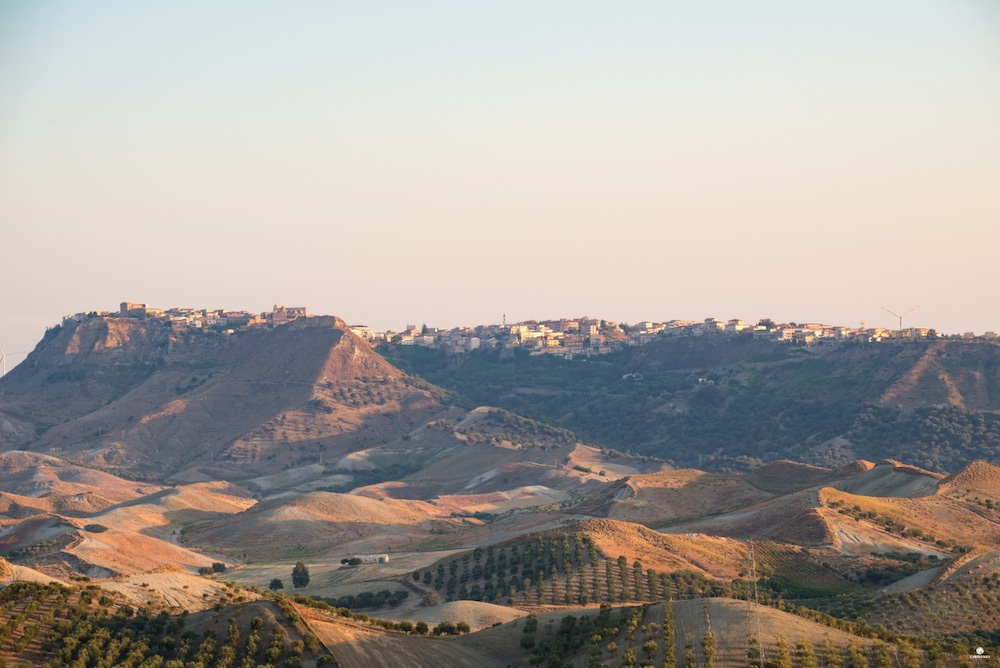
Calabria also has a very diverse territory, with different soils and microclimates.
Viticulture was practiced all over the region—by the sea, on the hills and very close to the mountains.
Every community started developing certain varieties because they performed better in particular conditions.
Over time, our history created the conditions for an extraordinary number of grape varieties to develop.
Until about 30 or 40 years ago, the wine culture here was such that growers mixed many varieties, even in very small vineyards.
We found very old vineyards with perhaps 2,000 plants and 25 different varieties.
The growers were convinced that the more varieties they mixed, the better the wine would be.
Preserving Calabria’s Indigenous Grapes for Future Generations
Starting from this knowledge, my dad began a research program at the end of the 1990s, together with Professor Attilio Scienza.
The idea was to collect all the indigenous varieties they could find and bring them to our Rosaneti estate, our largest estate, to begin studying them with the most important research centers in Italy.
We collected approximately 200 native varieties.
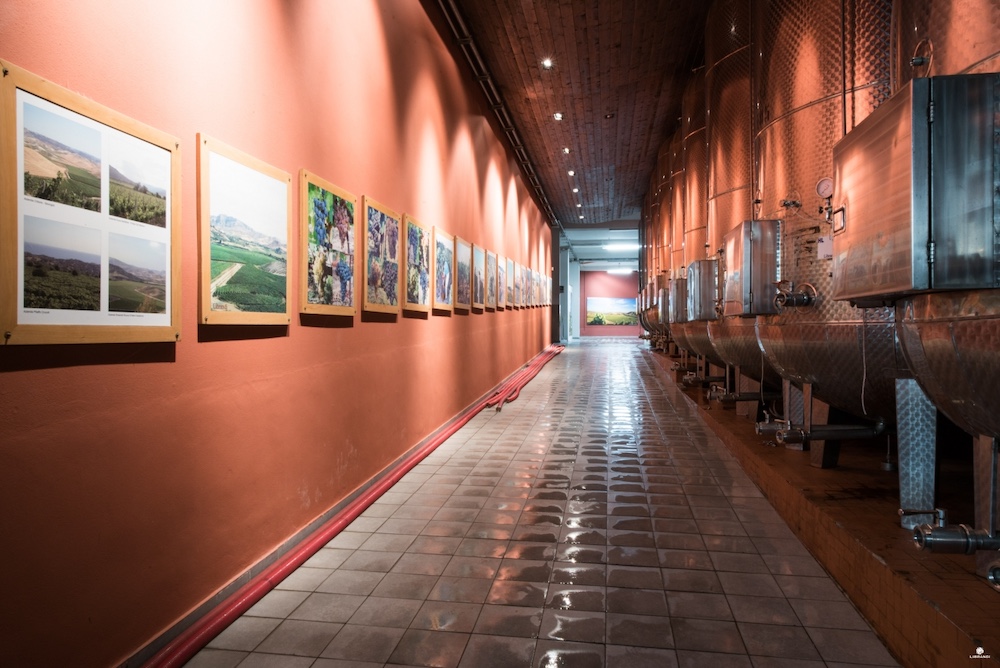
They’re all still there today in a spiral-shaped vineyard that you can see on our website. It’s become a symbol for us.
That was the genetic and biological foundation for creating eight additional experimental vineyards, each with a specific scientific purpose.
We involved the University of Milan at the beginning, with Professor Attilio Scienza, and then the University of Turin with Donato Lanati for the enological side of the research.
We also worked with the National Research Council in Turin for ampelographic and virological studies, the institute at San Michele all’Adige for genetics, and the research center at Conegliano Veneto.
The genetic studies were especially important because they allowed us to study the DNA of these varieties.
Another part of the research studied the interaction between 20 different rootstocks and a single clone of Gaglioppo.
Through the years, we published eight scientific papers.
We created scientific literature on Calabrian grape varieties that had previously been missing.
But most importantly, we registered the first official clones of Gaglioppo, our main variety, as well as clones of Magliocco and Pecorello.
Now, every grower who wants to plant a new vineyard can rely on scientific literature and data to choose the best rootstocks for their soil and the most suitable clones.
For example, they can choose the best Gaglioppo clones for a vineyard in Cirò.
It was a big, big step.
You’ve said that we need to make wine easier to understand. How can people enjoy wine without feeling intimidated? (14:47)
It’s a tough question.
It’s actually something the wine industry has been struggling with in recent years.
In my opinion, we have to go back to the origins, taste wines with an open mind and start with what we like and what we don’t like.
Then we can begin noticing the differences between wines coming from certain areas and wines coming from others.
We can try to educate our palate to recognize those differences.
But we have to go back to a more natural relationship with wine.
Some people are becoming more and more intimidated.
It’s as though you’re sitting at a table, and somebody knows a lot about wine. Then everybody else doesn’t know what to drink or what to order because they don’t want to look bad in front of someone with greater knowledge.
And most of the time, that knowledge is also questionable!
We need to be a little more natural in our approach to wine.
Just drink what we like and enjoy it with the food we like, without necessarily following the rules that very technical sommeliers might suggest.
If people enjoy a nice glass of red wine with a fish recipe, it’s okay if they do.
Let’s discover Calabria through the table. Which three Calabrian wines would you pair with regional dishes? (17:17)
If you travel to Calabria, you can drink very well, whether you choose white wines, rosé or reds.
But for me, the first experience is rosé.
Rosé is the number one wine in Calabria by consumption volume. It’s what a true Calabrian drinks on a daily basis.
If you visit us in Cirò, I would suggest trying one of our local recipes with octopus.
It’s pan-seared octopus with local peppers, perhaps a little spicy, and a glass of very cold rosé.
It’s a perfect food pairing.
If we move to antipasti, for example, you can have a very good Cirò Bianco, made from Greco Bianco grapes.
These wines are slightly salty, very refreshing and flavorful.
You can enjoy one with fried mullet, which is very common here and amazingly good.
For reds, I would suggest a Cirò Rosso Riserva.
When we talk about meat recipes, our most traditional dishes are made with pork.
So I would suggest a pork spezzatino with Duca Sanfelice..
What can visitors experience at Librandi, whether they have a few hours or an entire day? (20:00)
First of all, besides the visit you can do with us, you have to know that when you go to Calabria, you have an authentic experience.
Calabria, except for some very limited areas, is very authentic.
You get the real thing. You get it as it is, good and bad.
There aren’t things prepared exactly for the tourist.
In Calabria, you have a real feeling of the place.
We are very warm and welcoming.
The other thing is that Calabria is for adventurous travelers.
Transportation and connections aren’t always very easy. There are airports, of course, but when you go from one place to another, you can’t imagine four-lane highways like in other areas.
It might be a little more adventurous, but it’s completely worth it.
A Day at Librandi: Beyond the Wine Tasting
If you come to visit us, we’re investing a lot in all our reception activities because we think we have a lot to offer.
We’re always open to visits, including during harvest time.
There’s no period when Librandi says we don’t accept visitors.
You can do several things.
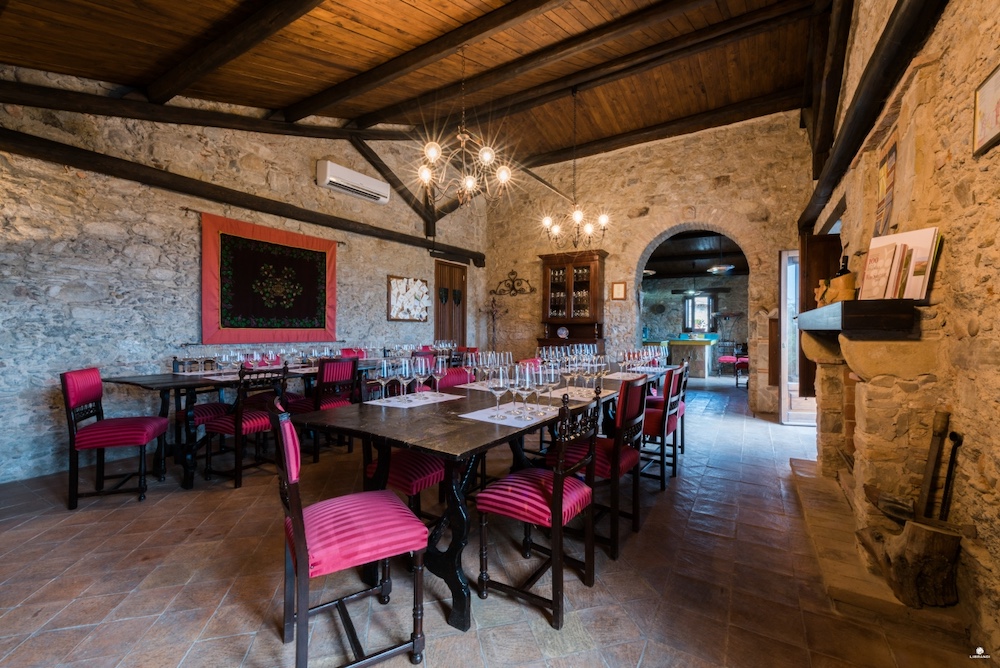
For example, you can stop by the winery, have a winery tour and enjoy a nice tasting with people who are very well prepared and knowledgeable about wine.
Or you can spend an entire day with Librandi.
That’s something we offer for small groups of at least ten people.
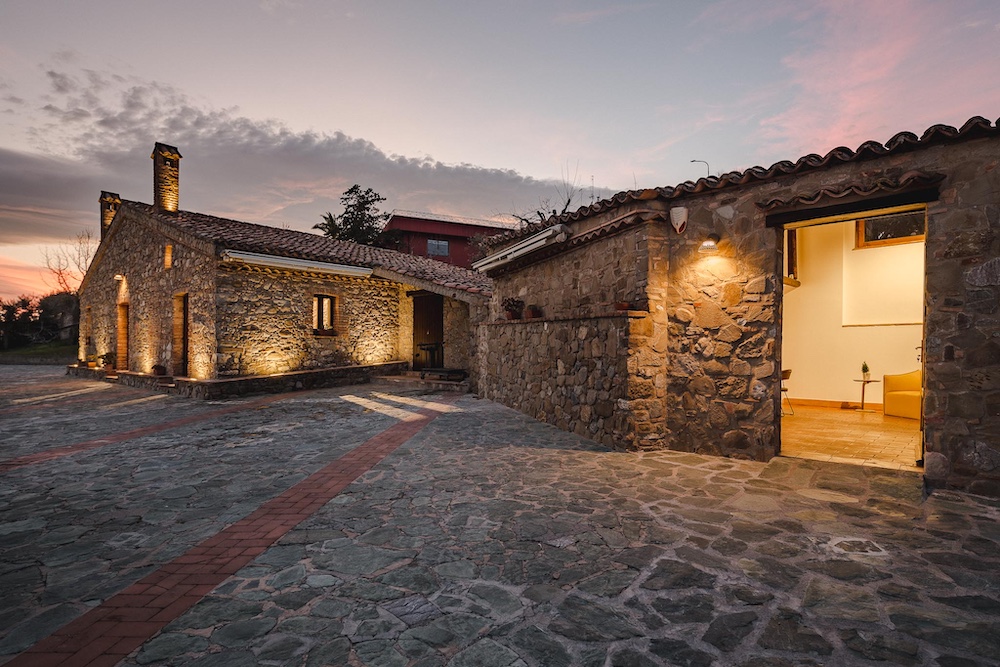
The full-day experience includes a winery tour, a visit to the experimental vineyards and a stop at our Rosaneti estate, home to the Museum of Agriculture and Viticulture.
It’s very interesting, in my opinion.
You can also have a complete wine tasting there, paired with local food.
Normally, the day starts around ten in the morning. You visit the winery and then travel about 25 minutes to the Rosaneti estate.
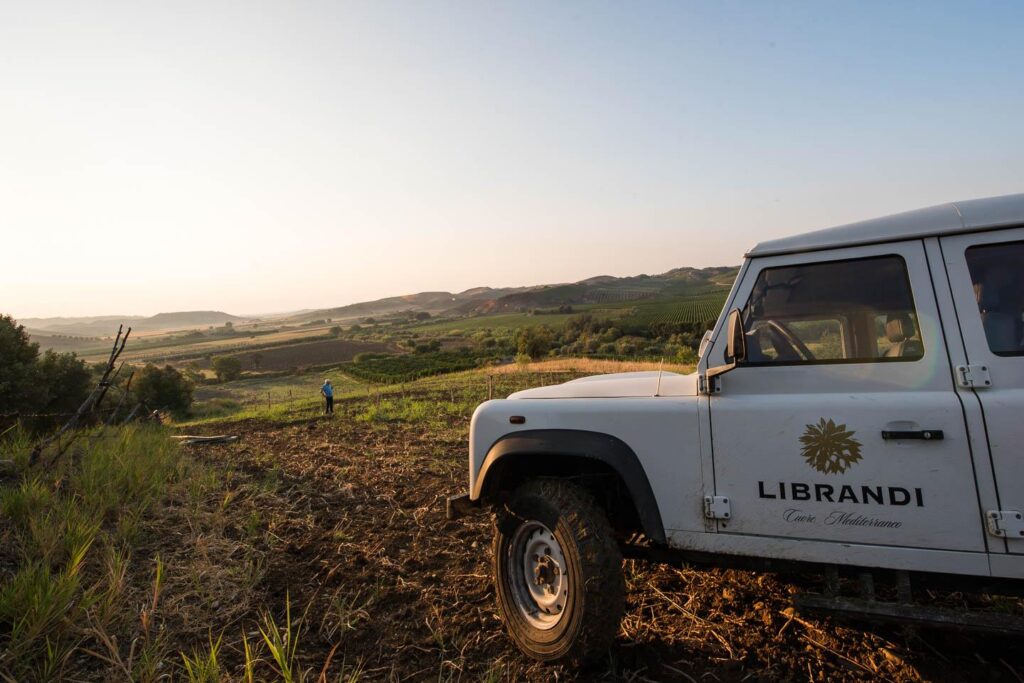
You tour the museum, have the tasting, eat something and then explore the vineyards in off-road vehicles.
It’s very fun, and you really get an idea of what Calabria is.
Rosaneti is only eight kilometers from the seashore in a straight line.
From there, you can see the Sila Mountains and all the little towns of Calabria that form a sort of crown around the estate.
You really understand the true spirit of Calabria.
Librandi also has a museum and supports cultural activities. Tell us about that connection to the arts and the community. (23:33)
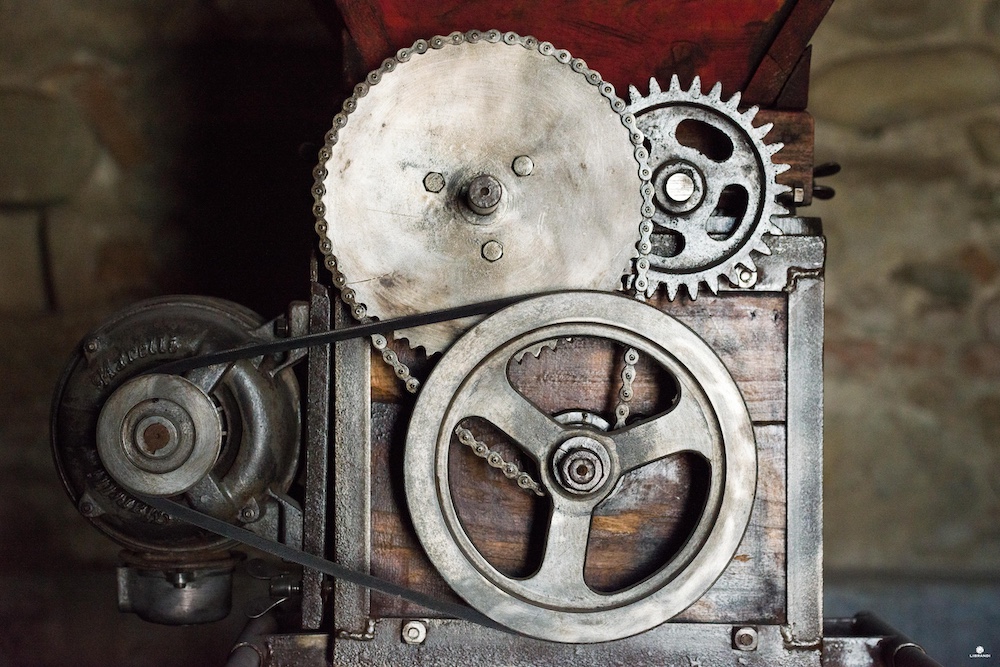
Where the museum is located, we’ve created a sort of small cultural center.
We invite authors to present their new books and host exhibitions featuring photography, painting and other art forms. We also make the space available to young artists and other cultural figures.
If you visit, you’ll see a display of the meetings and events we’ve organized over the years.
We offer our connections to these people.
We invite journalists and others who might be interested in the cultural events, and we help create connections.
For example, we can connect a writer presenting a new book with potential readers.
We do this for free.
It’s a way to contribute to the cultural growth of the territory.
Discovering Calabria, One Glass at a Time
For wine lovers, Calabria offers something particularly appealing: the opportunity to discover a region where centuries of winemaking tradition remain closely connected to everyday life.
A visit to Librandi is more than a winery tour. It’s an invitation to explore a landscape that stretches from the Ionian coast to the Sila Mountains, where indigenous grapes, regional cuisine and family traditions tell the story of a place.
Whether enjoying a chilled Cirò Rosato with freshly prepared seafood or exploring vineyards surrounded by hilltop villages, travelers can experience Calabria through its flavors and the people who preserve them.
Perhaps that’s the beauty of discovering a wine region like Calabria. You arrive curious about what’s in the glass and leave wanting to know more about the place it came from.
Learn More About Librandi
Explore Librandi’s six estates, wines, vineyard research, cultural initiatives and visitor experiences at librandi.it.
Author