For the June edition of Live in Italy Magazine and our special theme, Heritage: A Sense of Place, we spotlight stories that explore identity, belonging, and the different ways people build meaningful lives connected to Italy.
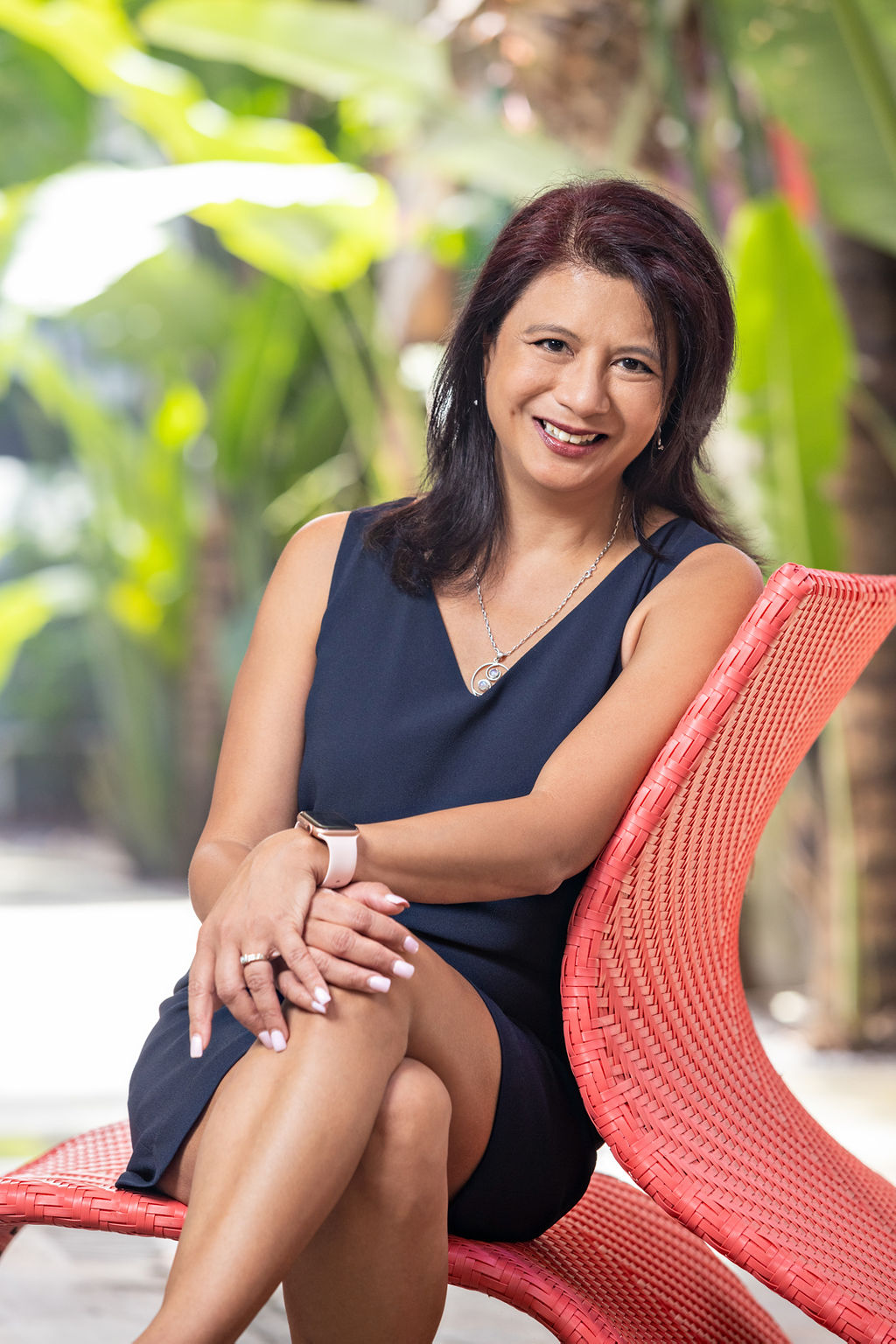
In this edition of Chat with an Expat, I spoke with Charlotte Fortier-Mutzl, the creator behind American Mom in the Med, a Canadian-born entrepreneur and content creator now raising her family in Sardegna (Sardinia).
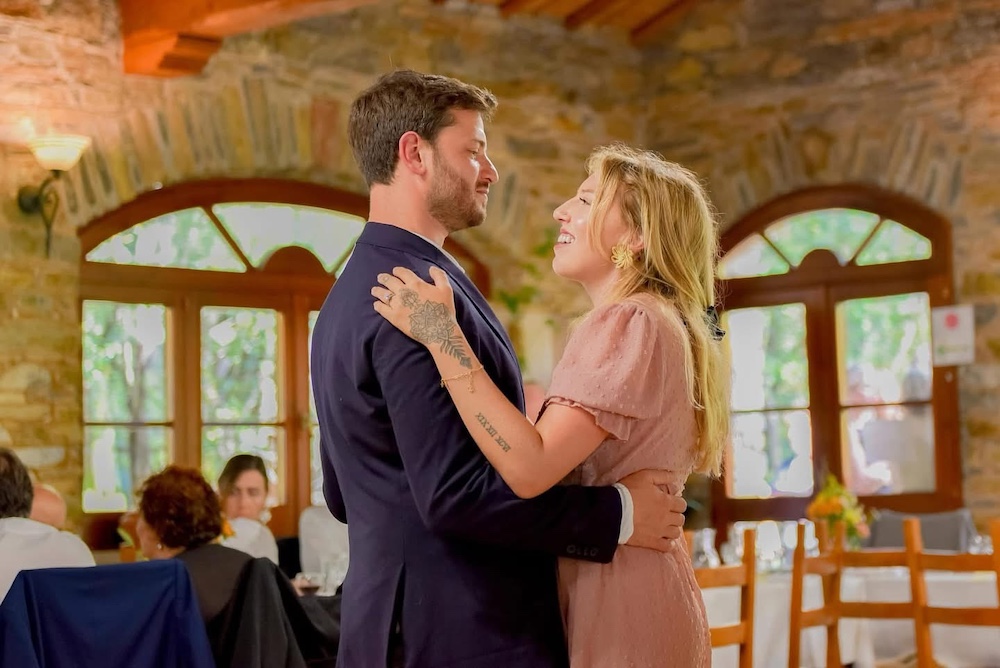
Although Charlotte is not of Italian descent, her story reflects a growing movement of people who are choosing Italy not only as a travel destination, but as a place to build a slower and more intentional life. What began as a solo backpacking trip through Europe eventually led her to Rome, where she met her husband before later relocating to Sardegna to raise their children surrounded by nature, community, and the sea.
Our conversation touches on moving from Canada to Italy, bilingual family life, entrepreneurship, Blue Zone living, and what it means to create a sense of home abroad.
You can listen to the full conversation on Italy Answered while following along with this edited transcript on Spotify, Apple Podcasts, or YouTube.
Where were you born and raised? (02:23)
I was born in Montreal, and I was raised in Quebec City, actually in a small village called Saint-Croix right outside of the city of Quebec.
I lived there until I was about 12 years old. My family moved to Florida because my brother was doing motocross racing at the time.
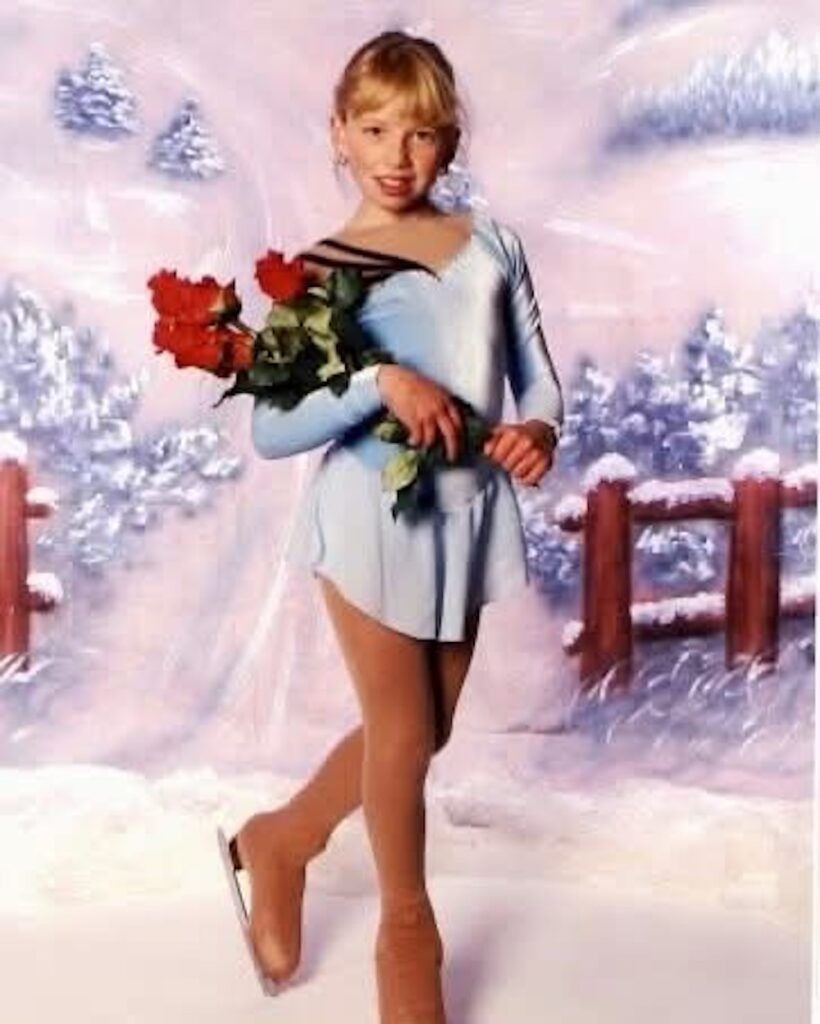
At first, I was not excited about the move because I was a figure skater and was training very intensely. I didn’t want to leave my friends or give that up, but eventually I got used to it.
Later, while I was still in high school, I moved back to Canada on my own to finish school while working at night. So from a young age, I was supporting myself and growing up quickly.
What first brought you to Italy? (04:34)
That happened about eight years ago when I was living in California with my first husband.
I ended up leaving because the relationship became toxic and abusive, and I wanted to escape. I sold my car and my belongings and bought a one-way ticket to Paris because I knew I wanted to see more of the world.
I traveled through seven countries in Europe over the span of a few months, but Italy really stayed with me. I loved the architecture, the nature, and the warmth of the people, especially in Rome.
After spending time in Barcelona completing a yoga teaching certification, I moved to Rome completely alone without knowing a single person.
That’s really where my Italian adventure began.
How did you build a life for yourself in Rome? (06:08)
When I moved there, I only had maybe two months of rent saved, so I knew I would have to hustle and figure things out quickly.
I had a Canadian working holiday visa, which allowed me to live and work in Italy for a year, but I didn’t speak Italian, so I kept getting turned away from jobs.
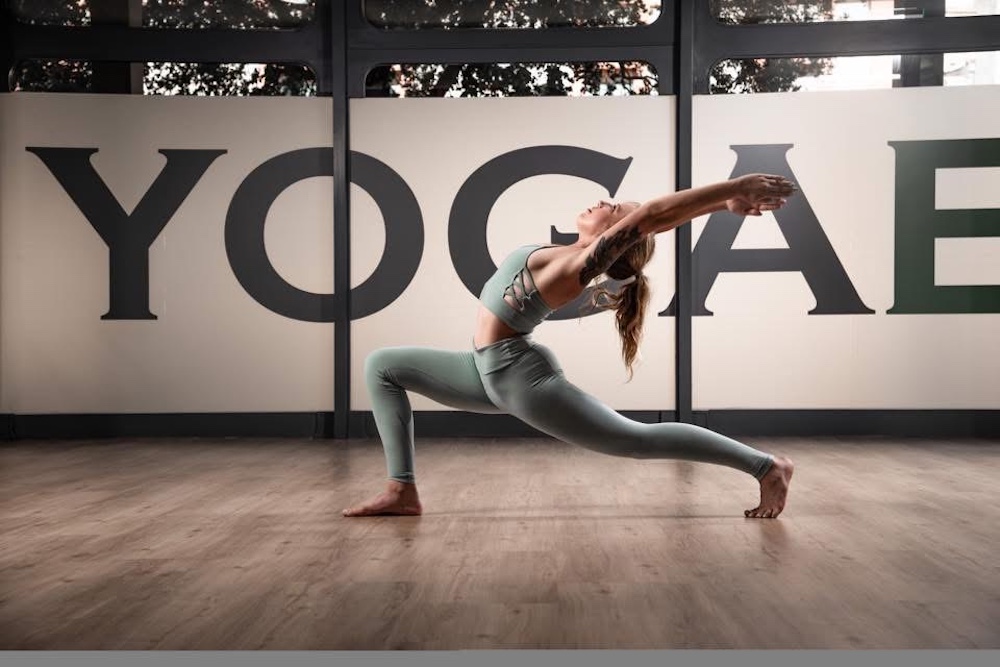
Eventually, I started teaching donation-based yoga classes in Rome’s parks. I created a Facebook group and advertised the classes in expat groups around the city.
Very quickly, the group grew to hundreds of people, and I started getting enough students to support myself.
Later, one of my students helped me get a job at a bar. Then I interviewed for another bar near the Vatican, and the man interviewing me became my husband.
It was pretty much love at first sight.
Tell us about your husband and your relationship. (09:25)
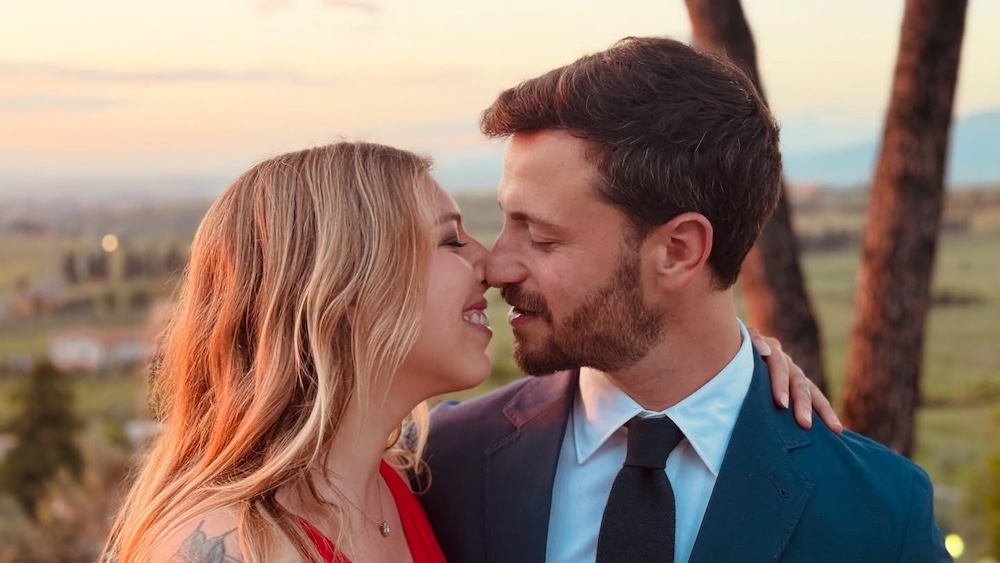
My husband, Ari, is actually from New York. His mom is from Rome and his father is from Buenos Aires, Argentina.
He grew up between New York and Rome, and his mother always wanted him to speak Italian and stay connected to Italy. So when he turned 18, he decided to move to Italy permanently.
Shortly after we met, I was supposed to return to Canada for the summer to visit family and friends, and he asked if he could come with me.
It felt very spontaneous at the time, but that trip really created the foundation of our relationship. When we returned to Rome, we found an apartment together and moved in together.
Almost a year later, I was pregnant with our son.
What led you to leave Rome and move to Sardegna? (13:25)
Living in Rome during Covid became extremely stressful for us.
We had opened a Mexican restaurant together only two months before Covid started, and suddenly everything shut down. At the same time, I was pregnant and struggling with city life.
Growing up on a farm and then living in Florida, I realized that I needed nature around me. I told my husband that I really wanted to raise our children somewhere calmer and healthier.
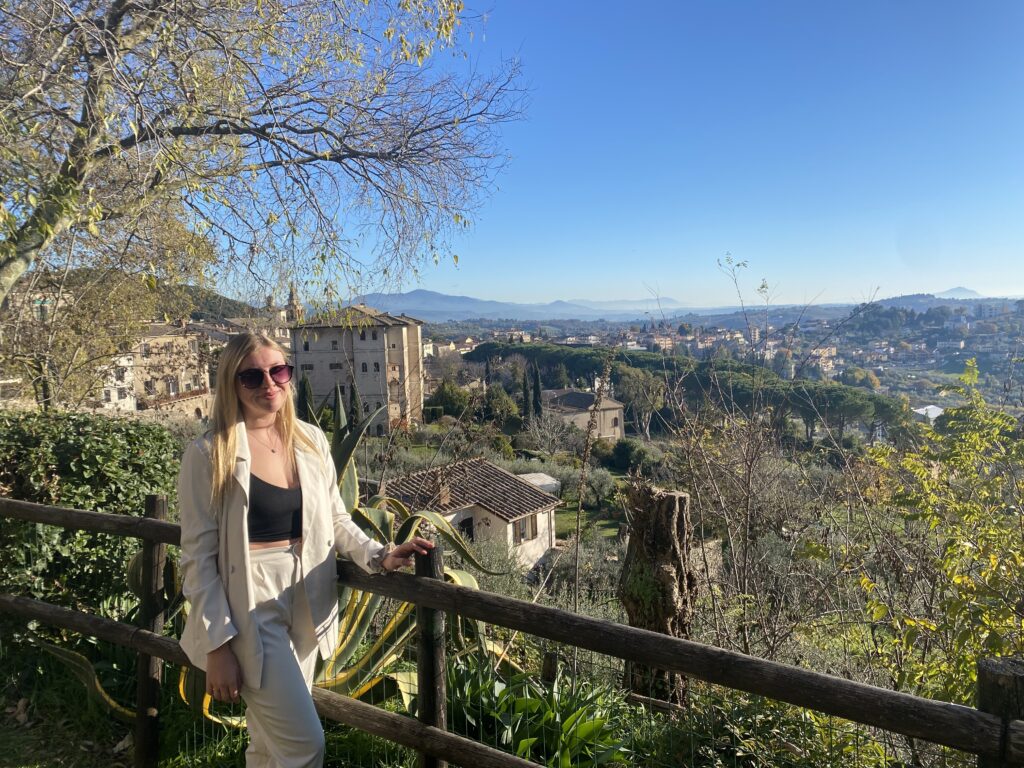
At first, we moved to Umbria and stayed in an agriturismo while looking for property, but one cold day I looked at my husband and said, “What are we doing? I think we need to be near the beach.”
That same evening, I started researching the warmest places in Italy with surfing and scuba diving nearby, and somehow I discovered Sardegna.
Neither of us had ever even been there before.
You moved to Sardegna without visiting first? (15:37)
Yes. My husband thought I was crazy.
I found our house on Immobiliare.it before ever seeing it in person, and eventually we packed our entire life into the car — suitcases, boxes, pets, everything — and took the ferry over for the first time ready to start over.
What surprised you most about Sardegna? (17:56)
A lot of people associate Sardegna with yachts and luxury tourism, but that’s really only a small part of the island.
Most of Sardegna feels very untouched and connected to nature. There are villages where sheep still block the roads. There are mountains, caves, archaeological sites, forests, and beaches that remain almost empty most of the year.
The island has such a deep identity and history. People were building advanced structures here before the Roman Empire.
Living here gave me a huge appreciation for Sardinian traditions and culture, and that’s part of why I share so much about the island online now. I want people to understand that Sardegna is much more than beautiful beaches.
How has life in Sardegna changed your perspective on raising a family? (22:47)
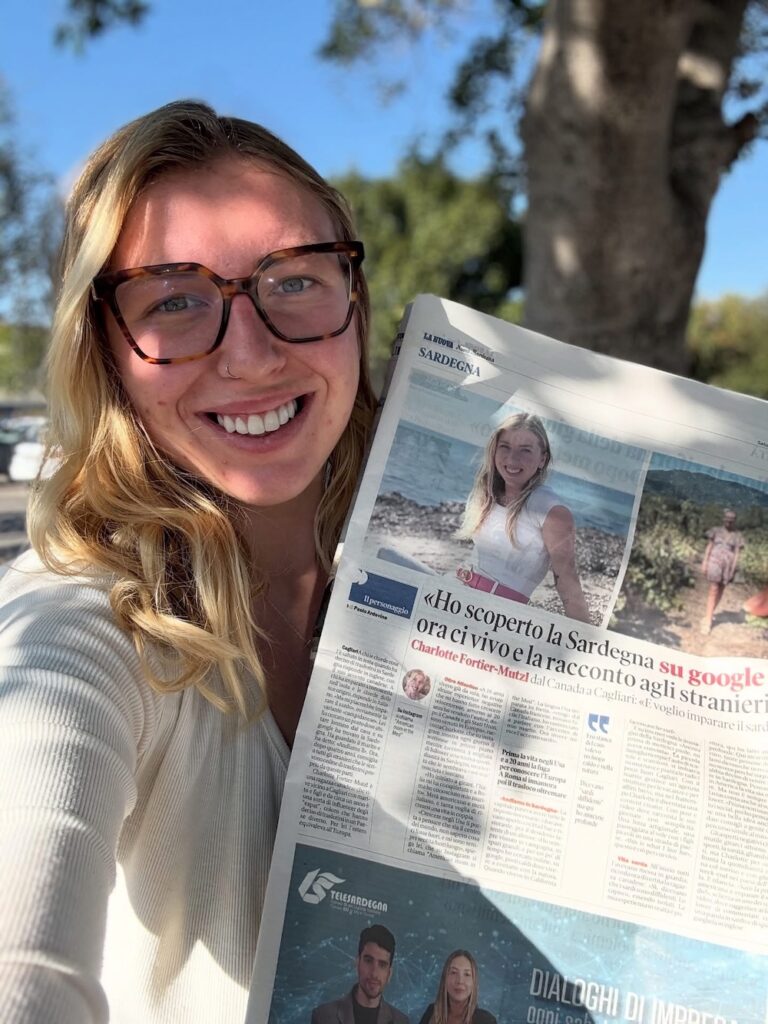
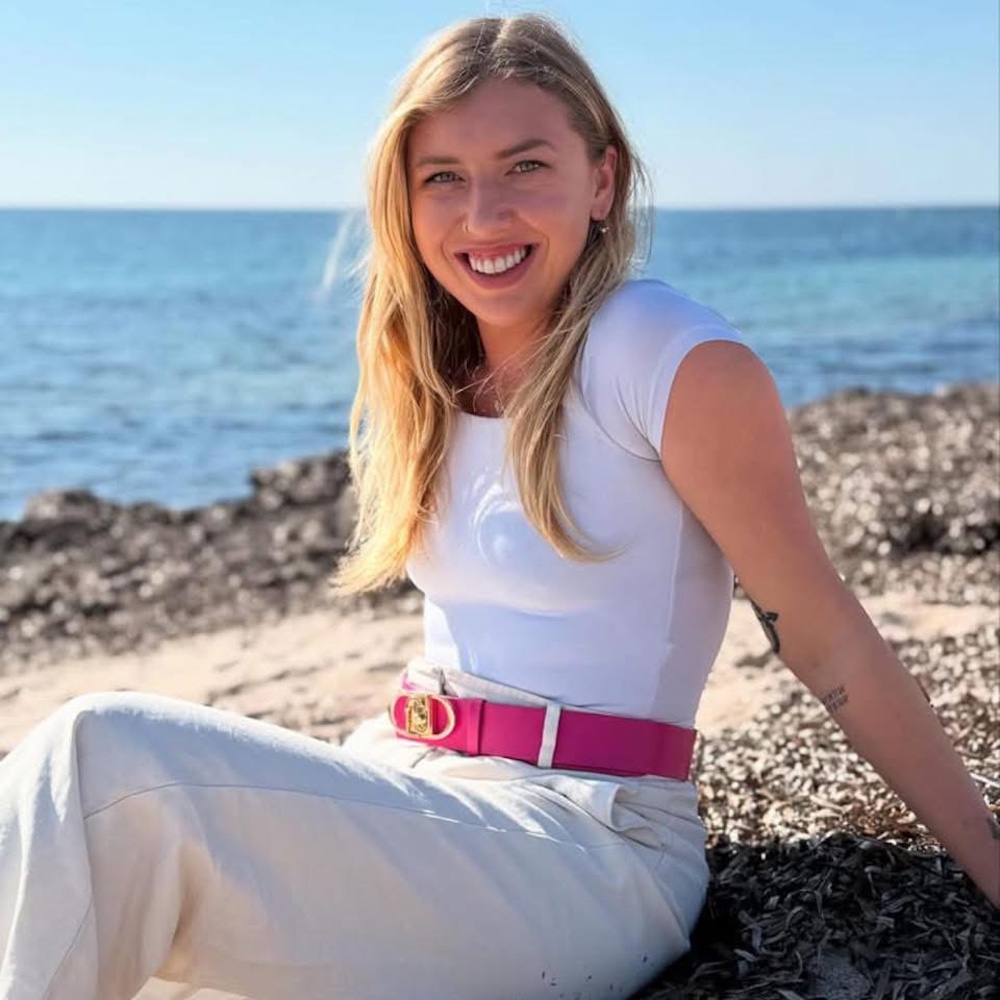
One of the biggest things I notice here is the slower pace of life and the strong sense of community.
In the villages, you constantly see grandparents involved in everyday life, picking up children from school or spending time together in the piazza.
Our children are very happy here. Every weekend we go on a different adventure, whether it’s a beach, a national park, or a small village.
I also think there’s far less stress here, and I believe that plays a huge role in overall well-being. That slower rhythm was something I really wanted for our family.
How many languages are spoken in your household? (26:32)
We mostly speak English at home.
My first language is French, so I try to pass that on to the children as much as possible. We also have an au pair from Quebec who comes during the summers and helps them practice French.
I speak French, English, and Italian, and now I’m trying to learn Sardo because Sardegna has its own language and identity.
My husband speaks English, Italian, and Argentine Spanish, and the children are growing up fully bilingual in English and Italian thanks to their bilingual school.
How did social media become part of your journey? (28:30)
For me, social media really started as a passion project.
I wanted to share our life in Sardegna and highlight places and traditions that people may not know about. Over time, a lot of Sardinians themselves started following me and supporting what I was doing.
Now I can’t even go to the grocery store without someone stopping me and saying thank you for promoting Sardegna and its culture.
That means a lot because my goal has never been just to become an influencer. I genuinely love this island and want people to appreciate its traditions and slower way of life.
What inspired you to launch Passport to Pasta? (31:06)
I kept seeing people online who were curious about moving to Italy, but there weren’t many honest conversations about what that process actually looks like.
So I created Passport to Pasta to interview people who have relocated to Italy and talk about the realities behind the dream — things like bureaucracy, visas, language barriers, cultural differences, and building a life abroad.
I think sometimes moving to Italy gets romanticized online, and I wanted to create a space for more honest and useful conversations.
You and your husband have also invested in hospitality in Sardegna. How did that happen? (33:38)
When we moved here, we realized that the southern part of Sardegna still felt relatively undiscovered.
We started by dividing our house into two sections and renting one half as a vacation property. Then we bought an abandoned waterfront building nearby and spent two years transforming it into a boutique hotel.
Neither of us had any experience doing something like that before, so it became a huge learning experience.
My husband handled a lot of the contracting and logistics, while I focused on the design and layout decisions.
It was a lot of work, but we’re incredibly proud of what we created.
What advice would you give someone dreaming about moving to Italy? (43:17)
Just go for it.
I think people create mental blocks around moving abroad because it feels too far away or unrealistic, but sometimes you just have to trust yourself and follow your intuition.
A lot of the decisions I’ve made looked crazy to other people at first, but following that instinct led me to a beautiful life here.
What does the word “expat” mean to you? (39:49)
To me, expat simply means immigrant.
I know there’s a lot of discussion around the term, but personally I don’t separate the two. What matters more to me is whether someone truly immerses themselves in the culture and community where they live.
What do you miss most about North America — and what do you miss when you leave Italy? (40:53)
I miss figure skating because there isn’t an ice rink in Sardegna.
I also miss people who are dear to me and sometimes small things like Mexican restaurants.
But honestly, I have everything I need here and I’m very happy.
When I leave Sardegna, I immediately miss the beaches and the slower rhythm of life. I miss being able to walk to the sea and spend time outdoors with our children and pets.
Sardegna really feels like home now.
Connect with Charlotte Fortier-Mutzl
Instagram: @americanmominthemed
Podcast Instagram: @passporttopasta
YouTube: Passport to Pasta
Spotify: Passport to Pasta
If you are considering raising a family in Italy, moving abroad, or planning a family-friendly stay in Sardegna, Charlotte regularly shares insights, local recommendations, and vacation rental information through her social media platforms.
For more conversations like this, listen to Italy Answered and explore the Chat with an Expat series by subscribing to Live in Italy Magazine.