
June marks Italian Heritage Month in Canada, a time to reflect on the traditions, stories, and cultural legacy that continue to shape generations of Canadians with Italian roots.
Officially recognized by the Canadian Parliament in 2017, Italian Heritage Month follows Festa della Repubblica on June 2, commemorating the 1946 referendum when Italians chose the Republic and embraced the values of freedom, democracy, and renewal. As recently noted by the Embassy of Italy in Canada, the month also celebrates the lasting ties between Italy and more than 1.5 million Canadians of Italian origin.
In this edition of Chat with an Expat, I spoke with Daniela Sfara, founder of Italus, a digital platform dedicated to preserving and celebrating Italian culture, artisanal traditions, regional identity, and intergenerational storytelling.

Raised between Toronto and Calabria, Daniela grew up immersed in both Italian and multicultural Canadian life. Today, through storytelling, culinary experiences, cultural education, and digital media, she helps younger generations reconnect with Italy beyond stereotypes and surface-level tourism.
Our conversation explores dialects, identity, Slow Food philosophy, cultural preservation, and the evolving relationship between Italy and the Italian diaspora in Canada.
On June 4, you can listen to the full conversation on Italy Answered while following along with this edited transcript on Spotify, Apple Podcasts, or YouTube.
Where were you born and raised? (02:12)
I was born in Toronto and raised between two coasts — Toronto and southern Italy, in Calabria.
It was a little bit of a push and pull between two different worlds and two different cultures, which was beautiful.
Growing up in Toronto, we lived in a multicultural neighborhood rather than exclusively an Italian one. That was incredible because we got to see similarities between cultures around the table and within the community.
At home, though, we were very Italian because that’s what my mother brought with her from Italy. She primarily spoke dialect, and even today at 93 years old she still speaks dialect more than proper Italian or English.
Our household was deeply connected to Italian traditions, food, and family life.
What role did dialect play in your upbringing? (06:02)
Dialect is one of the most important parts of Italian identity.
A lot of people lose dialect through generations abroad, but I think there’s now a revitalization happening where younger generations want to reconnect with it.
Dialect is not just about language. It speaks to a way of life. If you walk through a small village and hear people speaking dialect, you can almost imagine how they live based on the sound and rhythm of the language itself.
That deeper cultural identity is something many people are trying to preserve now.
How did Italus begin? (08:34)
Italus was born from seeing how quickly generations and their stories can disappear.
After the pandemic especially, I kept hearing people say things like, “I wish I had paid more attention,” or “I wish I had learned the recipes,” or “I wish I had listened to more stories.”
What’s happening now is that younger generations are becoming much more curious. They want to reconnect not only with Italian Canadian culture, but with Italy itself.
They want to understand the real traditions, regional identities, artisans, and stories behind everything.
That’s where Italus came from — creating a platform that helps preserve and share those connections while giving younger generations space to continue evolving them.
How are you helping people reconnect with Italian culture? (13:19)
Digital media is one of the most powerful tools we have because it connects people all over the world instantly.
Every article I publish usually leads to messages from Italians saying they learned something new about their own region or traditions.
That’s the beauty of it. We’re not only connecting members of the diaspora to Italy, but sometimes reconnecting Italians themselves to parts of their own heritage.
A lot of what I share comes from years of spending time in Italy with artisans, families, farmers, and local communities.
I think people today are looking for depth. They want something beyond surface-level content and want to understand culture in a more meaningful way.
You also organize dinners and culinary experiences. Why is food such an important part of cultural preservation? (16:12)
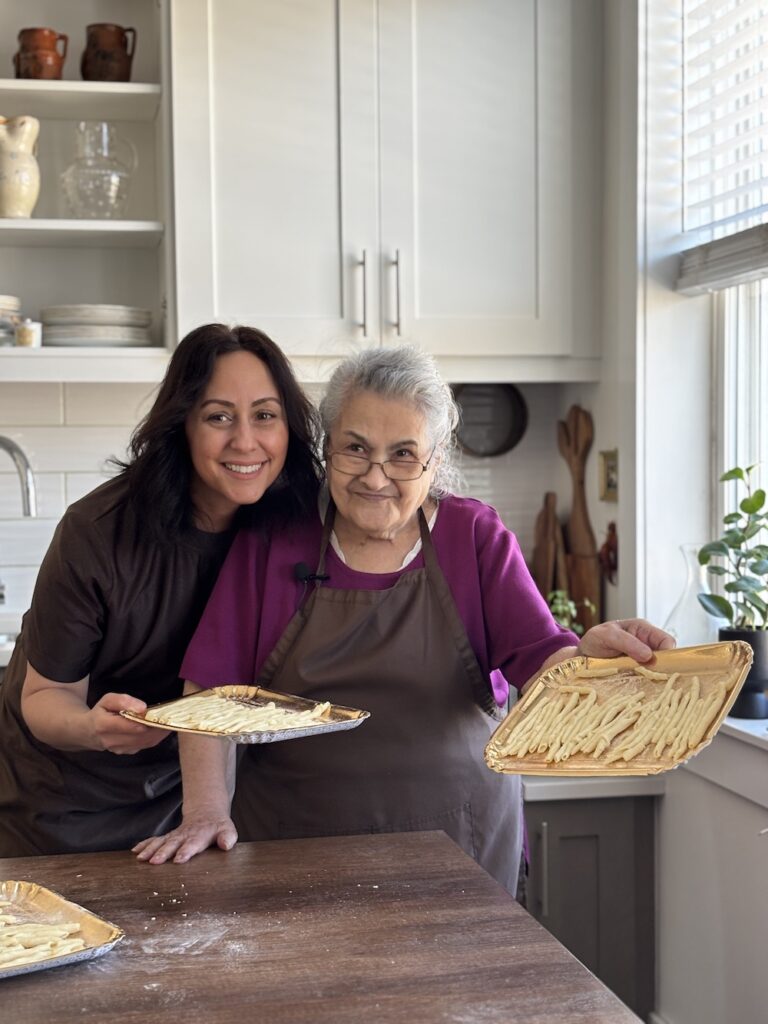
Food creates connection very quickly.
During the pandemic I started cooking professionally and hosting dinners focused on regional Italian dishes and lesser-known traditions.
What touched me most was hearing Italians themselves say, “You brought me back to my grandmother’s table,” or “You brought me home.”
Food becomes emotional because it connects people to memory, identity, family, and place.
Even when people come from different backgrounds or countries, you can watch strangers slowly become comfortable together around the table by the end of the evening.
That human connection is one of the most beautiful things to witness.
You often speak about the Slow Food movement. What does it mean to you? (22:09)
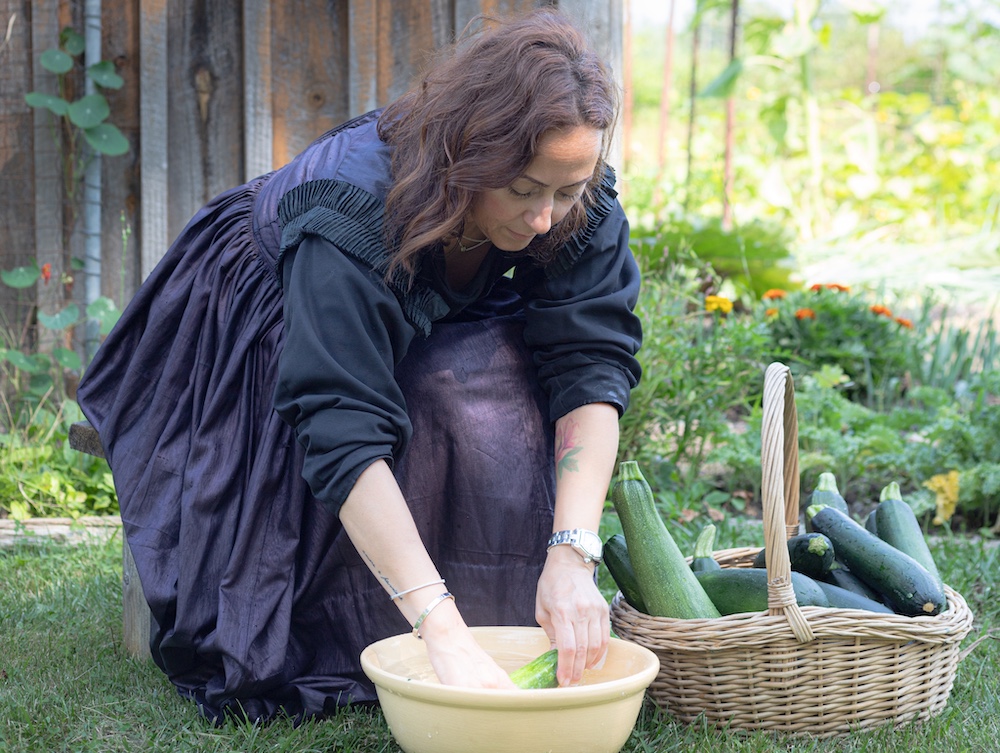
A lot of people think Slow Food is only about food, but it’s really about understanding.
It’s about understanding where ingredients come from, how they are grown, how people are treated, and how traditions are preserved.
There’s also a philosophy behind it that extends beyond food into everyday life.
We live in a world where everything moves quickly, but Slow Food reminds us to slow down, reconnect with quality, reconnect with people, and reconnect with the land.
Luxury today is often associated with excess, but I truly believe luxury exists in simplicity.
The slower you go, the more luxurious life actually becomes.
How has the Italian heritage experience evolved in Canada? (30:34)
I think earlier generations focused on assimilation while still trying to preserve pieces of Italian culture inside the home.
Now younger generations are becoming curious again. They want to reconnect with Italy more deeply and understand the traditions that shaped their families.
What’s beautiful is that they’re not rejecting modernity. They want to carry traditions forward while also evolving them for a new generation.
That balance is important.
Do you think Italian Canadians and Italian Americans evolved differently? (33:05)
Yes, I do think there are differences.
For example, Sunday lunch remained very strong in many Italian Canadian households. Meals often stayed closer to the multi-course structure you would find in Italy.
A lot of changes within diaspora communities happened for practical reasons — work schedules, accessibility of ingredients, and adapting to a new country.
I think it’s important not to judge those changes, but rather understand why they happened.
Culture evolves naturally.
Where do you see Italus going in the future? (37:16)

Right now, I’m focused on building the foundation properly because I believe younger generations deserve these stories and connections.
There’s still so much to share, preserve, and celebrate.
What excites me most is seeing younger generations embrace Italian culture in ways that are authentic, thoughtful, and evolving rather than stagnant.
I think we are witnessing a new chapter of Italian cultural identity within the diaspora, and I’m very excited to help document and support that journey.
Connect with Daniela Sfara
Through Italus, culinary experiences, and digital storytelling, Daniela Sfara explores the connections between Italian heritage, regional identity, artisanal traditions, and contemporary cultural life.
Website: danielasfara.com
Instagram: @danielasfara | @italus.patrimonio
LinkedIn: Daniela Sfara
Facebook: Daniela Sfara
TikTok: @danielasfara
For more conversations like this, listen to Italy Answered and explore the Chat with an Expat series by subscribing to Live in Italy Magazine.