When people think of Italy’s famous cultural cities, they usually name Rome, Florence, or Venice. Turin rarely comes to mind, and that may be exactly what makes it so attractive.
Turin offers something rare. International families and investors who are seriously considering Italy are finding here the infrastructure of a European capital, the quality of life of a mid-sized Italian city, and real estate values that have not yet caught up with either.
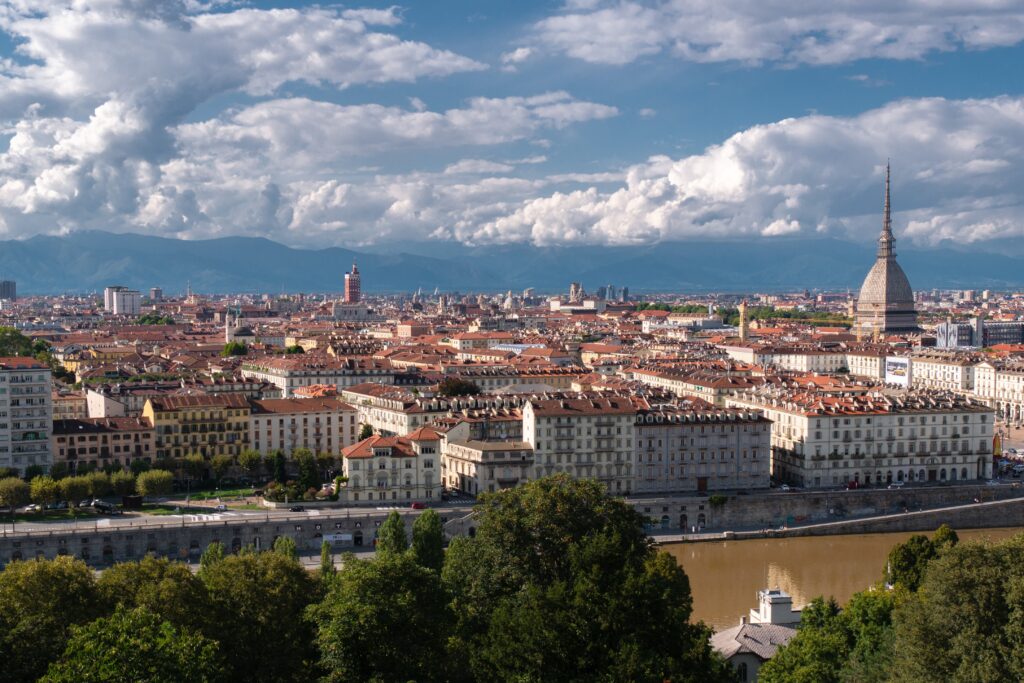
Called Torino in Italian, the capital of Piedmont (Piemonte) offers grand boulevards, royal palaces, famous museums, and some of Italy’s best food. Compared with the country’s top tourist destinations, it is generally less crowded, which adds to its appeal.
Turin is elegant without trying too hard, and that is part of its charm. You get to know the city slowly, walking beneath its long porticoes, along the Po River, and in cafés where chocolate and coffee wrote significant chapters of their history.
Turin is quietly becoming an appealing destination for people looking to invest, relocate, or build a second life.
Between the Alps and the Sea
Turin is in northwestern Italy, with the Alps rising behind it.
You can easily take a day trip from Turin to mountain spots like Bardonecchia and Sestriere, or head the other way to Ligurian coastal towns like Alassio and Portofino.
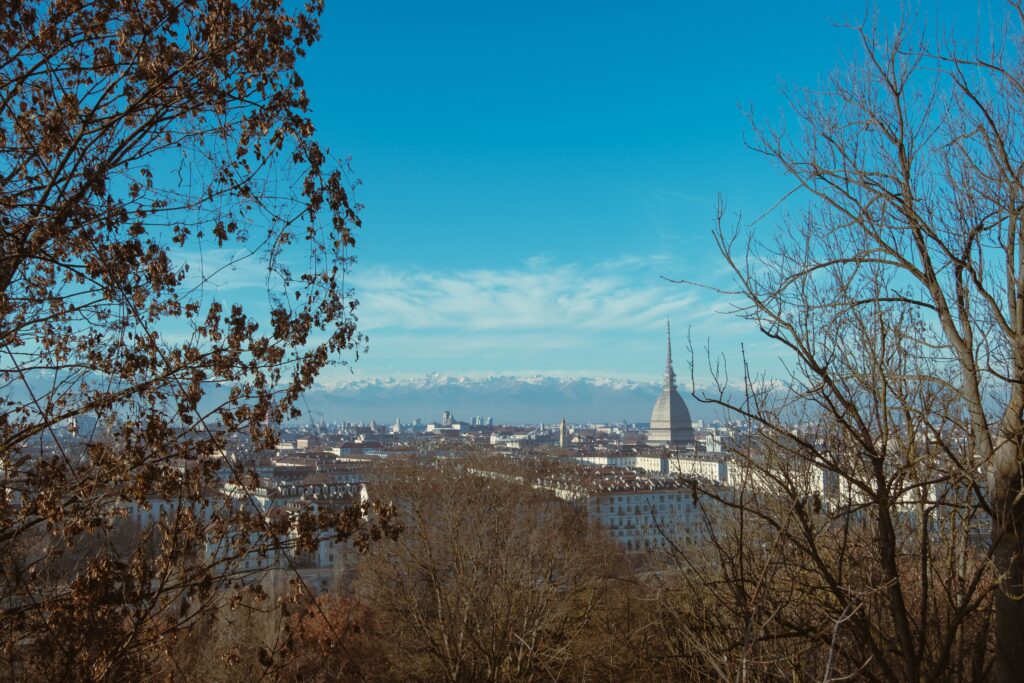
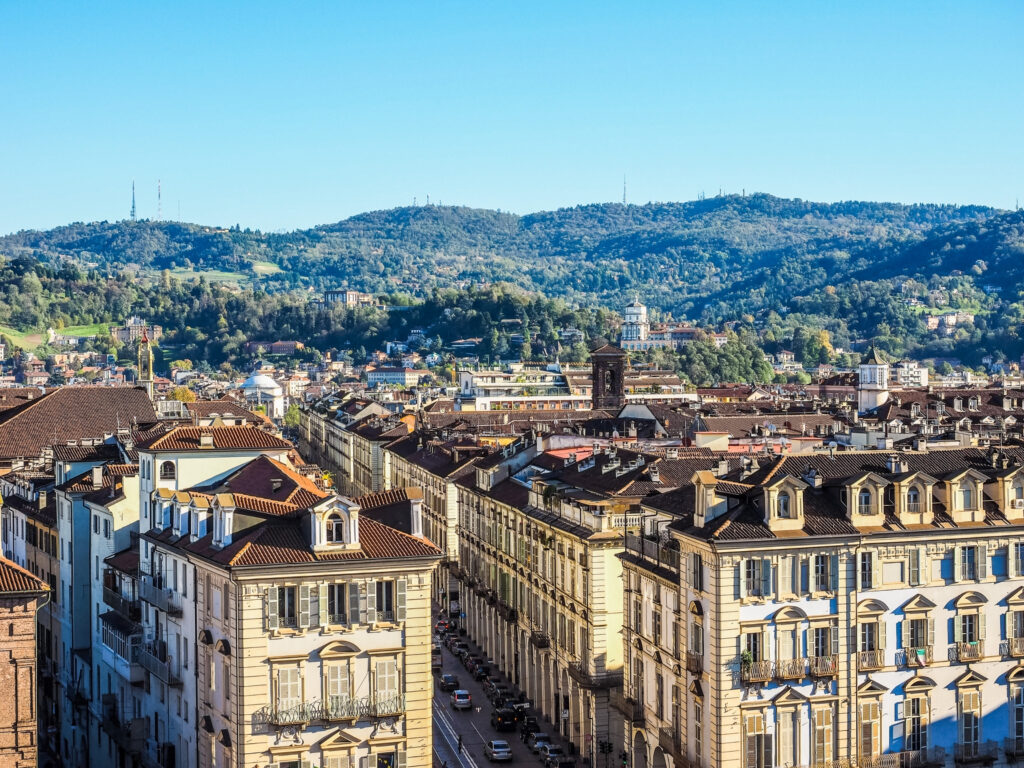
The Po River, Italy’s longest, runs through Turin with green hills on its eastern side. If you cross the river and climb Monte dei Cappuccini, you’ll get a classic view of terracotta rooftops, the Mole Antonelliana, and the Alps in the distance.
Italy’s First Capital
Turin was the first capital of unified Italy from 1861 to 1865, before the capital moved to Florence and then Rome. You can still see signs of this history in the city center.
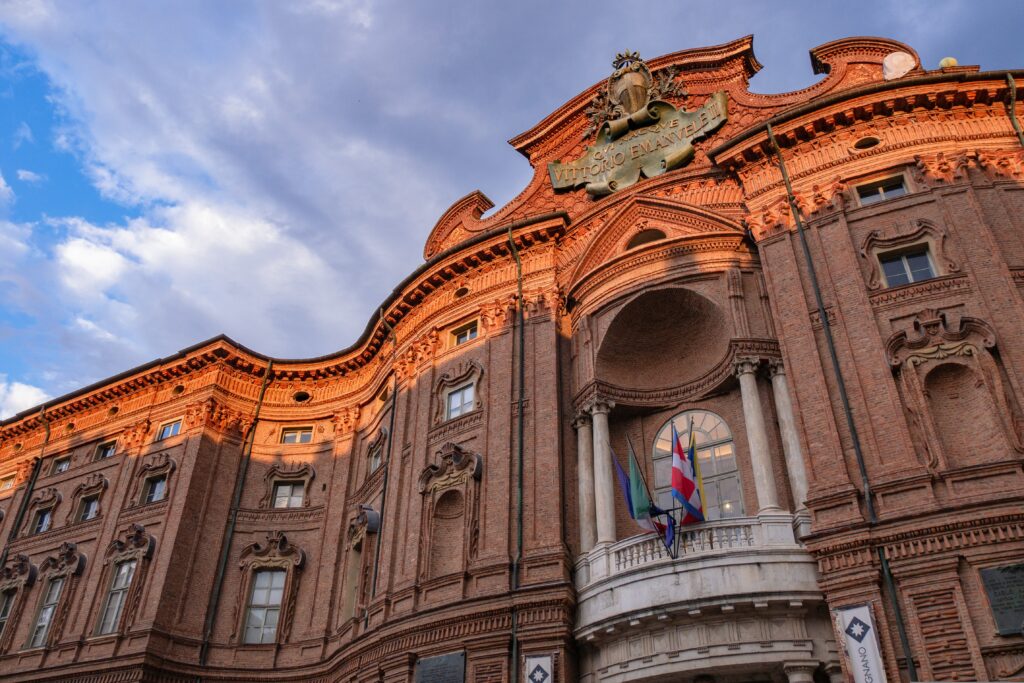
Palazzo Carignano was at the core of Italian unification. On March 17, 1861, Vittorio Emanuele II was proclaimed King of Italy within the palace complex. Today, the building houses the National Museum of the Italian Risorgimento and the earlier chamber of the Subalpine.
Palazzo Reale and Palazzo Madama are close by as well. Along with Palazzo Carignano, these three buildings let visitors see Turin’s royal and political history up close.
Turin is no longer the political center of Italy, but it remains an important economic city. Fiat played a big role in shaping modern Turin, and today the city is known for car design, aerospace, technology, artificial intelligence, tourism, and finance. Piedmont is still one of Italy’s richest regions, with a strong export economy.
Turin keeps adapting. It invests in tourism, culture, and design as it transitions away from traditional manufacturing. It is not only a great place to visit, but it is also becoming quite popular among international investors & retirees rethinking where in Italy they want to be.
A Different Kind of Italian City
Turin has large squares and wide streets, as opposed to the narrow roads found in many other Italian cities. Piazza Castello, Via Roma, and Piazza San Carlo are examples of the House of Savoy’s neat grid design. Turin feels more like Vienna or Paris.
Turin has around 11 miles of porticoes, which are covered walkways linking palaces, churches, cafés, and shops. These were built as the city became a royal capital to make it easy to walk around, even in the rain.
Aperitivo, Chocolate, and Bicerin
Antonio Benedetto Carpano created vermouth in Turin in 1786 by mixing muscatel wine with herbs and spices. The drink soon became a key part of Italian aperitivos and later found its way into cocktails worldwide.
Turin is also known for Gianduiotto, the first wrapped chocolate in history. The broader Gianduja tradition began in the 19th century, when cocoa was rare and costly, so local confectioners used plenty of hazelnuts to make the chocolate go further.
The abundance of local hazelnuts helped stretch the chocolate mixture. There’s a nice twist to the story: today, Piedmont’s hazelnuts are considered a luxury ingredient.
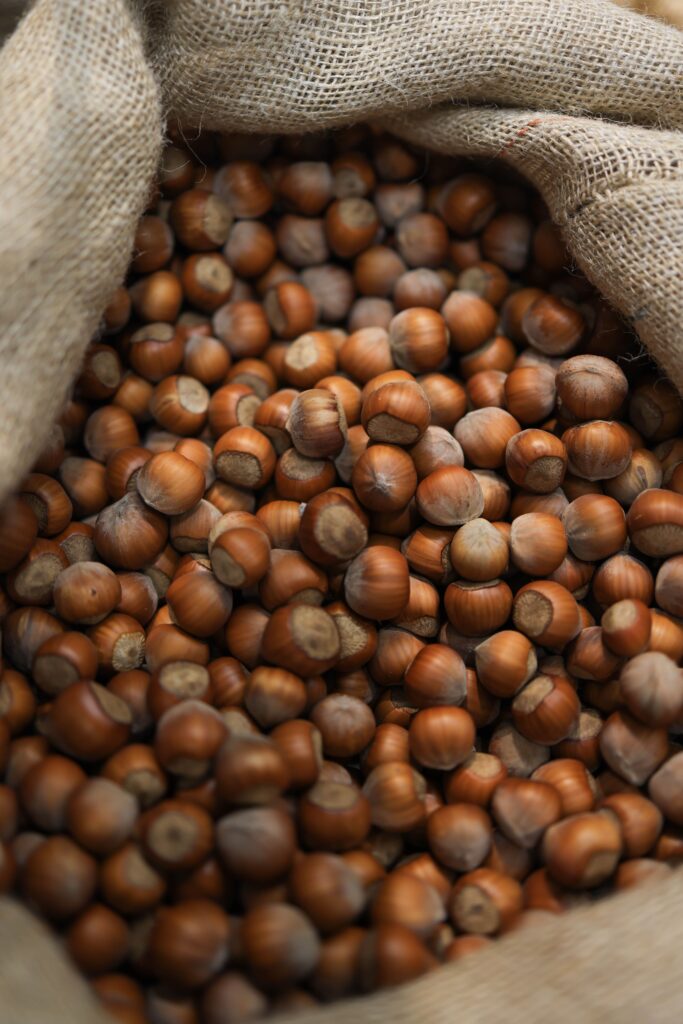
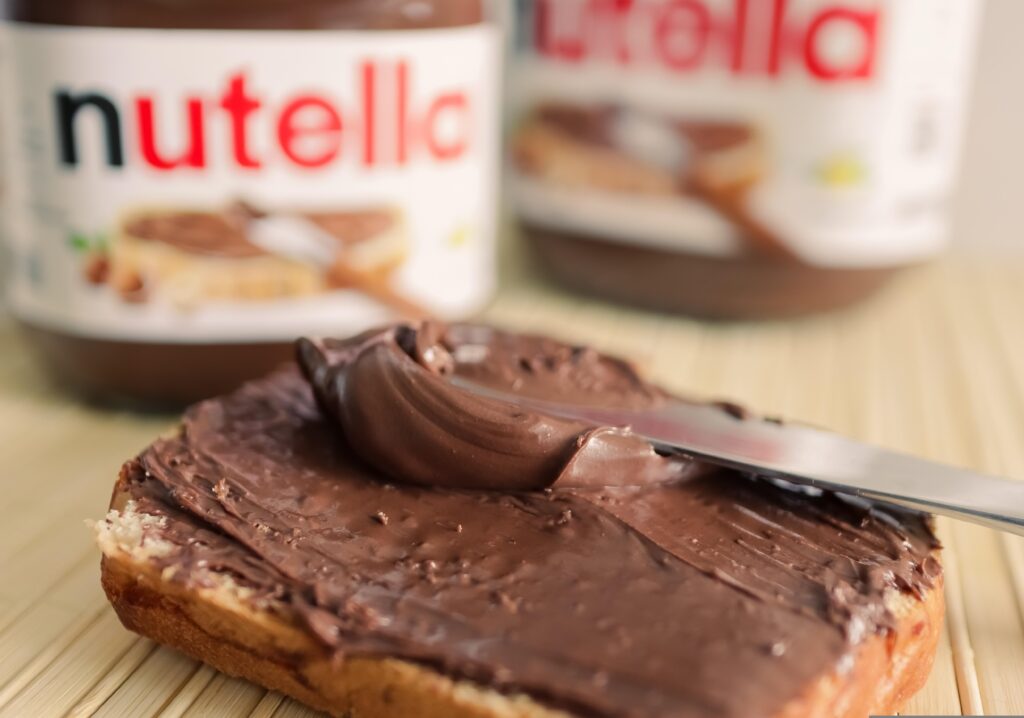
That mix of cocoa and hazelnuts from Piedmont later inspired Nutella. Ferrero started in nearby Alba in 1946, and Nutella was launched in 1964, bringing this local pairing to the world.
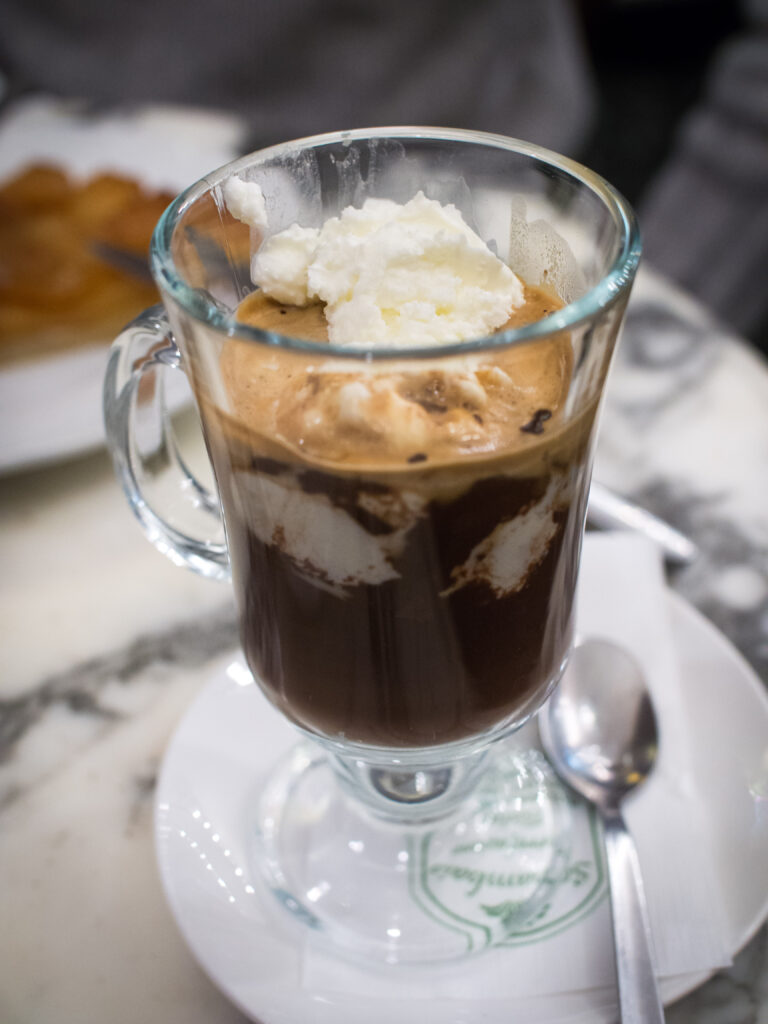
Turin is home to iconic coffee brands like Lavazza and Costadoro, and to the invention of Bicerin, the drink considered the forerunner of the modern cappuccino.
Caffè Al Bicerin, open since 1763, is the classic spot to try Bicerin. Some say Turin is worth visiting just for this drink. It’s rich, indulgent, and truly Turinese.
Even Turin’s bread tells a story. The city is famous for grissini, thin breadsticks that are now found throughout Italy. Pair them with local dishes like vitello tonnato or agnolotti del plin, and join the locals for an aperitivo of small bites.
Other Foods to Try in Turin
- Grissini, the breadsticks, are said to have been created in Turin in the 17th century for a young duke of Savoy.
- Bagna cauda, a warm garlic-anchovy dip for vegetables.
- Tajarin, thin egg pasta often paired with white truffles from nearby Alba.
- Bonet, a baked chocolate-amaretto-rum pudding.
Two Extraordinary Museums
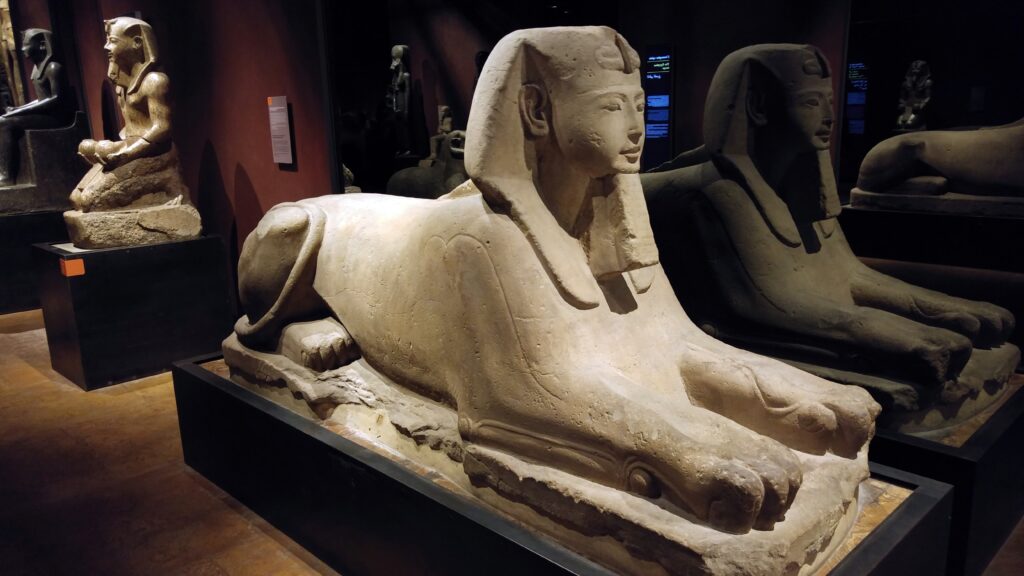
The Museo Egizio is the world’s oldest museum dedicated entirely to ancient Egyptian culture, home to papyri, statues, and fully reconstructed burial sites, including the intact 18th Dynasty Tomb of Kha and Merit, found in 1906. Its papyrus collection includes the Turin King List, a partial roster of pharaohs that historians use to reconstruct early Egyptian chronology.
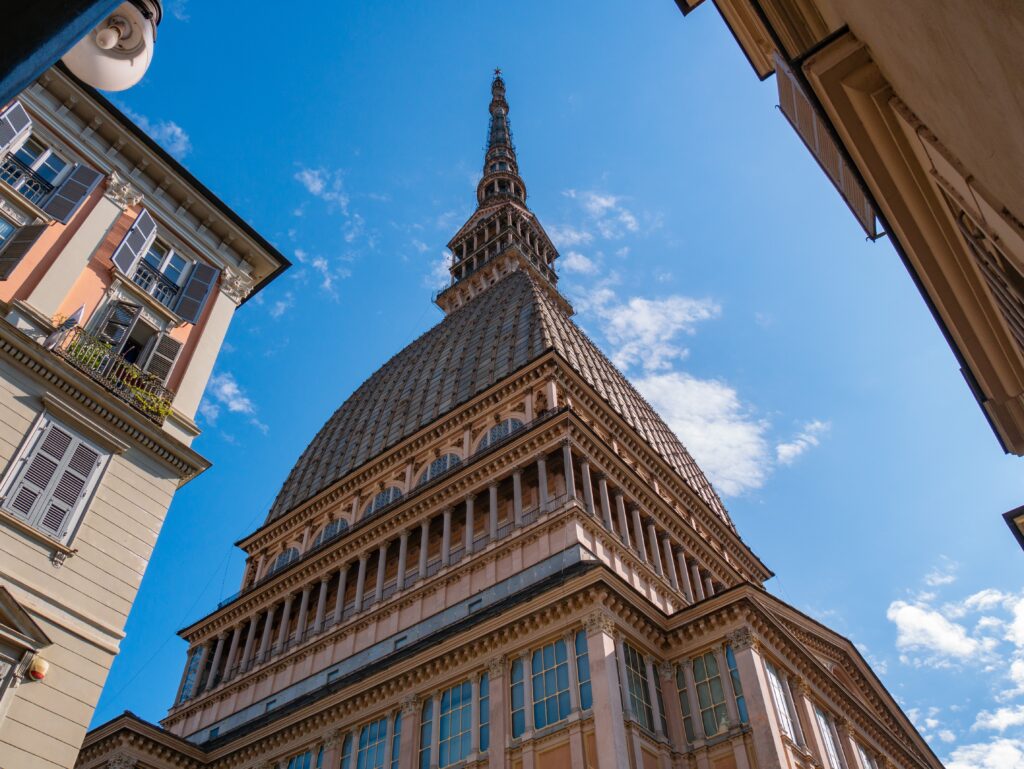
The National Cinema Museum is housed inside the building that defines Turin’s skyline. The Mole Antonelliana was first planned as a synagogue, but the city later turned it into a civic monument dedicated to Italian unity. Inside, sets, costumes, posters, and equipment trace the history of cinema, and the panoramic elevator to the top offers a full view of Turin.
Turin Through the Year
Turin has a clear rhythm throughout the year. Late spring, from April to May, and early fall, from September to early November, are when the city is at its best for walking, with autumn also bringing Piedmont’s food and wine season into full swing. October and early November are especially lively, with Artissima, Italy’s top contemporary art fair, and Luci d’Artista, which fills the city with modern art installations.
Other major events in Turin include the International Book Fair, Terra Madre Salone del Gusto, the Torino Film Festival, and CioccolaTò, a festival dedicated to chocolate. Dates vary each year, so check the official calendar when planning around them.
Turin as a Base, Not Just a Destination
Turin’s real estate prices remain significantly lower than those in Milan or Florence, despite the city’s expanding infrastructure, connections, and international schools. For families deciding where to settle in Italy, the gap between quality of life and cost is a major draw.
Making that move work, however, requires more than just falling for the city. Visas, property law, tax residency, and school logistics must all align. Turin is where serious decisions get made.
Follow our Turin Instagram series for an insider look into Italy’s first capital.
Why Turin
Turin does not ask for attention. It rewards those who stay long enough to understand it. For the growing number of international families making the move from visitor to resident, from interested to invested, that understanding comes with a question: how do you make it work on every level that matters? Some questions are better answered in a conversation.