
Maybe you’ve always yearned to have an Italian nonna, or perhaps you were lucky enough to have one but never took the time to catalogue her recipes. Regardless of your origin story, Italian cuisine remains one of the world’s most revered culinary traditions, and yet, attempting to master it can feel like a daunting endeavour. Add an algorithm dominated by content creators offering contradicting “authentic” recipes to the mix, and it’s often easier to declare defeat before setting foot in the kitchen! Fortunately, Italian Home Cooking: Authentic Dishes from All of Italy’s Regions cuts through the online chaos, bringing the magic touch of a nonna to your kitchen.
Authored by Slow Food Europe – a regional division of the global Slow Food Movement – the book features over 100 recipes spanning the entire Italian peninsula. Curated directly from trattorias, osterias, and home kitchens vetted by the organization, the book serves as an incredibly accessible entry point into the diverse facets of Italian cuisine. The book is organized by region and doubles as a history lesson about how each one’s culinary traditions have been influenced by the many cultures that have passed through the country. It challenges the idea that Italy is all about pizza, pasta, and tomatoes.
Revealing the Unknown Recipes of Italian Home Cooking
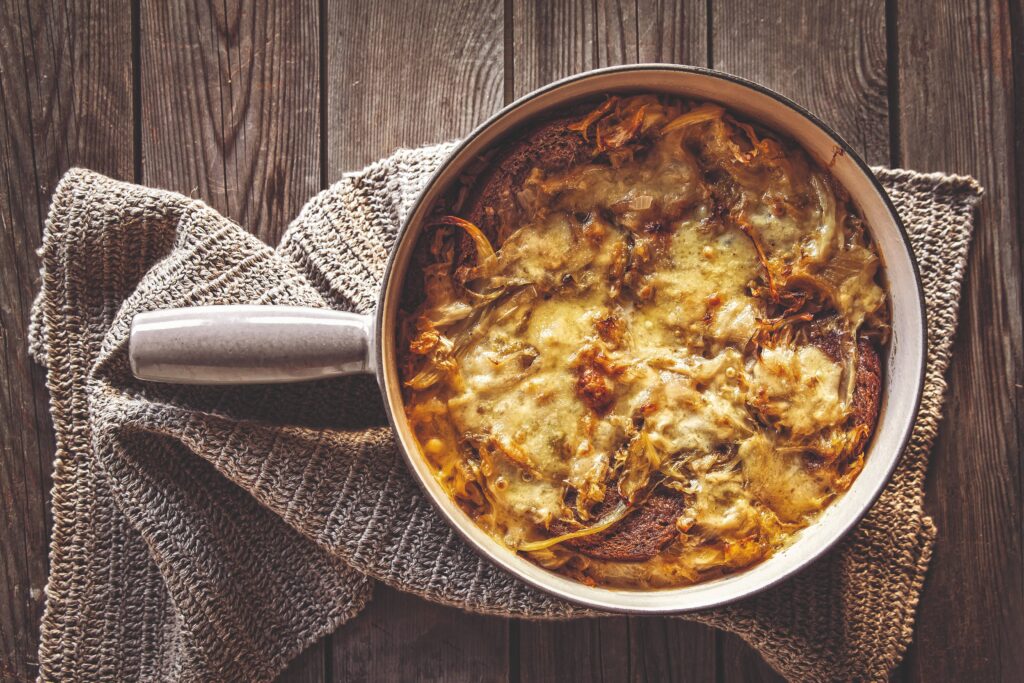
Italian Home Cooking is divided into twenty chapters, each dedicated to one of Italy’s regions. The first two chapters will serve as an immediate surprise to both those familiar with Italian food and those less well-versed. Beginning in Valle d’Aosta and Piedmont, the dishes of these two regions share a striking resemblance to French cuisine, an illustration of how Italian food is influenced by geography and history. As someone with a lifelong passion for the Italian culinary tradition, I knew of classics like bagna cauda, bonet, and vitello tonnato, but this book introduced me to new recipes such as seupa vapellenentse, a comforting baked soup from Valle d’Aosta that consists of a layer of rye bread followed by sauteed cabbage, broth, and slices of gooey fontina cheese over top. It’s the perfect recipe for a cold night, and one that I will definitely be adding to my rotation this winter.
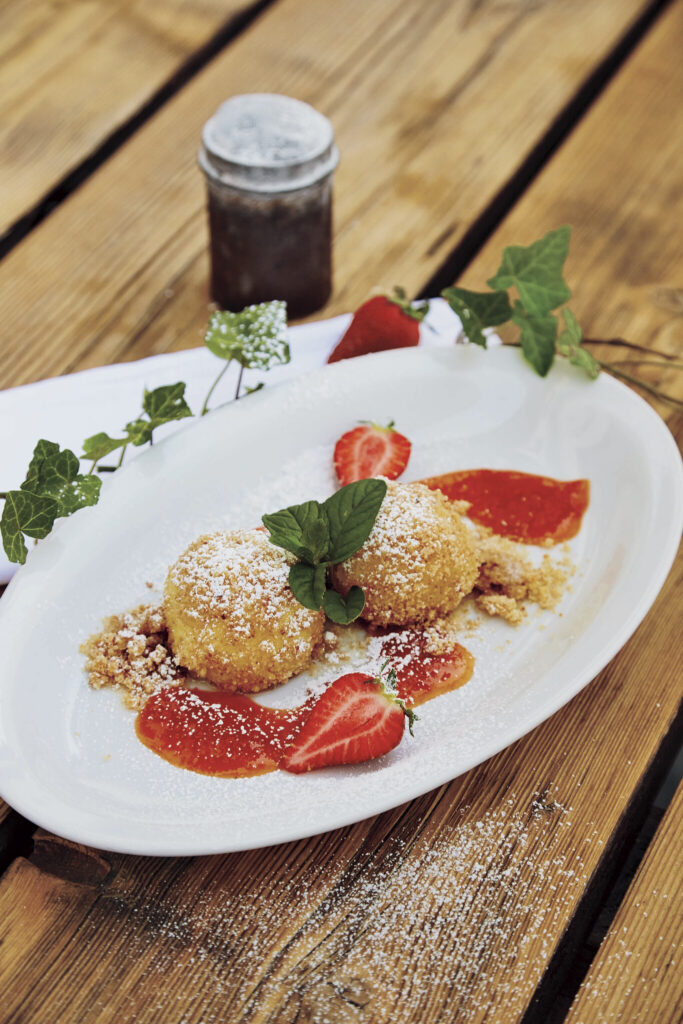
Moving towards the northeast corner of Italy, the country’s Austro-Hungarian history becomes evident. In Trentino-Alto Adige, savory dishes like canederli ai formaggi (cheese and bread dumplings) and sweet dishes like apple strudel and knodel di albicocche (apricot dumplings) are a clear departure from the quintessential flavors of Italian cuisine that most are familiar with. Fun fact: these apricot dumplings are made with potatoes! The same is true of Friuli-Venezia Giulia, where one can find goulash, something many associate with Hungary. But these delicacies are no less Italian than mainstream favorites like lasagna and risotto alla milanese; it’s merely that few are exposed to these classics unless visiting their respective regions.
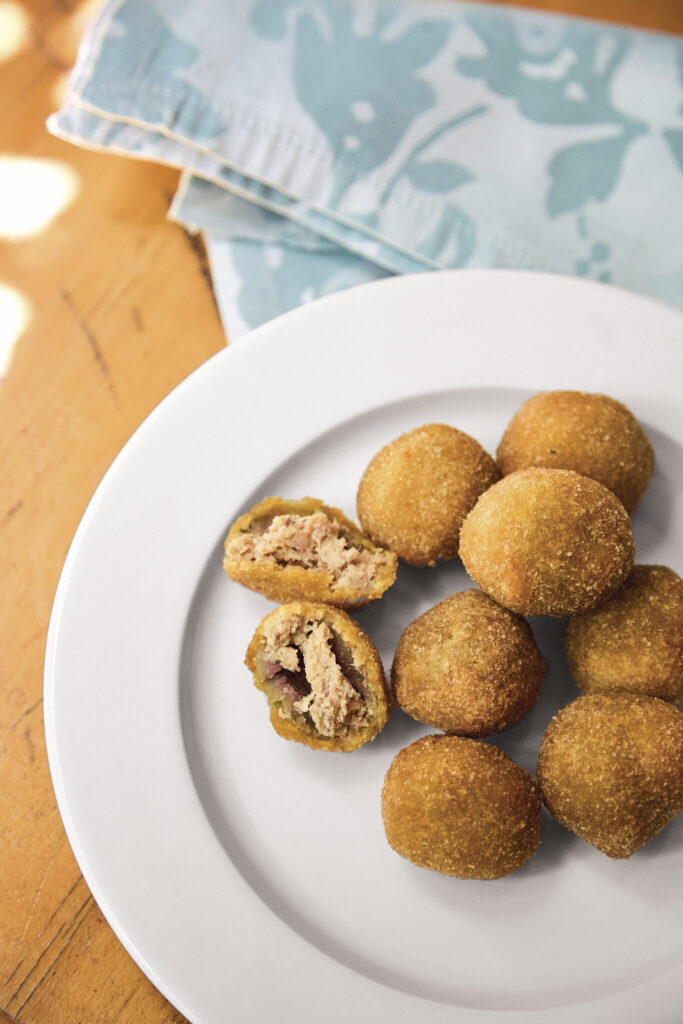
As the book progresses, it arrives at the central Italian region of Le Marche. Among its various dishes, one can find a recipe that is dear to my heart: olive all’ascolana. Essentially deep-fried, stuffed olives, these are a hallmark dish of my childhood – my nonna would make several thousand at a time! And though they’ve gained popularity in recent years on menus in Rome, they remain widely undiscovered. A labor of love to prepare, they seem difficult to make, but Italian Home Cooking simplifies the process into five easy steps. Meanwhile, as the book continues southward towards Puglia, readers will discover a sweet treat that’s believed to be of Greek origin. Known as cartellate, the process involved in making these honey-soaked pastries shares similarities to Greece’s famed baklava, except that they’re fried rather than baked. Their spiral presentation is elegant and playful, but also different from the typical Italian pastries most find at bakeries in North America and the UK.
Perfecting the Classics of Italian Home Cooking
Italian Home Cooking doesn’t only introduce readers to Italy’s lesser-known dishes. It also offers insight into the country’s most famous ones. This mix of old and new favorites makes it possible to recreate classics at home without a fuss; perfect for the cook that wants to bring the essence of an Italian vacation to their table. Two recipes that standout are amatriciana and cacio e pepe. These are two of the most ordered dishes among tourists who visit Rome and yet, making them at home can seem like an impossible feat. This is often made worse with YouTubers, TikTokers, and Instagramers vowing to bear the secret hack to perfecting these Roman classics, only to contradict one another. Fortunately, this book cuts through the noise and makes both recipes, along with many others, as simple as they’re intended to be.
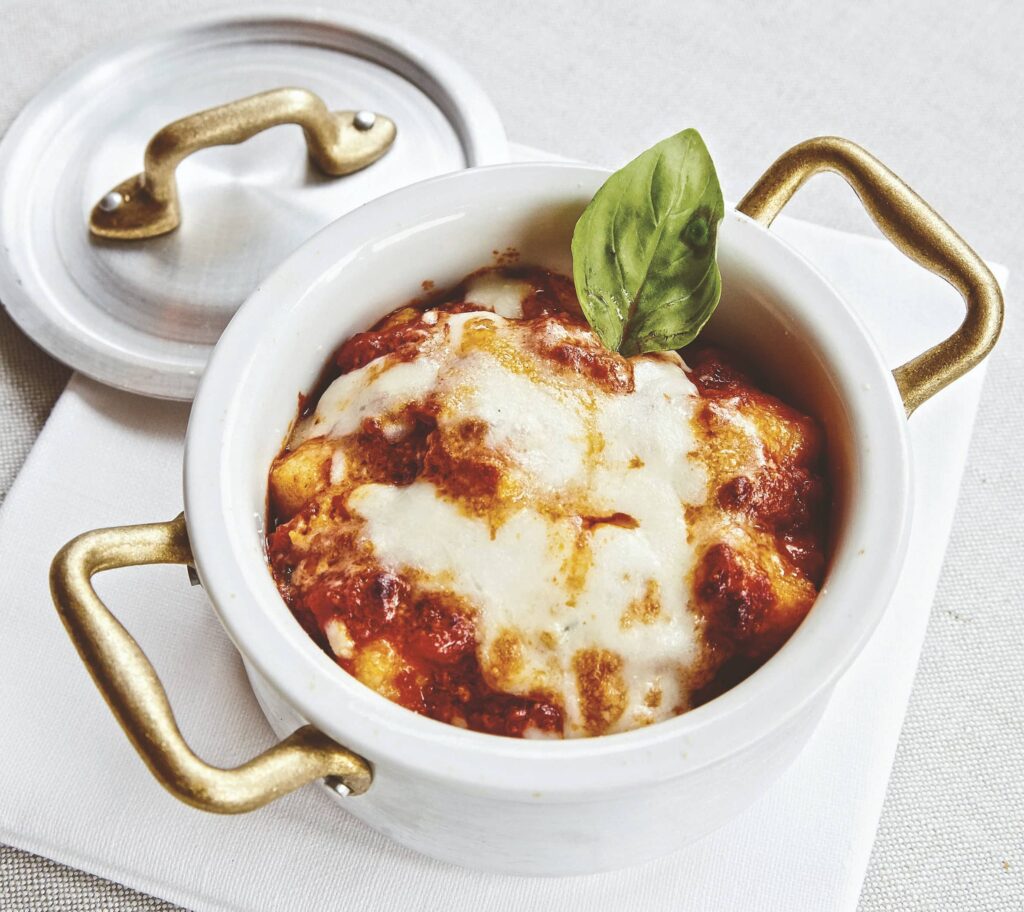
The journey continues south with gnocchi alla sorrentina and eggplant parmigiana, two of Campania’s ultimate comfort foods. Making oven-baked gnocchi may seem like a basic recipe, but this version highlights the book’s Slow Food roots. Instead of relying on store-bought passata, it teaches home cooks how to make a sauce from scratch using heirloom tomatoes. Taking only a few minutes to make, this extra step is what makes the difference between a basic plate of gnocchi and something that could be ordered at a charming trattoria in Sorrento. It’s details like this that make this book a masterclass in capturing the magic of authentic Italian cuisine.
Celebrating the Sweet Treats of Italian Home Cooking
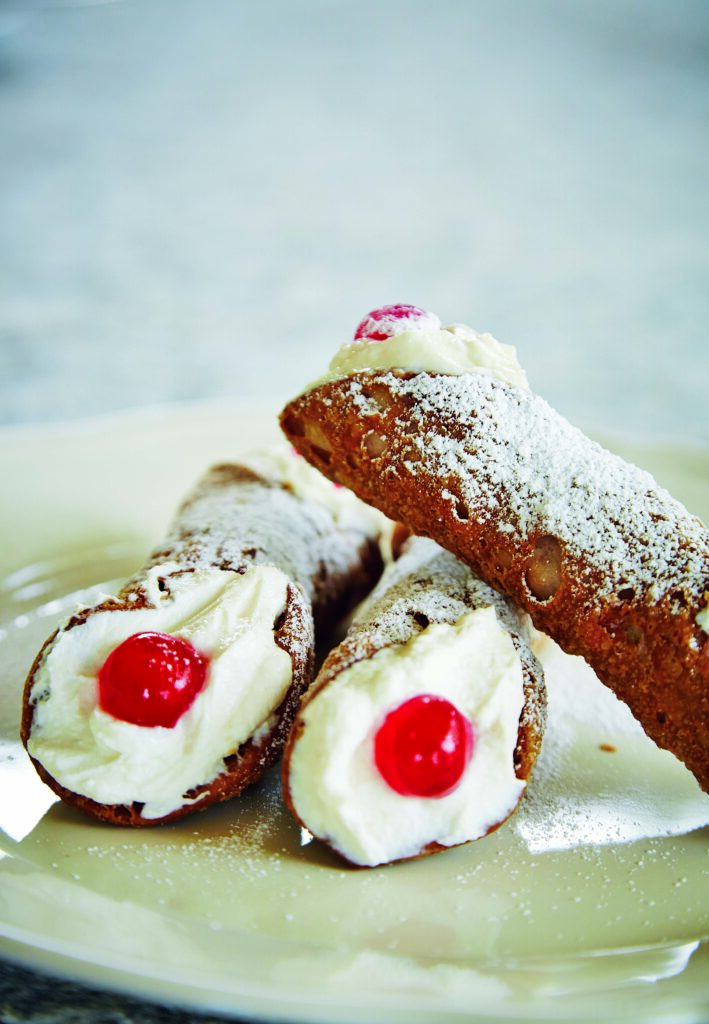
Though the book is separated by regions and desserts are naturally woven into each chapter, as a foodie, I’m compelled to spotlight a few of my favorites that appear in Italian Home Cooking. At the top of my list are cannoli, perhaps one of Italy’s most well-known and loved desserts. Making this Sicilian classic couldn’t be easier, with the recipe divided into two sections – the preparation of the crunchy shells and the rich, creamy ricotta filling. Meanwhile, from Emilia-Romagna, the book shares two recipes that also evoke memories of my own childhood. The first is zuppa inglese, which is a hybrid between a trifle and tiramisu, and another one of those dishes that remind me of my nonna. Often the dish calls for a homemade sponge cake, but this version simplifies the process by opting for lady fingers. Transforming it into a no-bake recipe, it’s as simple as making custard to layer in between liqueur-soaked cookies.
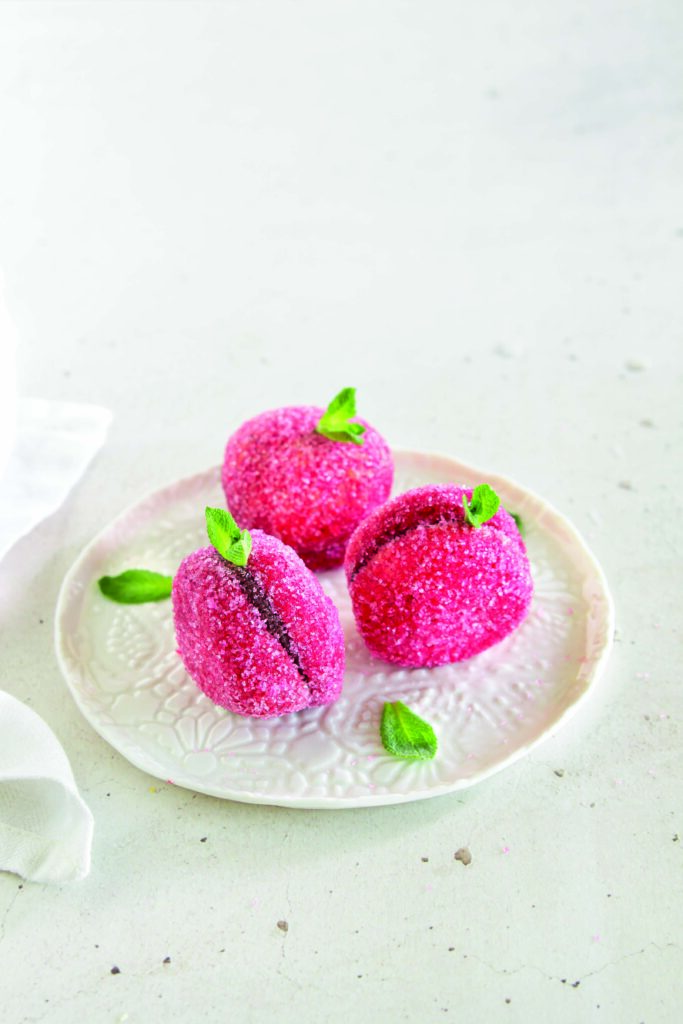
The second dessert is pesche dolci, a treat that is both appealing to the eyes and palate. And though it originates in Emilia-Romagna, its popularity is widespread in Le Marche and Tuscany. Two semi-spherical cookies are joined together with chocolate custard and then soaked in alchermes liqueur to create the appearance of a peach. If you plan on entertaining or are attending a dinner party, I would definitely recommend offering to bring dessert and making these; people will not stop talking about them!
The Final Verdict
Italian Home Cooking is a timeless addition to any cookbook collection. Given its mouthwatering photography and approachable recipe structure, it’s guaranteed to be a book you reach for constantly. There are countless other recipes that captured my attention, but I’ll leave you to discover those treasures on your own. Buon appetito e buona lettura!
The book is available for purchase on The Quarto Group, Barnes & Noble, and Amazon.
Author