
Discover Cascina Bruno, a family-run olive farm where traditional olive oil production meets sustainable snail farming and innovative Italian skincare.
“What would you think about visiting an olive farm that also raises snails?” Lucio Milone asked me when we were planning a day trip in Abruzzo. “They use the snail slime in making cosmetics.”
Always up for adventure, I agreed without thinking twice. I had no idea what I was getting my guests and myself into, but I wanted to learn more. Lucio Milone, owner of Abruzzo Escursioni, assured me that we would enjoy a walk through the olive grove, taste the olive oil, see the snails, and test the cosmetics made using snail mucin.
So, on a Saturday in September, Lucio and I brought four of my friends to Cascina Bruno near Elice to visit the olive trees and snails.
Cascina Bruno
Overlooking the Calanchi di Elice in the heart of Abruzzo, Cascina Bruno is strictly a family-run operation that tends to its olive groves and snails with meticulous care. On the farm’s more than six hectares of olive groves, grow more than 1300 trees of different varieties. (Side note: There are more than 1000 different olive varieties in the world.)
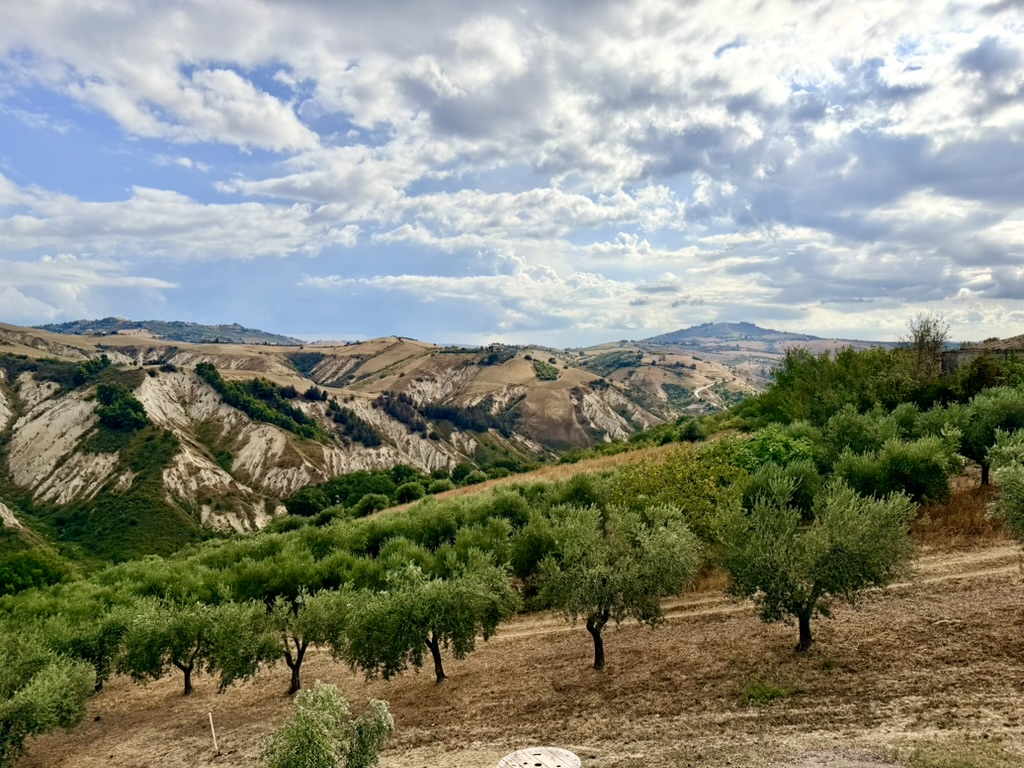
©Chris Cutler 2026
Francesco Bruno Rubini, proprietor of Cascina Bruno, spent time in the Italian Navy before returning home to run the business. In his mid-30s, Francesco feels most at home in nature, and he is passionate about focusing on tradition, craftsmanship, and respect for nature.
As we walked through the olive grove, Francesco talked about his family’s business and its history of producing olive oil. Of course, he also discussed Cascina Bruno’s snail farm, which he added to the business in 2019.
The Olive Oil
Abruzzo ranks fifth among Italy’s regions for olive oil production, accounting for four percent of Italy’s total annual olive oil output. The region’s microclimate, wedged between the Apennine Mountains and the Adriatic Sea, makes it the top-producing region of Central Italy. The majority of its over 61,000 farms and 9,000,000+ trees cultivate the olives using organic methods.
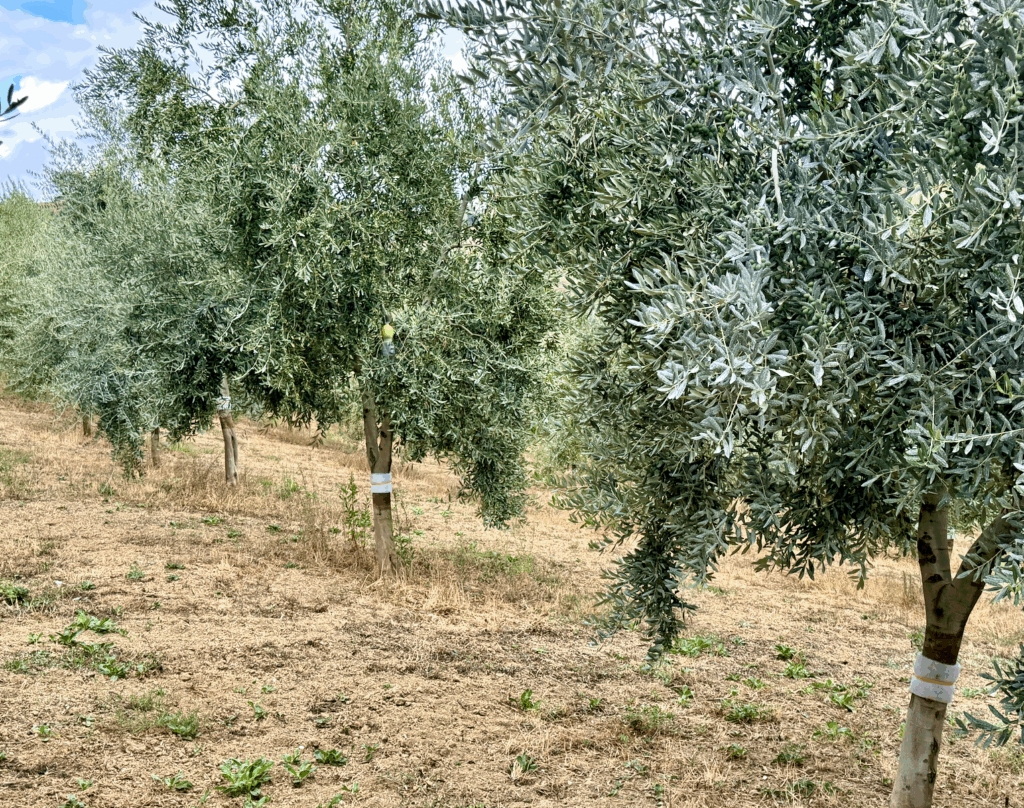
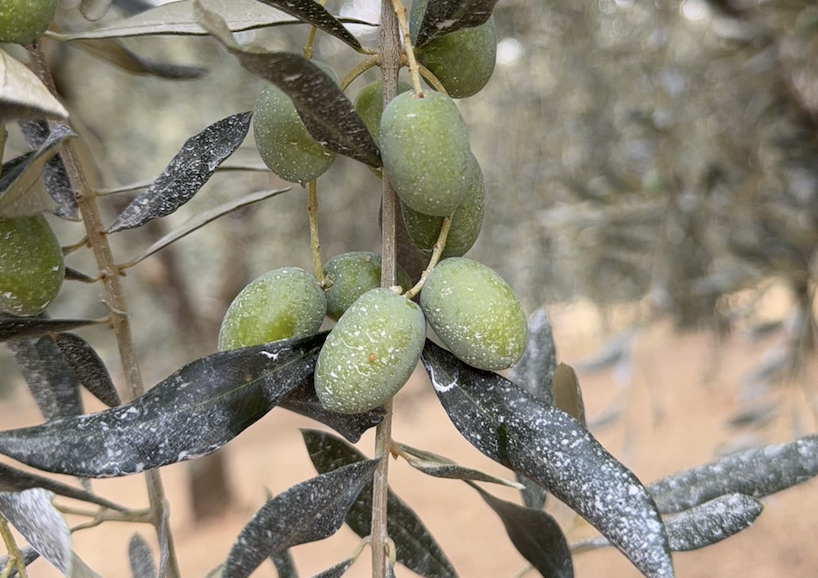
Olive oil is at the heart of Cascina Bruno. The farm cultivates traditional local varieties (Dritta and Leccino) as well as Coratina (Puglia) and Leccio del Corno (Tuscany) across 6 hectares of land. Each variety brings its own distinctive character and flavor to the oil.
All olives, no matter the variety, start out green, and as they mature, they turn brown, purple, or black. Each type has its on distinct flavor, aroma, and pungency, and their oils will reflect these. For example, oil from the Leccino olives will be smoother and more delicate with hints of flowers, grasses, and almonds. Dritta olives has a fruity aroma with hints of herbs and artichokes. While the Dritta leaves a bit of a peppery finish in one’s throat, the Leccino’s finish is softer and less bitter.
The oils that Cascina Bruno produces express the diversity of the local landscape. To preserve the olives’ freshness and aromatic qualities, Cascina Bruno processes them soon after harvesting. Cascina Bruno oils frequently win awards from prestigious organizations like Slow Food and Gambero Rosso.
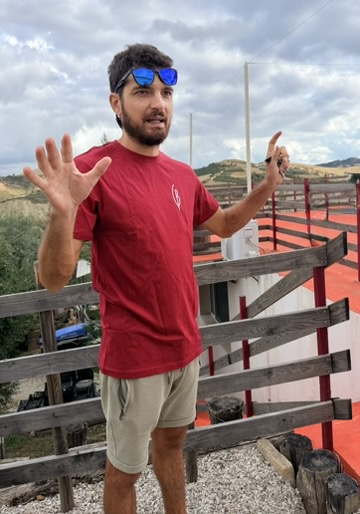
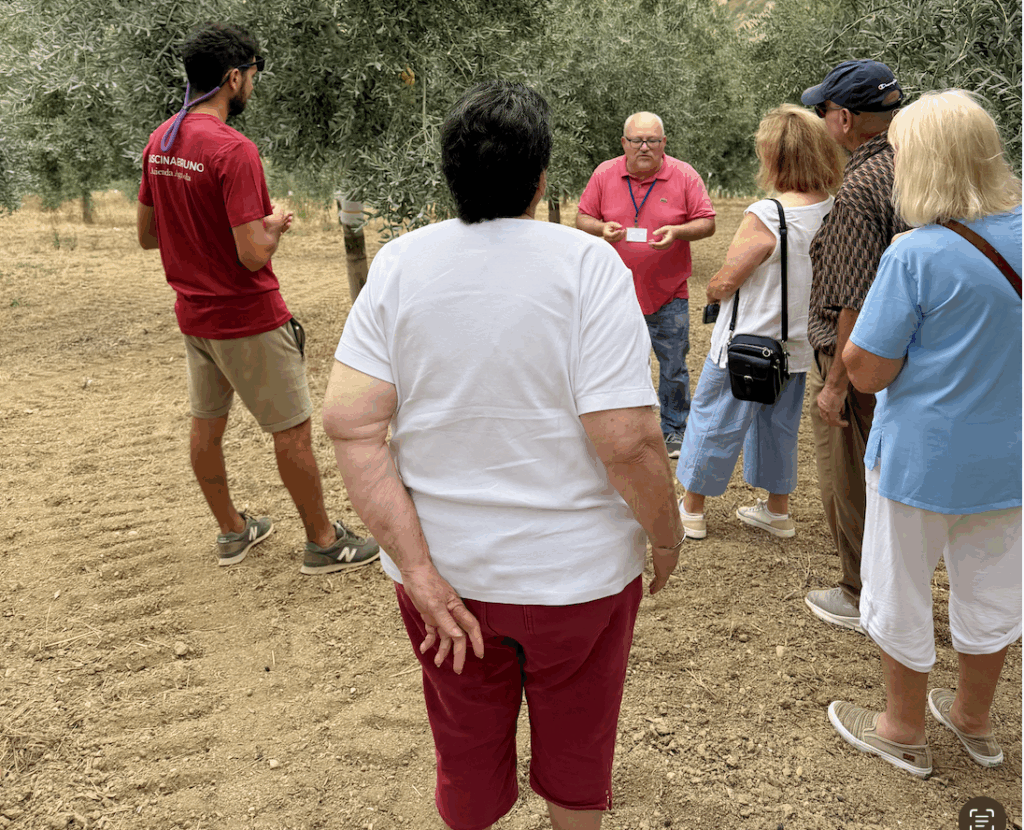
Cascina Bruno has been producing olive oil since 1999. According to Francesco, their annual output is “…around 4,000 liters per year, with an annual growth rate of about ten percent. For reference, 4000 liters equates to 8000-500ml bottles.” That said, Cascina Bruno packages their oil in various sizes.
The Snails! The Snails!
In addition to olive oil production, Cascina Bruno operates a snail farm. According to Francesco, snail farming is fascinating. Raising snails for slime (mucin) requires careful attention to the snails’ environment and welfare, and they need suitable humidity, ventilation, shade, clean surroundings, and access to appropriate food to thrive.
Using a method he describes as harmoniculture, Francesco raises his 1,000,000 snails outdoors in a protected area. He feeds the snails a special diet planted specifically for them. Their basic diet includes chicory and chard, and seasonally he adds sunflowers, alfalfa, carrots, zucchini, and/or pumpkins.
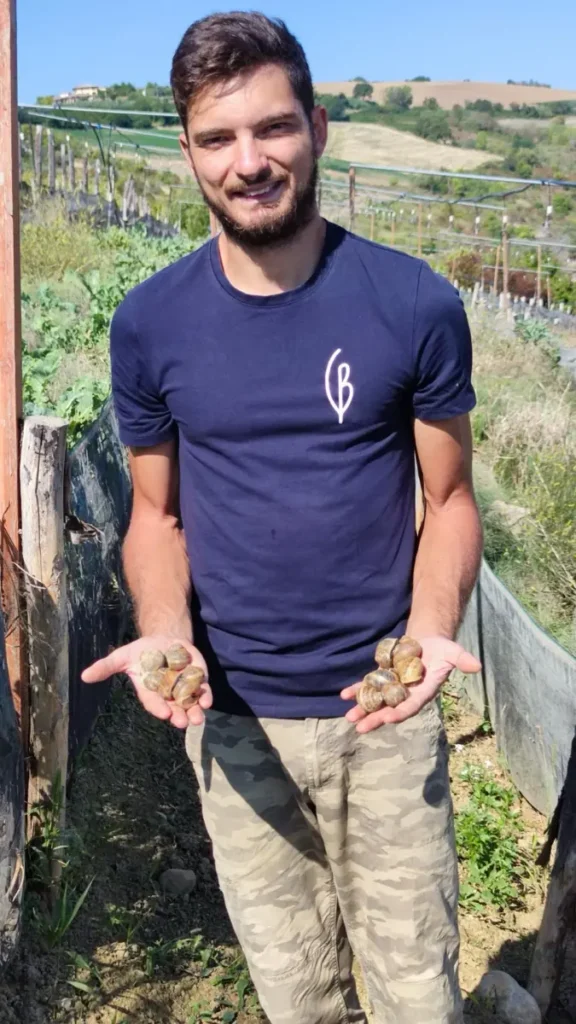
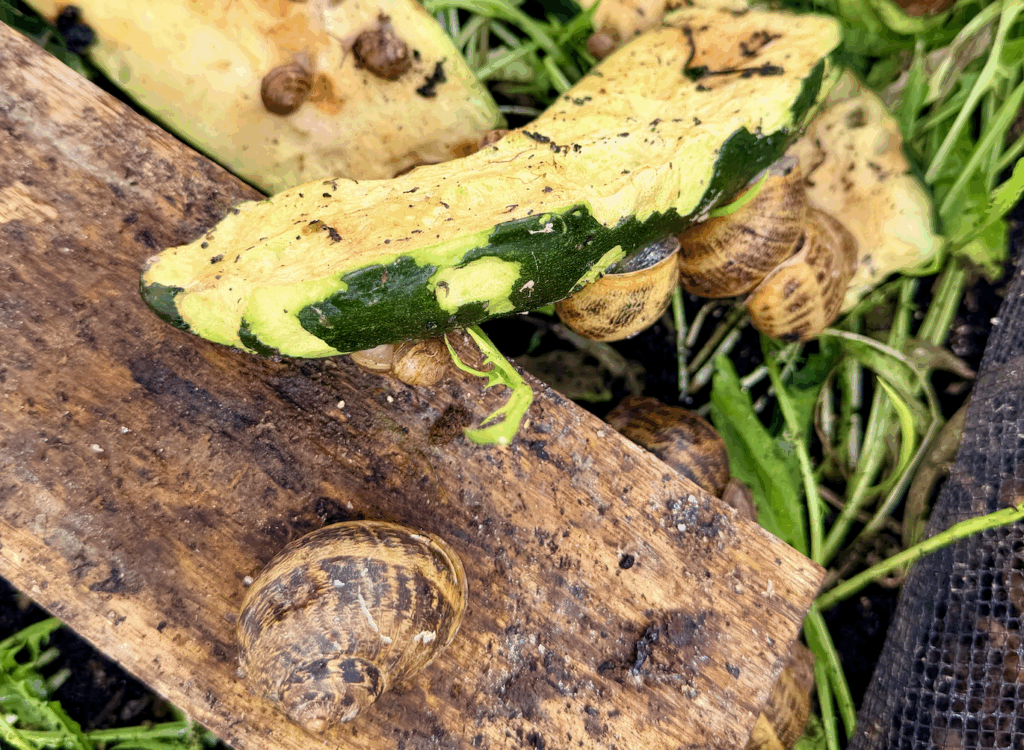
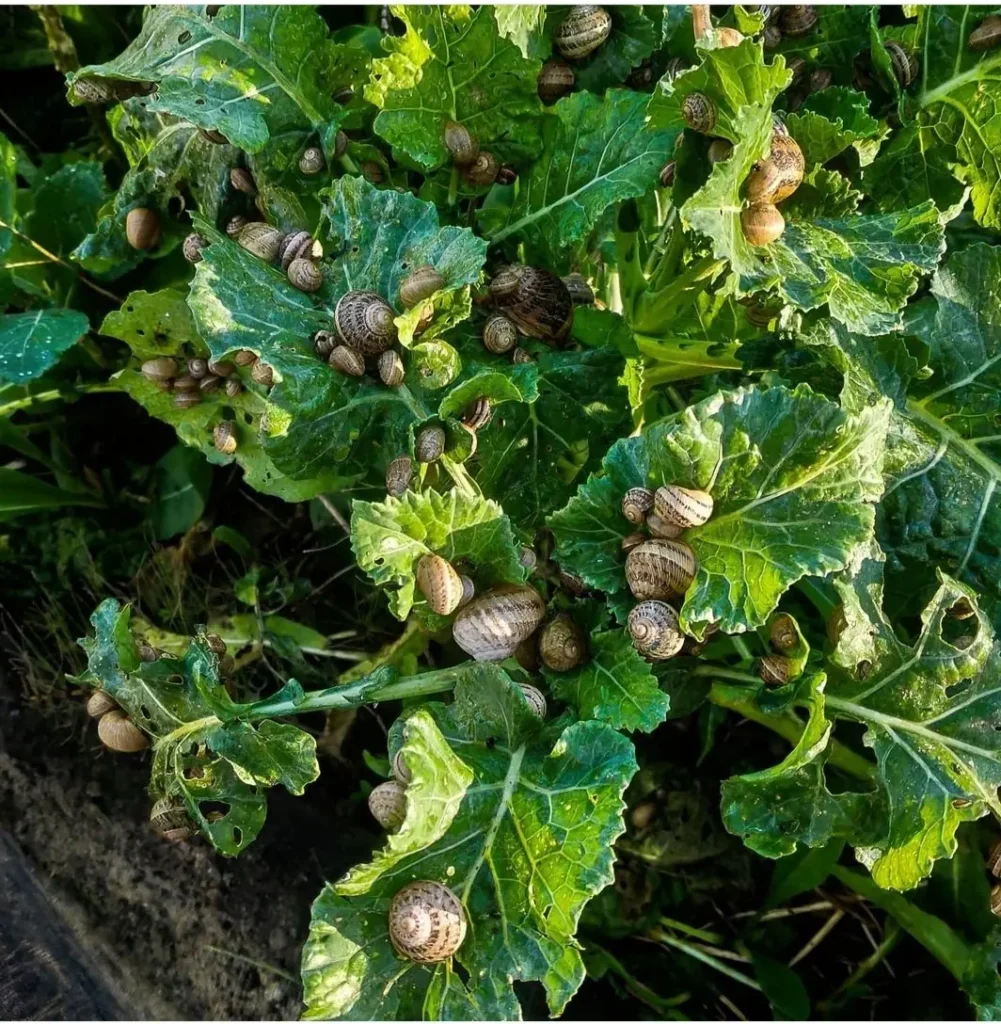
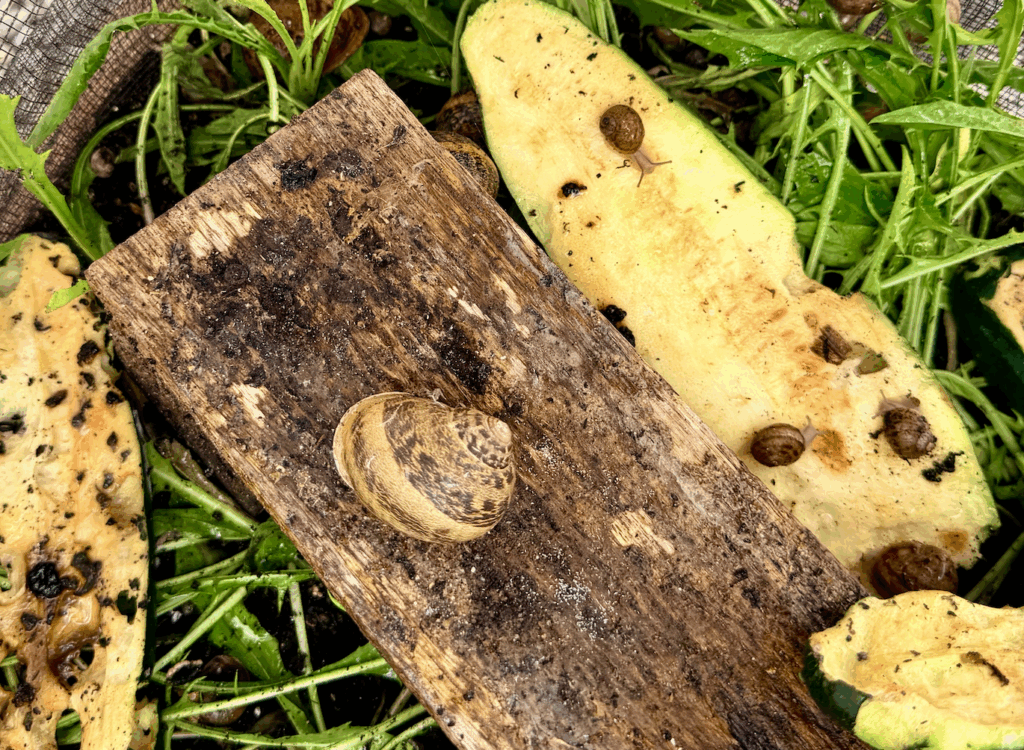
Interestingly, the snails listen to a playlist of songs performed on scientifically tuned musical instruments 24 hours per day. Biologist and musician Emiliano Toso created the playlist. This soothing music, which guests can hear from the olive groves, helps create a serene atmosphere for the snails and encourages them produce slime.
There are a number of ways to harvest snail slime. Some producers use nets while others use centrifuges or irritants to trigger slime production. Francesco uses a humane system, the Muller One, a cruelty-free extraction method designed to avoid harming the snails. “We treat the snails with ozone-enriched mist, and a subsequent misting gently stimulates the secretion of slime, which we then collect.” This method also preserves the quality of the mucin.
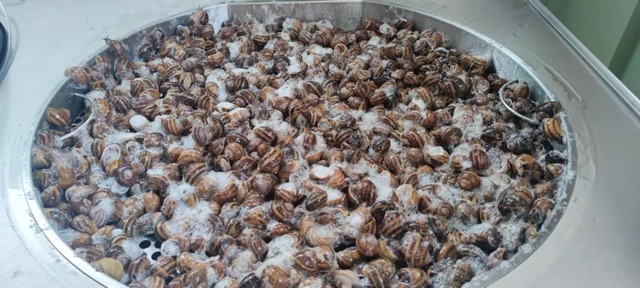
After harvesting the mucin, the snails return to the farm. Francesco advises that they can harvest mucin about five times per snail. Once the snails no longer produce mucin, Francesco sells them to chefs or restaurants for use as food.
Cosmetics and Beyond
Snail mucin is popular ingredient in serums, moisturizers, facial masks, and creams. Its ability to hydrate and condition the skin makes it feel softer and look smoother. Researchers are looking into its potential to improve the appearance of fine lines, uneven texture, acne marks, and pigmentation. While some preliminary clinical studies have been encouraging, the evidence varies and is not yet conclusive.
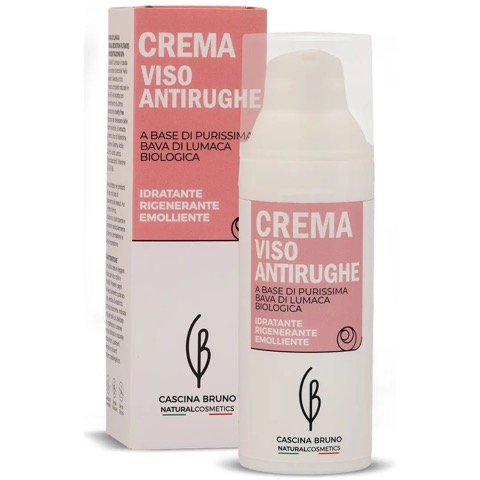
Scientists are also studying snail secretion for its possible role in wound healing and tissue repair. Some laboratory research suggests that something in the mucin encourage skin-cell growth, cell migration, inflammation repair, and antimicrobial activity. Studies are, however, ongoing and have not yet been completely verified.