
From the Alpine vineyards of Alto Adige to Sicily’s volcanic islands, discover Italian wines, the places behind them and what to serve when friends and family gather.
Every Italian wine tells a story of place. The mountains, the sea, the soil and the people who tend the vines all contribute something to what eventually reaches our glass. Italy’s 20 wine regions offer countless opportunities to discover the country’s diverse landscapes and traditions. As the holiday season approaches, we’re taking a journey from north to south, visiting a selection of wineries worth exploring and discovering bottles that bring those landscapes to the table. Whether you’re planning your next Italian adventure or celebrating closer to home, you don’t need to be a wine expert to appreciate a taste of place.
Alto Adige: Where Alpine Landscapes Meet the Vineyard
Our journey begins in northern Italy, with a recent Alto Adige wine and food seminar at Eataly Aventura in South Florida. The experience brought together regional wines, Speck Alto Adige PGI and local cheeses, offering a delicious reminder that understanding a wine often begins with understanding where it comes from.
In Alto Adige, vineyards grow among mountains and valleys, where warm sunshine meets cool Alpine air. The region produces wonderfully varied wines, from fresh, lively whites to elegant reds.Three wineries offer a glimpse into that diversity.
Cantina Kurtatsch
Region: Alto Adige, Northern Italy
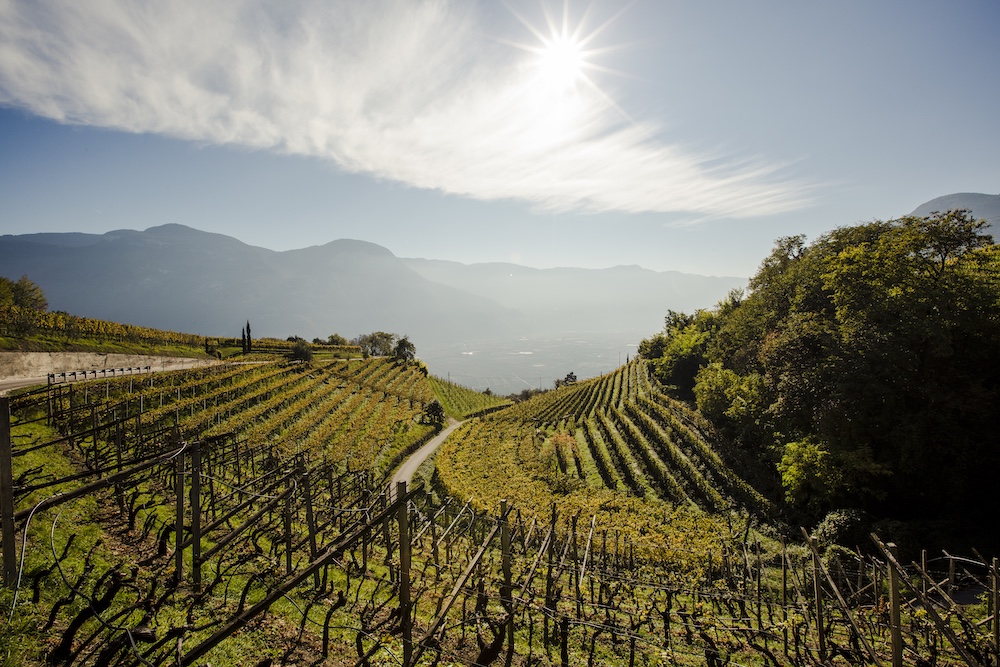
The vineyards of Cantina Kurtatsch stretch across different elevations, allowing grapes to develop distinctive personalities depending on where they’re grown. Its Kerner Selection comes from vineyards high in the mountains, where cooler temperatures help develop aromas of yellow peach and lilac. It’s a white wine with refreshing character, a little more depth than you might expect, and a long, pleasant finish.
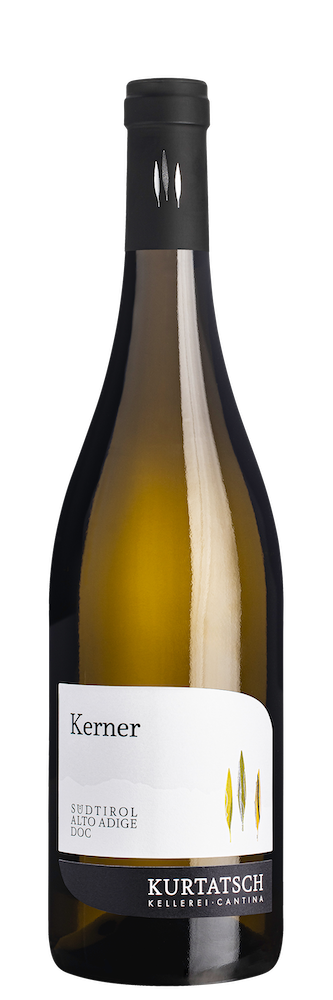
At the table: Try Kerner with grilled fish, roast chicken, seafood or lightly spiced Asian-inspired dishes. Its freshness makes it particularly versatile.
Visit the winery: For wine travelers, Cantina Kurtatsch offers an opportunity to explore how Alto Adige’s varied elevations and vineyard landscapes influence its wines, with guided tastings that bring the region’s character to life.
Erste+Neue
Region: Alto Adige, Northern Italy
Erste+Neue brings together generations of winemaking experience in one of Italy’s northernmost wine regions. Its Gewürztraminer is an expressive white wine, known for its floral aromas, ripe fruit and gentle spice. The grape thrives in Alto Adige’s sunny vineyards and cool mountain climate.
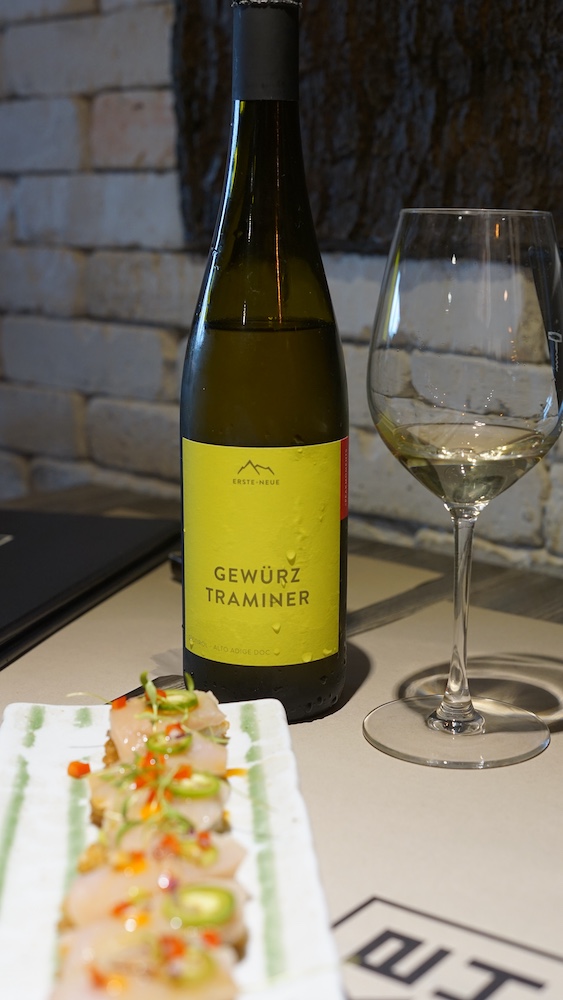
At the table: An inviting choice for aromatic dishes, Thai or other Asian-inspired cuisine, soft cheeses and holiday appetizers.
Rottensteiner
Region: Alto Adige, Northern Italy
Featured grape: Schiava
Family-run Rottensteiner has been producing wine since 1956, working with vineyards around Bolzano and Missiano. Its Schiava represents one of Alto Adige’s traditional red grapes, now enjoying a revival. Light in color, lively and gently spiced, it’s an easy-drinking red that can be enjoyed slightly chilled.
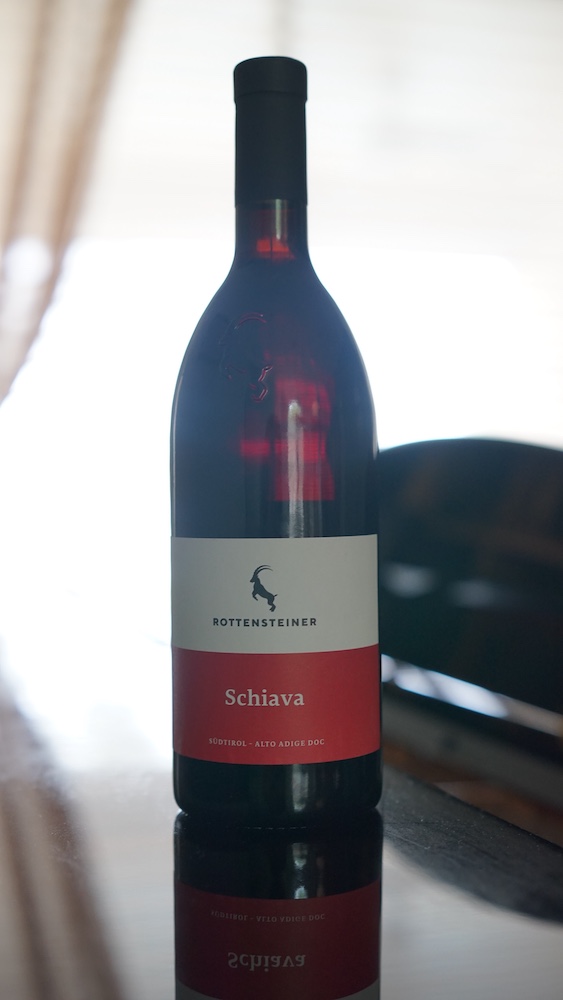
At the table: A natural match for Speck Alto Adige and other cold cuts, appetizers, roast poultry and grilled meats. It’s a versatile choice for holiday gatherings when several dishes are being served.
Visit the winery: Stop by Rottensteiner‘s wine shop to sample its selection and discover more about the family’s wines. For groups of up to 30, the winery also offers cellar tours with guided tastings by advance arrangement.
Piemonte: A Taste of Italy’s Wine Heritage
Montalbera
Region: Monferrato, Piemonte, Northwestern Italy
In the hills of Monferrato, Montalbera champions Ruchè, a distinctive red grape closely associated with Castagnole Monferrato. Unlike many familiar Italian reds, Ruchè can be wonderfully fragrant, with floral notes, red fruit and a hint of spice. The winery also produces Timorasso, a white grape from the nearby Derthona area, known for wines with more body and character than many people expect from a white.
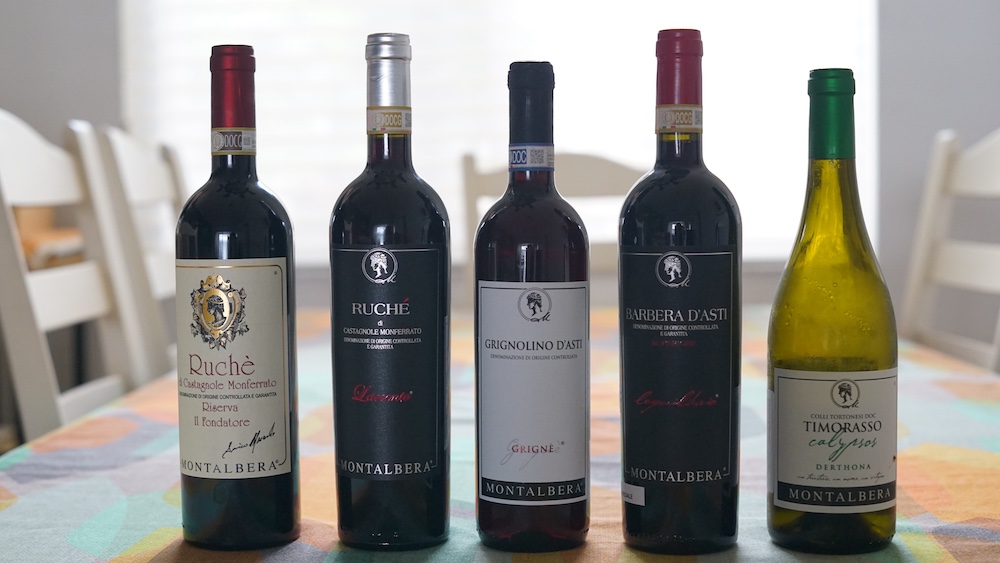
At the table: Enjoy Ruchè with roasted meats, aged cheeses or mushroom dishes. Timorasso is an excellent choice for richer fish preparations, poultry and creamy pasta.
Visit the winery: Montalbera invites visitors to experience Monferrato’s vineyard-covered hills through guided tours and wine tastings. For a longer stay, its Wine Suites and swimming pool overlook the vineyards, while a private restaurant offers food and wine pairings. A wine shop featuring older vintages completes the experience, making Montalbera a destination for travelers looking to slow down and enjoy the Piemonte countryside.
Veneto: Sparkling Wine from the Steep Hills of Valdobbiadene
Andreola
Region: Valdobbiadene, Veneto, Northeastern Italy
In the UNESCO-recognized hills of Conegliano and Valdobbiadene, growing grapes is anything but easy. Andreola’s vineyards rise along steep slopes, where much of the work must be done by hand. The winery is best known for its Valdobbiadene Prosecco Superiore DOCG, made primarily from Glera grapes, producing sparkling wines that are fresh, fruity and easy to enjoy.
Andreola also explores mountain winemaking in the Belluno Dolomites, producing wines from varieties including Riesling, Traminer, Chardonnay and Pinot Nero.
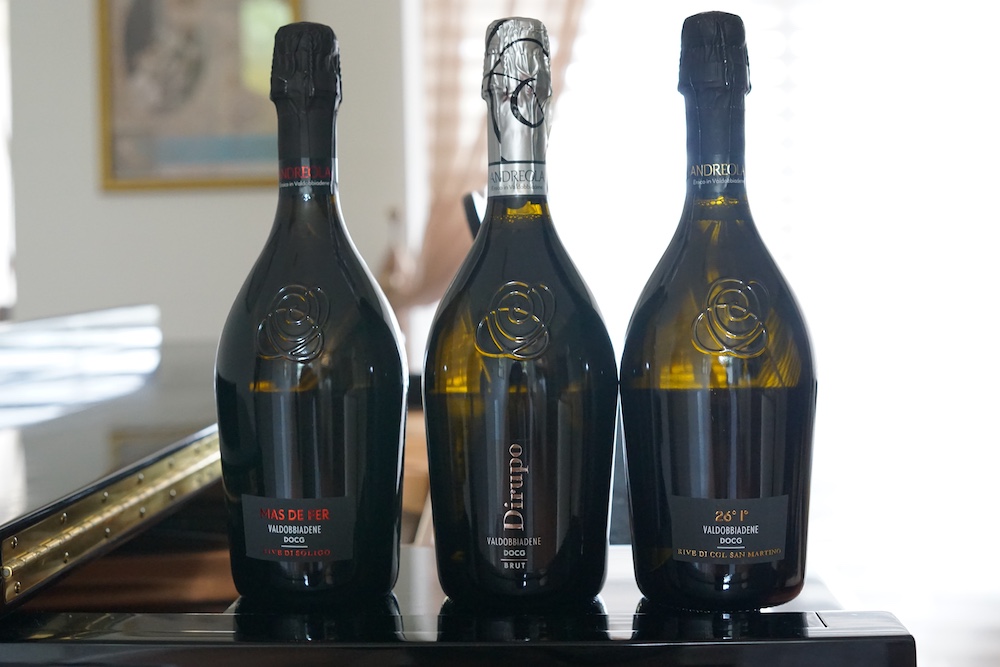
At the table: Valdobbiadene sparkling wine is ideal for aperitivo, seafood, appetizers and festive gatherings. It’s also a refreshing companion to fried foods and lighter Asian-inspired dishes.
Visit the winery: Andreola offers guided tours and tastings that introduce visitors to the steep, UNESCO-listed hills of Valdobbiadene and the art of sparkling winemaking. For a more leisurely experience, its Plus package includes a winery tour, an aperitif and lunch at a nearby restaurant, where traditional Veneto dishes are paired with Andreola wines.
Lombardy: Discovering the Hills of Oltrepò Pavese
La Genisia
Region: Oltrepò Pavese, Lombardy, Northern Italy
South of Milan, the rolling hills of Oltrepò Pavese are particularly well suited to Pinot Nero, known internationally as Pinot Noir. La Genisia produces both red wines and sparkling wines from this grape, showing how one variety can take on different personalities. Its sparkling wines are fresh and elegant, while its reds offer a more delicate expression of the grape.
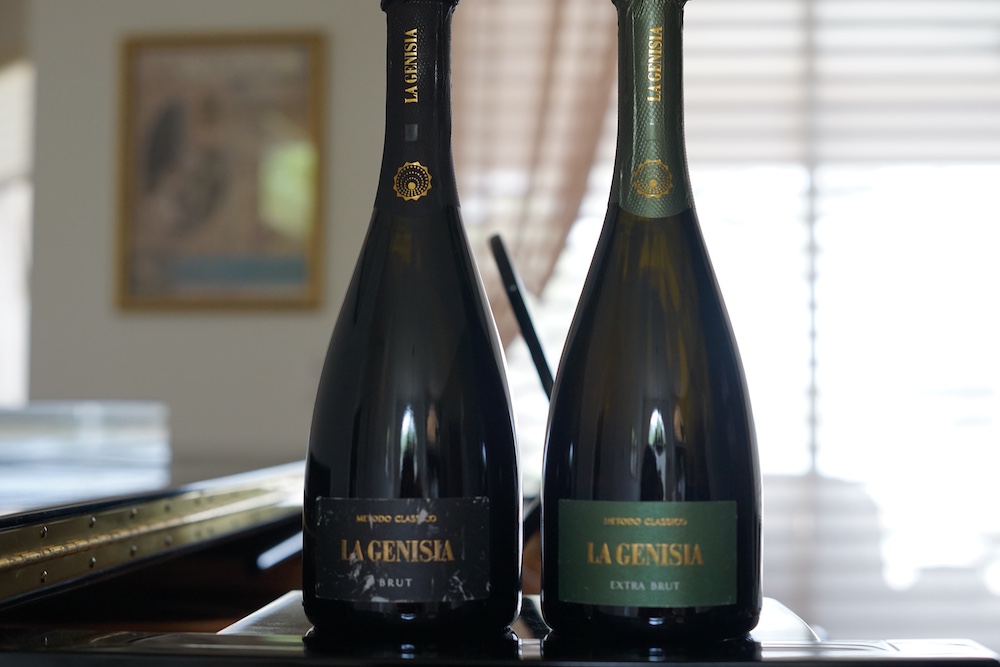
At the table: Sparkling Pinot Nero makes a lovely start to a holiday gathering, while the red pairs naturally with roast poultry, mushrooms and other savory dishes.
Visit the winery: At La Genisia‘s panoramic terrace, visitors can enjoy wine tastings overlooking the rolling vineyards of Oltrepò Pavese, with views reaching as far as Monte Rosa on clear days. Beyond the cellar, experiences include e-bike rides, horseback excursions and vineyard walks. For those looking to linger, the winery can also arrange activities such as thermal baths and personalized food and wine experiences.
“The most powerful sensation a wine can offer is the ability to tell the story of its place of origin.”
— Simone Fiori, Winemaker, La Genisia
Tuscany: A Rosé with a Coastal Personality
Frescobaldi — Tenuta Ammiraglia
Region: Maremma, Tuscany, Central Italy
Tuscany may be famous for its red wines, but its coastal vineyards have another story to tell. At Tenuta Ammiraglia in Maremma, the nearby Mediterranean Sea helps shape the character of the wines.
Alìe, the estate’s pale rosé, is made primarily from Syrah with Vermentino. Fresh and delicate, it offers red-berry and citrus notes that make it equally appealing as an aperitif or alongside food.
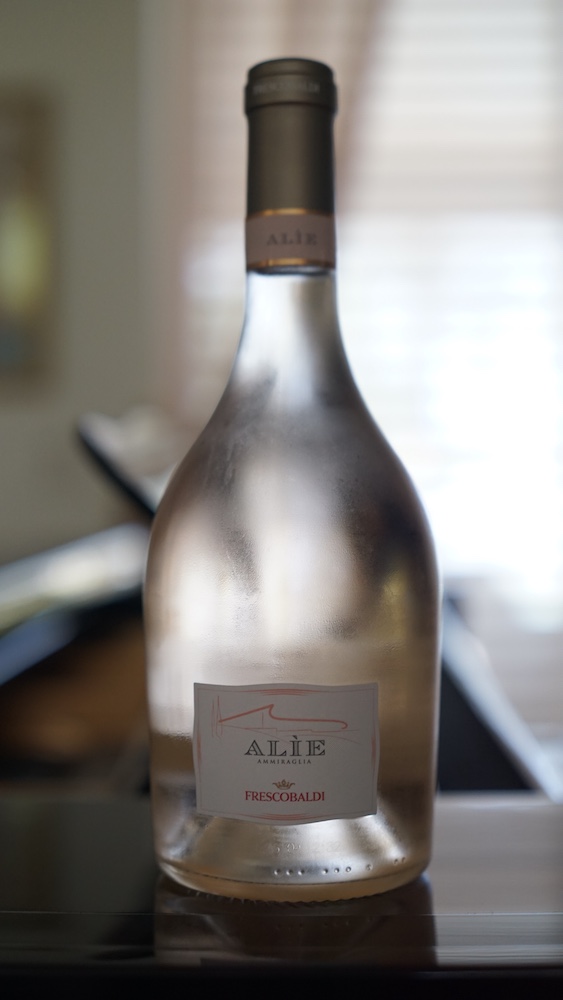
At the table: Serve with seafood, grilled vegetables, Mediterranean appetizers or sushi. Its versatility also makes it an enjoyable choice for a relaxed holiday gathering.
Vecchie Terre di Montefili
Region: Chianti Classico, Tuscany, Central Italy
High in the hills between Greve in Chianti and Panzano, Vecchie Terre di Montefili specializes in Sangiovese, the red grape at the heart of Chianti Classico. Its wines range from fresh, approachable reds with cherry and berry flavors to richer selections with spice and earthy notes. The estate places particular importance on organic farming and protecting vineyard biodiversity.
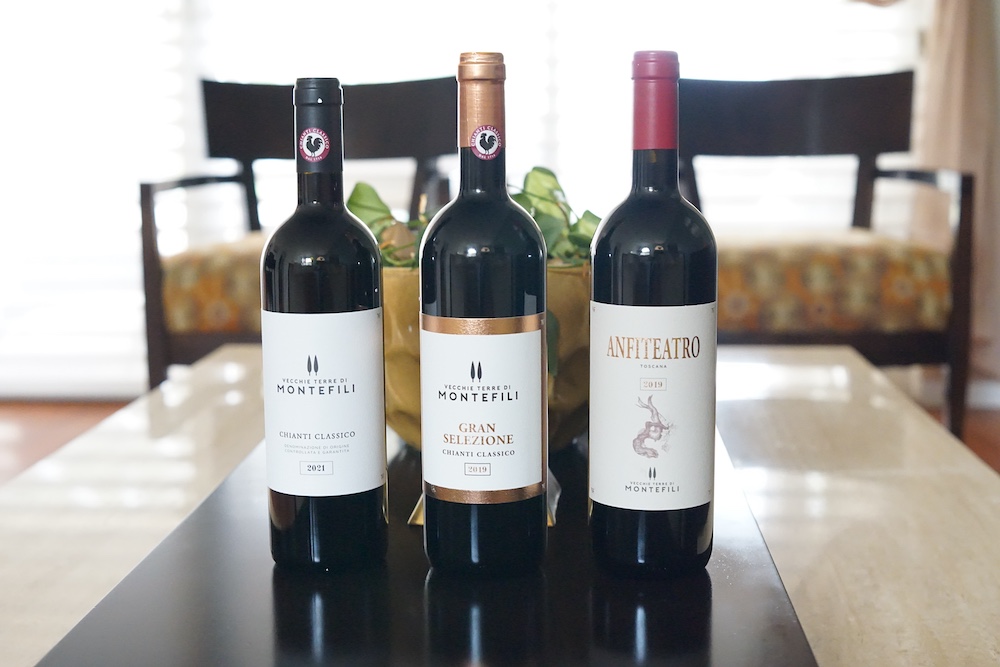
At the table: Enjoy Chianti Classico with tomato-based pasta, roasted meats, mushrooms or aged cheeses. Its brighter styles also pair beautifully with a traditional Tuscan meal.
Visit the winery: Montefili welcomes visitors year-round for guided tours and tastings in the heart of Chianti Classico. Explore the vineyards and historic cellar, home to some of the estate’s most prestigious vintages, then enjoy the wines from a panoramic terrace overlooking the Tuscan countryside.
Sicily: Wine Shaped by the Sea and Volcanoes
Tenuta di Castellaro
Region: Lipari, Aeolian Islands, Sicily, Southern Italy
On the volcanic island of Lipari, Tenuta di Castellaro produces wines shaped by mineral-rich soils, Mediterranean sunshine and sea breezes. Indigenous grape varieties such as Malvasia delle Lipari and Corinto Nero reflect the islands’ distinctive winemaking heritage.
Its wines offer an opportunity to explore Sicily beyond the mainland, from fresh whites suited to seafood to expressive reds and the region’s traditional aromatic wines.
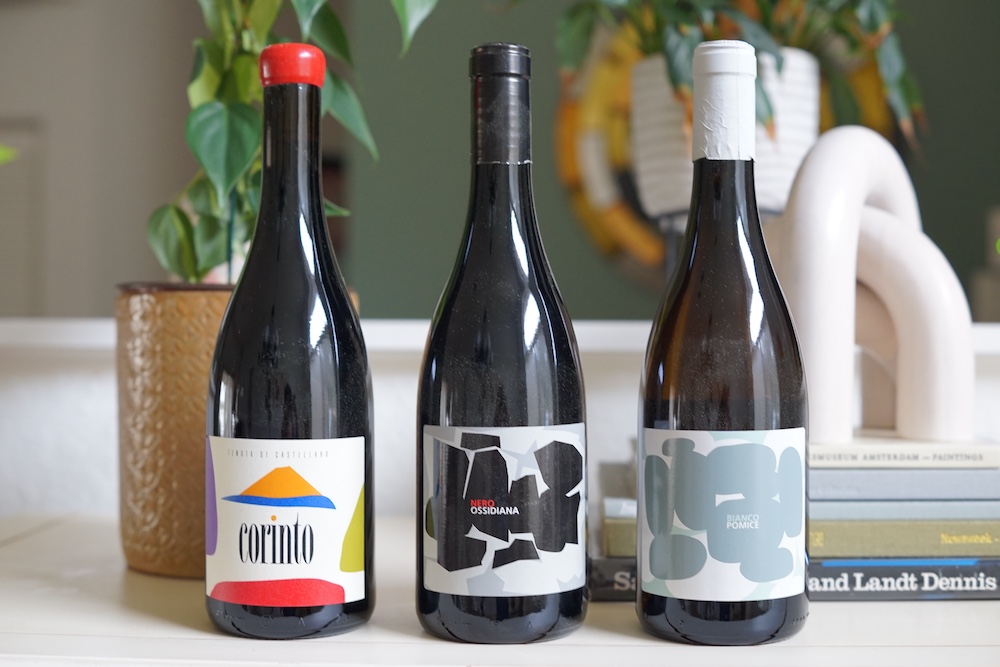
At the table: Pair the whites with fish, shellfish and Mediterranean dishes; explore the reds with roasted vegetables, savory preparations and grilled meats.
Visit the winery: Tenuta di Castellaro invites visitors to experience Lipari’s volcanic landscape through vineyard picnics overlooking the Aeolian Islands, sunset wine tastings and cooking classes celebrating local cuisine. For those wishing to stay longer, its Wine Resort has transformed three ancient ruins into elegant, private residences surrounded by vineyards. Each features an outdoor lava-stone tub, offering a peaceful retreat in one of Italy’s most remarkable island settings.
Calabria: Discovering a Region Through Its Wines
Librandi
Region: Cirò Marina, Calabria, Southern Italy
For three generations, the Librandi family has helped shape Calabria’s winemaking identity, particularly through Gaglioppo, the indigenous red grape behind its celebrated Cirò wines. Its range includes fresh whites, rosés and reds, from approachable everyday bottles to more structured wines such as Gravello and Duca Sanfelice.
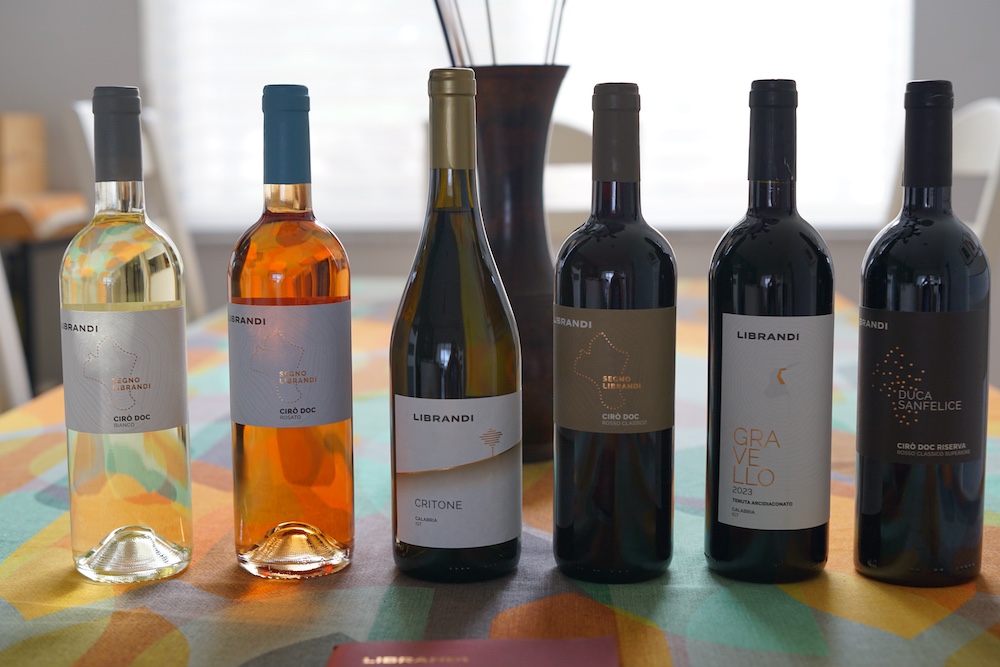
At the table: Try Cirò Bianco with fried fish, Cirò Rosato with octopus, and Duca Sanfelice with roasted pork.
Visit the winery: At Librandi, visitors can explore the vineyards, enjoy guided tastings and discover the family’s work preserving nearly 200 indigenous grape varieties. Longer experiences include the Rosaneti estate, its Museum of Agriculture and Viticulture, and vineyard excursions.
Discover more about the family, its wines and Calabria’s cultural heritage in our cover interview, “Paolo Librandi: Where Wine, Philosophy and Calabria Meet.”
Bringing Italy to the Holiday Table
You don’t need to travel across Italy to begin discovering its wine regions. A bottle of Alpine white wine, a fragrant Piemonte red, sparkling wine from Valdobbiadene or a Sicilian wine shaped by the sea can become the starting point for a memorable meal.
And while Italian wines naturally complement their regional cuisines, they’re equally at home alongside dishes from around the world. Sometimes the most interesting pairing is the one you didn’t expect.
This holiday season, consider choosing a wine not simply by its grape or familiar label, but by the place it comes from. Read about the region, imagine the landscape and share that story around the table.
Because discovering Italy’s wines isn’t about knowing everything in advance. It’s about being curious enough to take the first sip.
Author