
As Venice prepares to welcome the 61st International Art Exhibition of La Biennale di Venezia on May 9, 2026, this year’s edition arrives with both anticipation and reflection. The global art community continues to mourn the recent passing of curator Koyo Kouoh, whose vision helped shape Biennale Arte 2026 before her untimely death in early May.
Appointed curator in 2024, Kouoh approached the Biennale with intellectual depth and a strong sense of human connection. The exhibition’s title and theme presentation had been scheduled for May 20 in Venice. Although her passing leaves a profound void, her curatorial direction continues to guide the exhibition forward.
In a statement released by La Biennale di Venezia, President Pietrangelo Buttafuoco described In Minor Keys as “an exhibition permeated with spirit, with a sacredness that puts the person, the human being, back at the heart of things.” He also reflected on Koyo Kouoh’s curatorial vision as one that “reappraises human relationships” and invites viewers “back to the Earth, to our bodies and our senses.”
Those ideas feel particularly resonant throughout this year’s Biennale. Several projects on our radar explore perception, memory, sound, accessibility, and the ways contemporary art encourages viewers to slow down and reconsider how they experience the world.
Caroline Gueye’s WURUS at the Senegal Pavilion
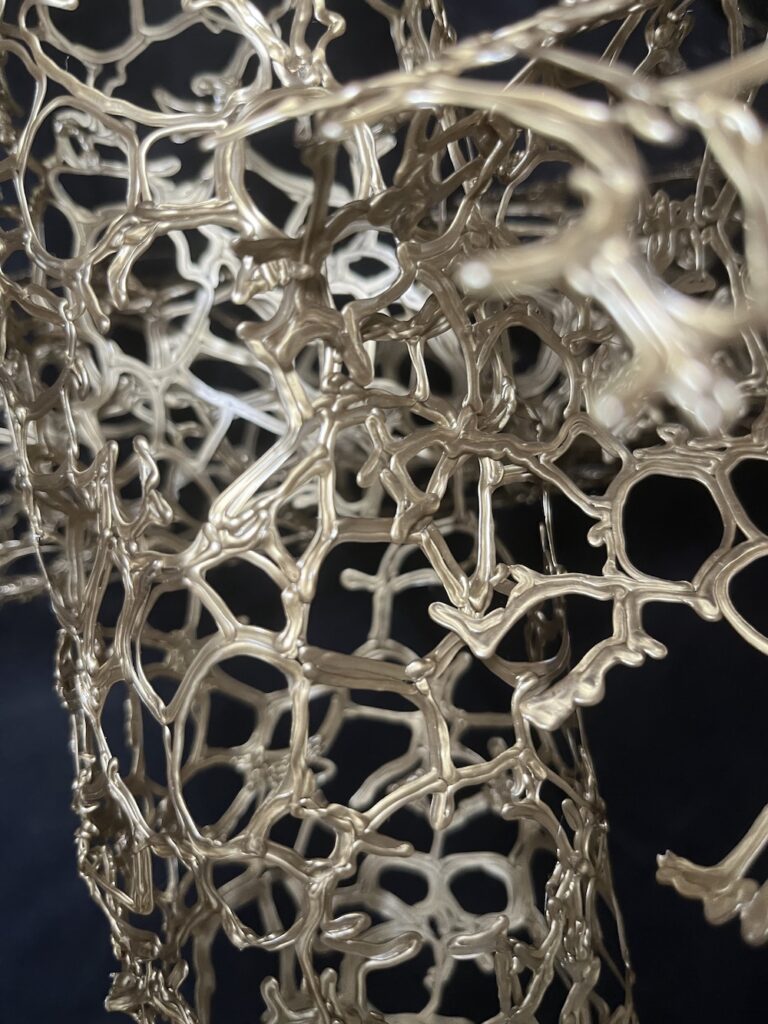
At the Senegal Pavilion inside Palazzo Navagero, Senegalese artist Caroline Gueye presents WURUS, an installation that examines gold, perception, and the construction of value. The title refers to the Wolof word for gold and draws inspiration from the legacy of Mansa Musa, the 14th-century ruler of the Mali Empire whose wealth became legendary.
Rather than focusing solely on material wealth, Gueye explores how value changes according to movement, position, and perception. Brass structures, reflections, shadows, and layered spatial elements encourage visitors to experience the work differently depending on where they stand.
The artist, who works between Dakar and Europe, combines sculpture, installation, and scientific thinking in ways that feel both rigorous and poetic. Her background in astrophysics informs a practice centered on spatial relationships and shifting perspectives.
Curated by Massamba Mbaye, WURUS also reflects broader conversations surrounding contemporary African aesthetics and cultural memory. The project opens May 6 and runs through November 22, 2026. www.labiennale.org
Sound, Accessibility, and Environmental Awareness
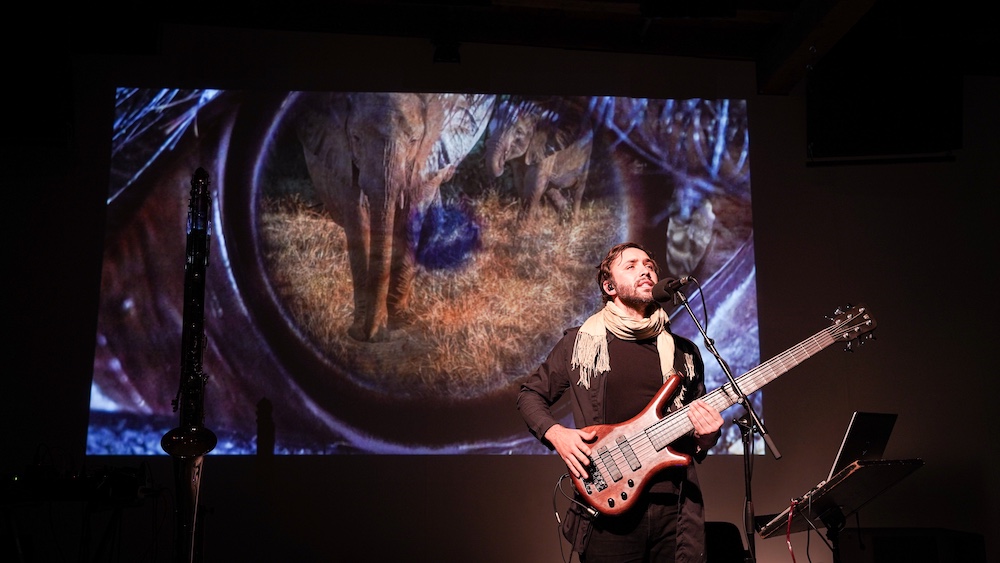
Beyond traditional exhibition formats, this year’s Biennale also highlights immersive and interdisciplinary experiences. One installation that stands out explores communication through elephant infrasound and sensory perception across different levels of hearing.
The project combines sound, environmental awareness, and accessibility. As a result, visitors are encouraged to think about listening not simply as hearing, but as a physical and emotional experience shared through vibration, space, and movement.
The installation also reflects a growing interest within contemporary art and architecture in creating more inclusive cultural environments. In Venice, these conversations feel particularly relevant. The city itself encourages slower observation, quiet movement, and attention to atmosphere.
Rather than overwhelming viewers, works like this invite contemplation. They also reinforce the Biennale’s role as a platform where art, science, ecology, and accessibility increasingly intersect.
Still Lifes Across Generations
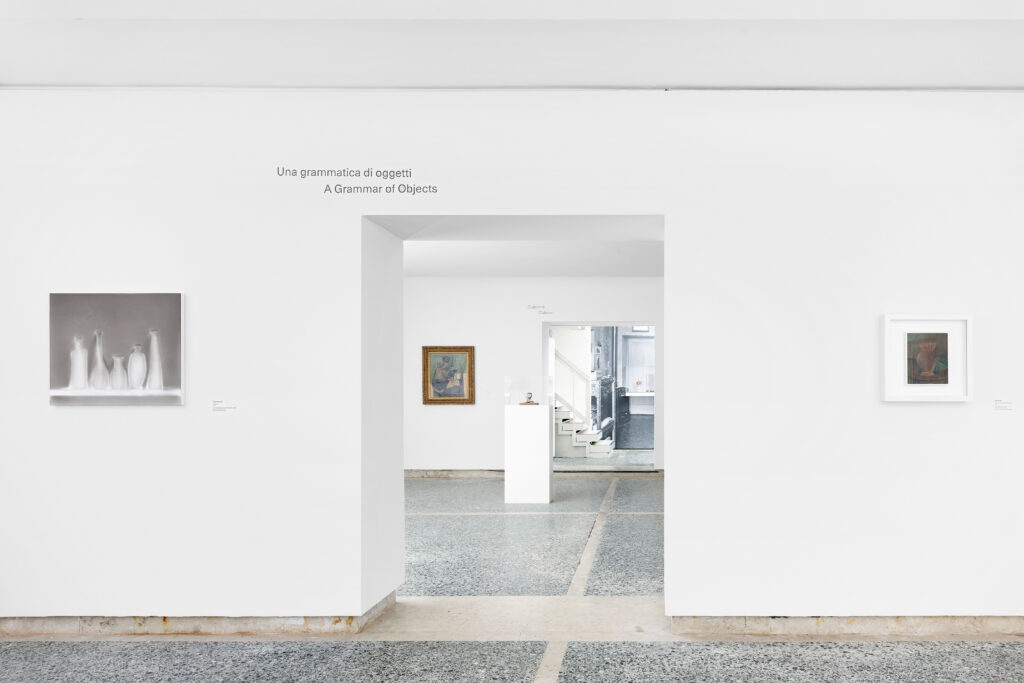
Elsewhere in Venice, exhibitions unfolding alongside the Biennale continue to deepen the citywide cultural dialogue. Among them is a presentation dedicated to still life works by Pablo Picasso, Giorgio Morandi, and Claudio Parmiggiani.
Although separated by generations and artistic movements, the three artists share an interest in silence, material presence, and the emotional weight of ordinary objects. Their works reward close attention rather than spectacle.
In many ways, this quieter approach mirrors the atmosphere Venice offers during the Biennale itself. Beyond the major pavilions and crowds, the city continues to reveal moments of stillness through smaller exhibitions, historic interiors, and unexpected encounters across its neighborhoods.
www.tornabuoniart.com | www.still-lifes-venice.com/
Visiting Venice During the Biennale
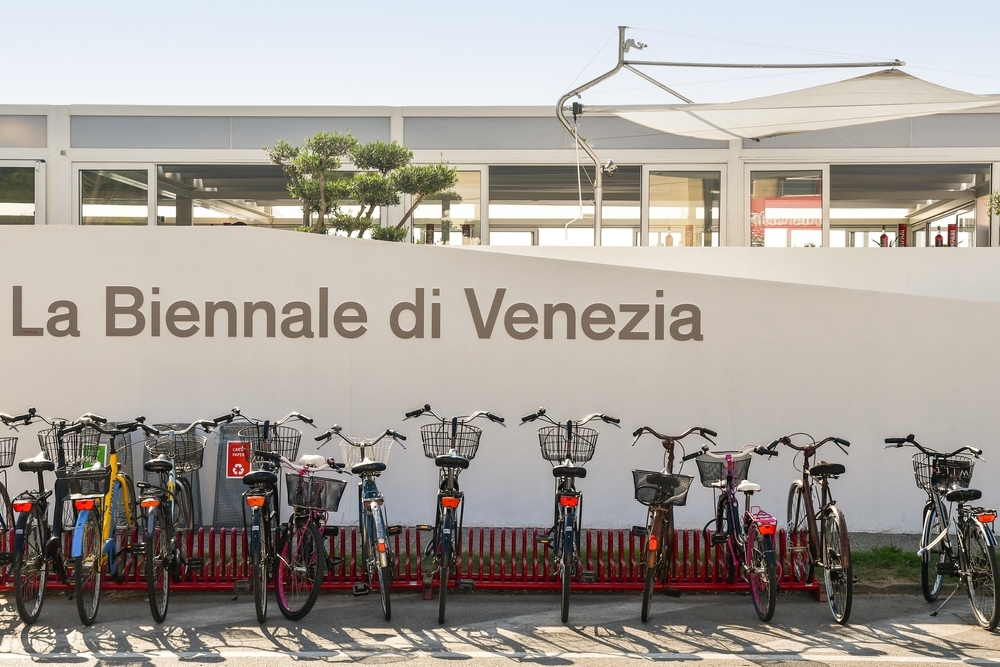
For travelers planning to visit Venice during Biennale Arte 2026, allowing extra time beyond the main exhibition spaces is essential. While the Giardini and Arsenale remain central destinations, many meaningful discoveries happen elsewhere in the city.
National pavilions, independent exhibitions, and historic palazzi unfold across Venice’s labyrinth of canals and narrow streets. Consequently, the experience becomes as much about movement through the city as the exhibitions themselves.
Early mornings often offer the quietest moments. Meanwhile, evenings allow Venice to return to a slower rhythm after the crowds disperse.
This year especially, the Biennale feels shaped by reflection, perception, and human connection. Through ambitious installations, contemplative exhibitions, and Kouoh’s enduring curatorial vision, Venice once again reminds visitors that art is not only something to observe. It is also something to experience slowly, collectively, and in dialogue with the world around us.