
Planning a trip to Europe? The European Union is introducing new border procedures that travelers should understand before departure. The Entry/Exit System (EES) is now being implemented across the Schengen Area, while the European Travel Information and Authorization System (ETIAS) is expected to launch later in 2026. Here’s what travelers should know before their next trip to Europe.
What Is the Entry/Exit System (EES)?
The EES registers biometric and biographic data of third‑country nationals crossing external Schengen borders. It replaces manual passport stamping and captures fingerprints and a facial image which logs a traveler’s entry/exit dates.
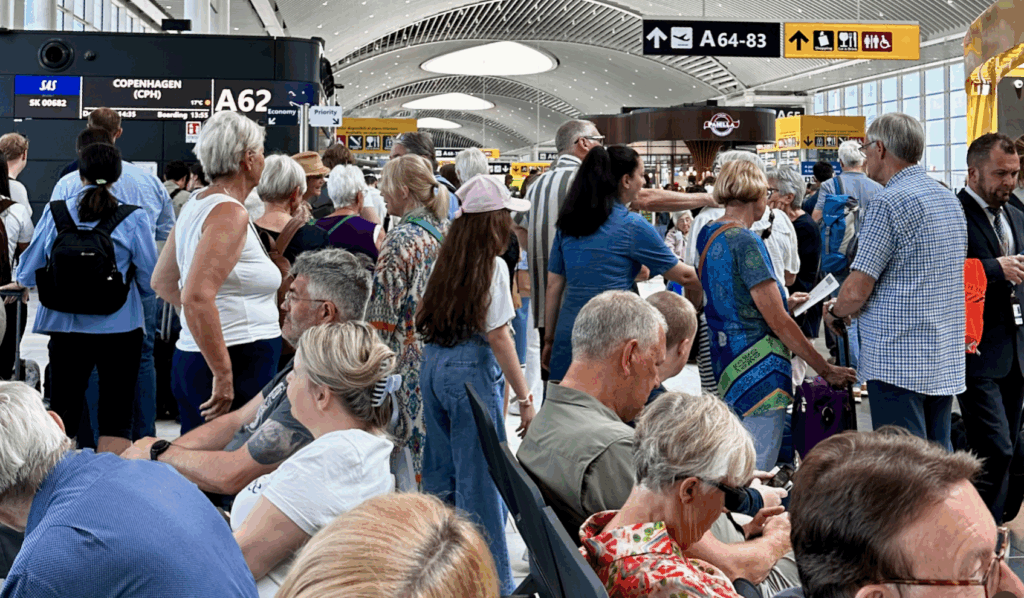
Since EES began rolling out, many airports have experienced longer passenger processing times at external borders. Capturing fingerprints and photos for each traveler takes a bit more time. New hardware and software rollouts; increased time for cross‑checks against multiple EU databases; and procedural changes have all caused delays in arrivals.
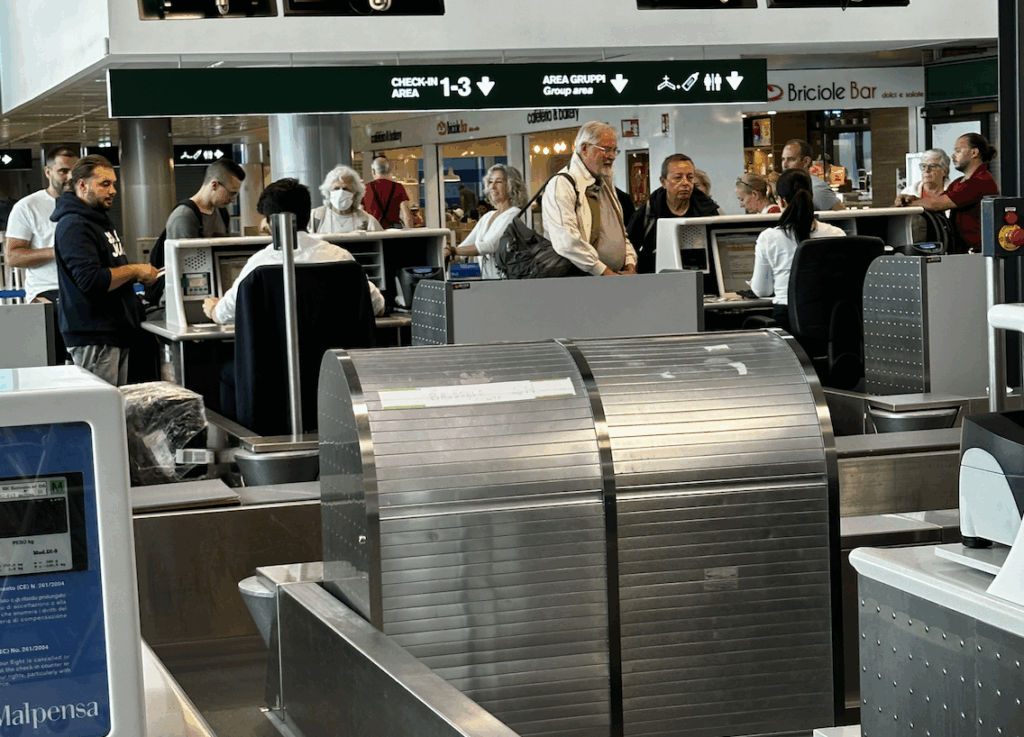
While airports and border authorities have implemented measures to reduce delays, they have found that they need to do more. Airlines are increasing pre‑departure checks and passenger communications to ensure documents and authorizations are valid before travelers arrive at the airport.
How EES Is Affecting Italian Airports
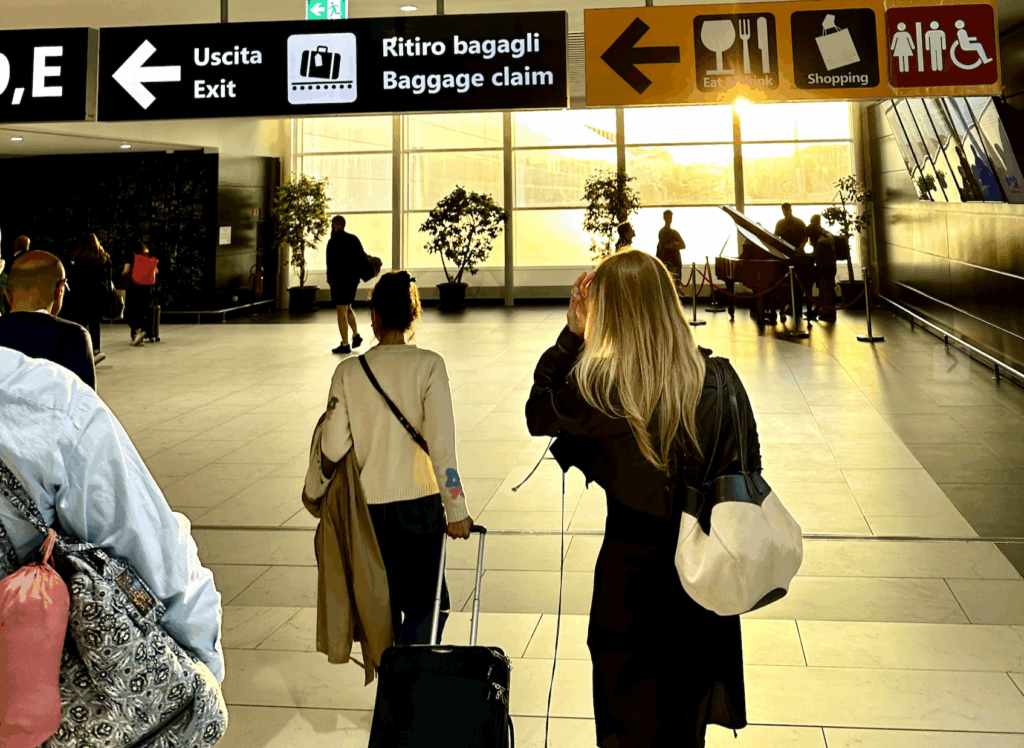
Passengers arriving in Rome and Milan have faced longer processing times at external borders due to EES. Taking fingerprints and photos, additional database checks, occasional technical glitches, and staff training have slowed down entry. In response, authorities have opened dedicated lanes, added counters, and deployed extra IT support. Travelers should still allow extra time for arrivals and departures—especially at peak hours—and notify airlines early if they have tight connections.
What Is ETIAS?
ETIAS, the electronic pre‑travel authorization for visa‑exempt travelers visiting the Schengen Area for short stays is not yet operational. Scheduled to go into effect in the fourth quarter of 2026, ETIAS is still undergoing intensive final testing and rehearsals. Having learned from the EES rollout , the commission wants the ETIAS rollout to be smoother and with fewer border disruptions.
As of this writing, ETIAS is not active. The commission will announce the definitive launch date several months in advance. Travelers will need to apply online through the official ETIAS portal once it is active. Apply well before travel to allow time for any additional checks.
Travel Tips Before Visiting Europe
Expect slightly longer processing times at external Schengen borders while systems stabilize. Arrive earlier than usual for international departures, complete ETIAS (when active) and check passport validity well in advance, and follow carrier instructions about pre‑boarding checks. Travelers with special needs or tight connections should communicate with airlines in advance and allow extra transfer time.