
A Different Side of Italy, Just North of Rome

When travelers think of central Italy, Tuscany and Umbria often come to mind first. However, just north of Rome lies Tuscia, a lesser-known region rich in history, craftsmanship, and quiet beauty.
Here, Renaissance villas rise from volcanic landscapes, and traditions continue through the hands of local artisans. While the region remains under the radar, projects like Contemporary Roots are bringing it into focus in a meaningful way.
Where Craft Meets Renaissance Heritage
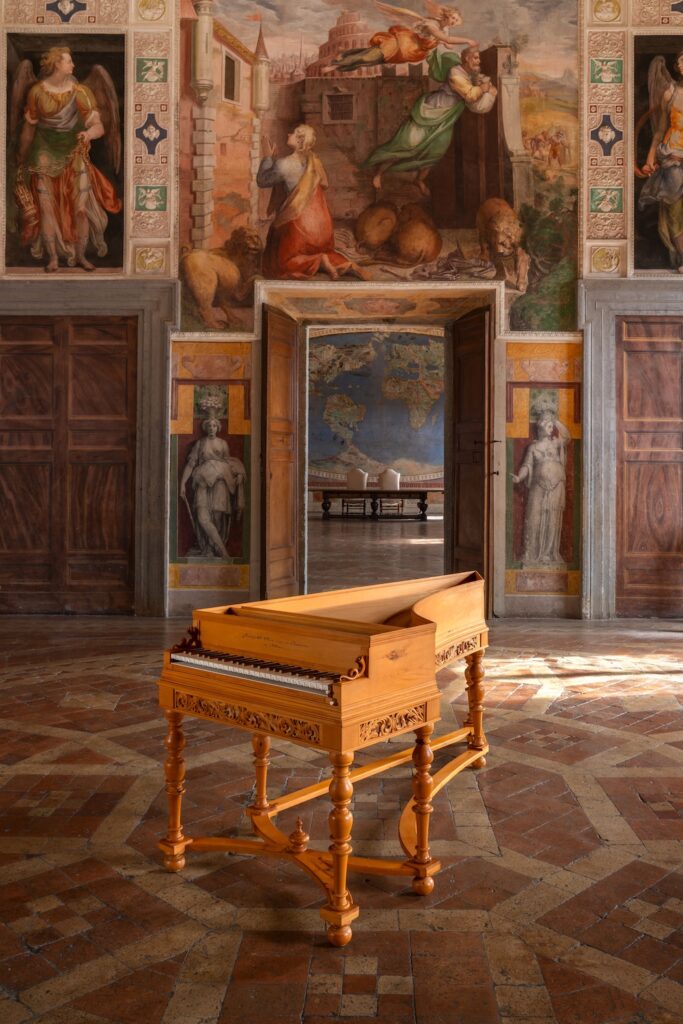
This spring, Contemporary Roots transforms two of Tuscia’s most iconic landmarks—Villa Lante in Bagnaia and Palazzo Farnese in Caprarola—into living showcases of Italian craftsmanship.
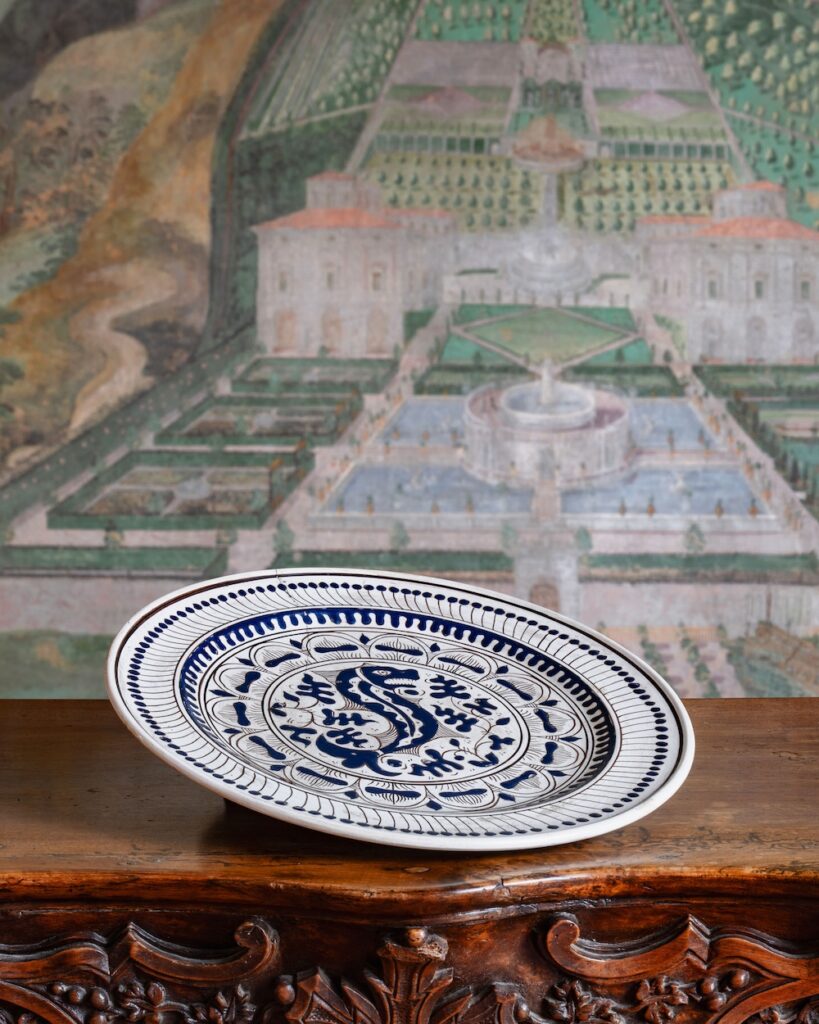
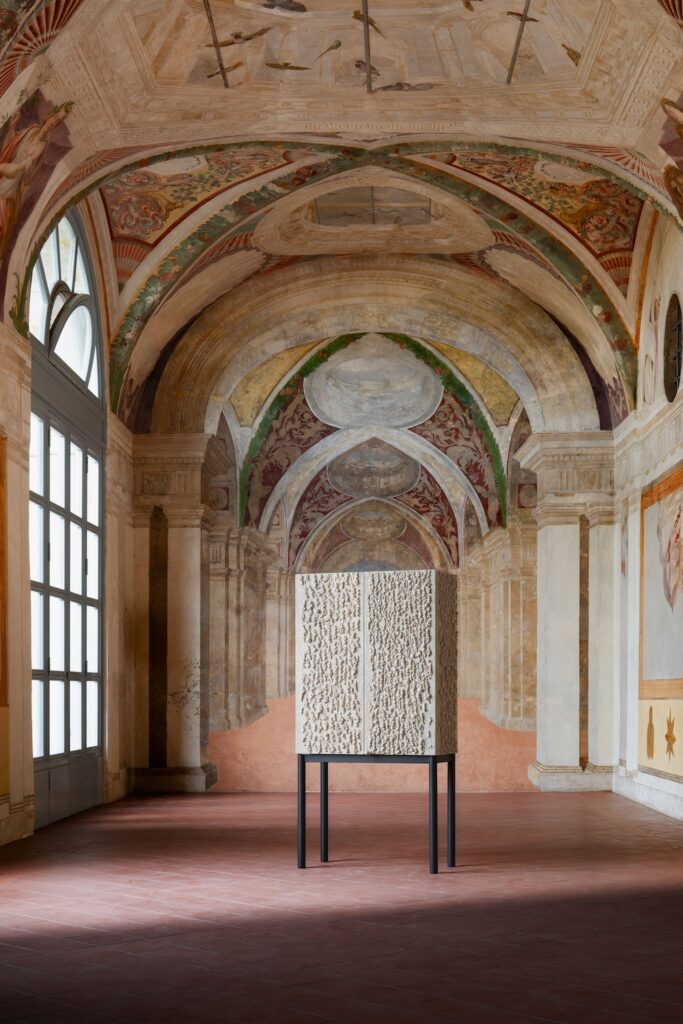
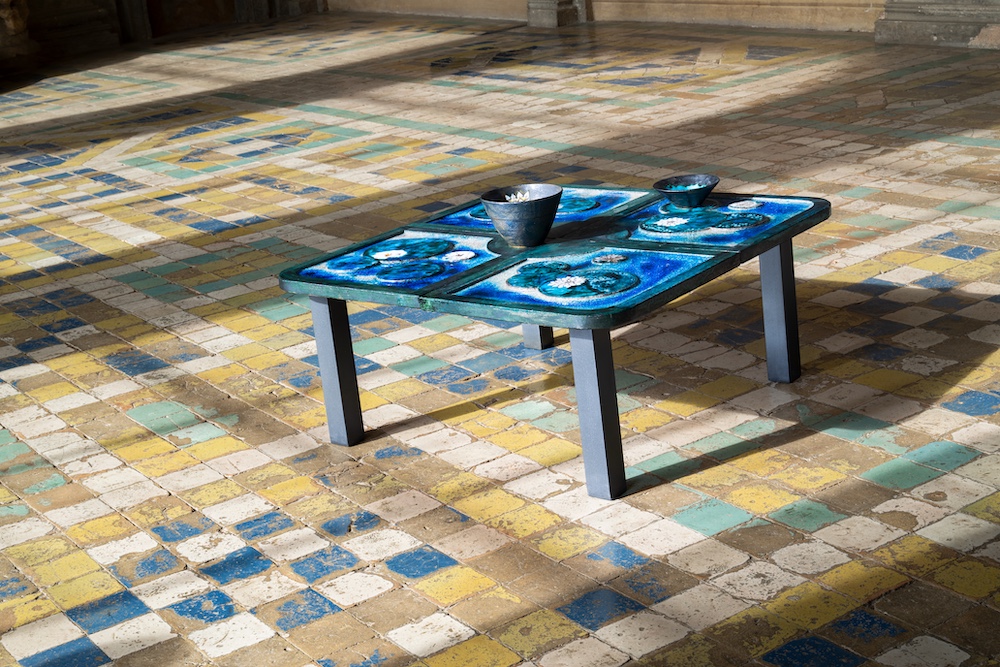
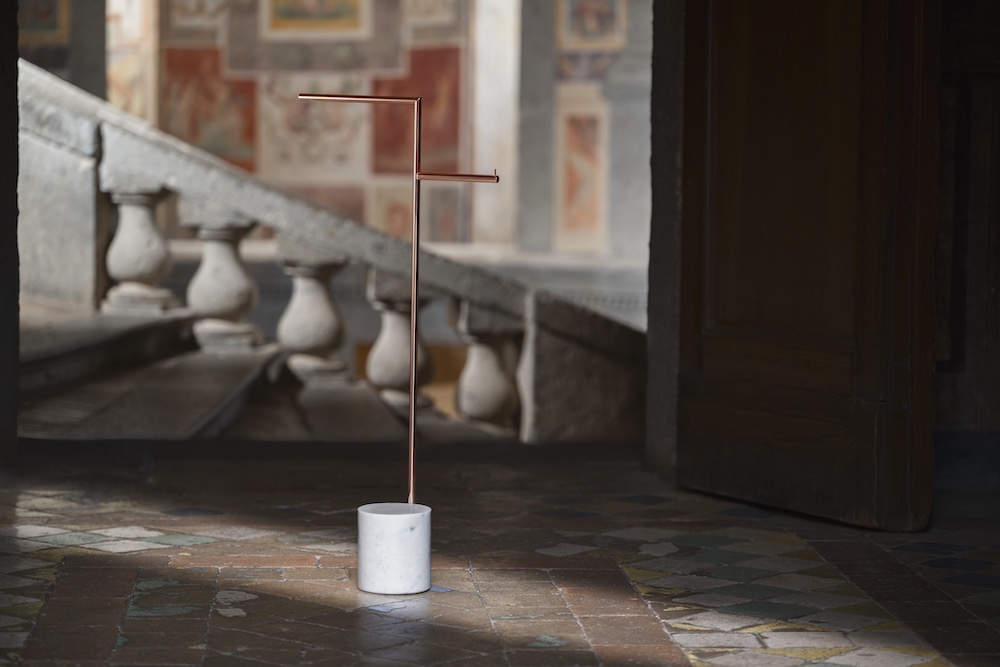
Rather than a traditional exhibition, the project creates a dialogue between past and present. Contemporary objects are placed within historic spaces, allowing visitors to experience both simultaneously.
As a result, ceramics, wood, textiles, and metalworks take on new meaning. They are no longer just objects. Instead, they become part of a larger story rooted in Italian identity and continuity.
Daniela Lai
Nine Artisans, Nine Stories
At the heart of the project are nine artisans from central Italy. Each brings a unique perspective shaped by both tradition and innovation.
Some work with clay, reviving centuries-old ceramic techniques such as zaffera decoration. Others shape reclaimed wood into contemporary furniture, giving new life to materials deeply connected to the land.
In addition, tailoring, jewelry design, and collectible furnishings highlight the diversity of Tuscia’s creative landscape. Every piece reflects a balance between heritage and modern expression.
Together, these artisans represent more than craftsmanship. They embody a way of thinking—one that values detail, material, and the passage of time.
Tuscia: Italy’s Hidden Cultural Landscape
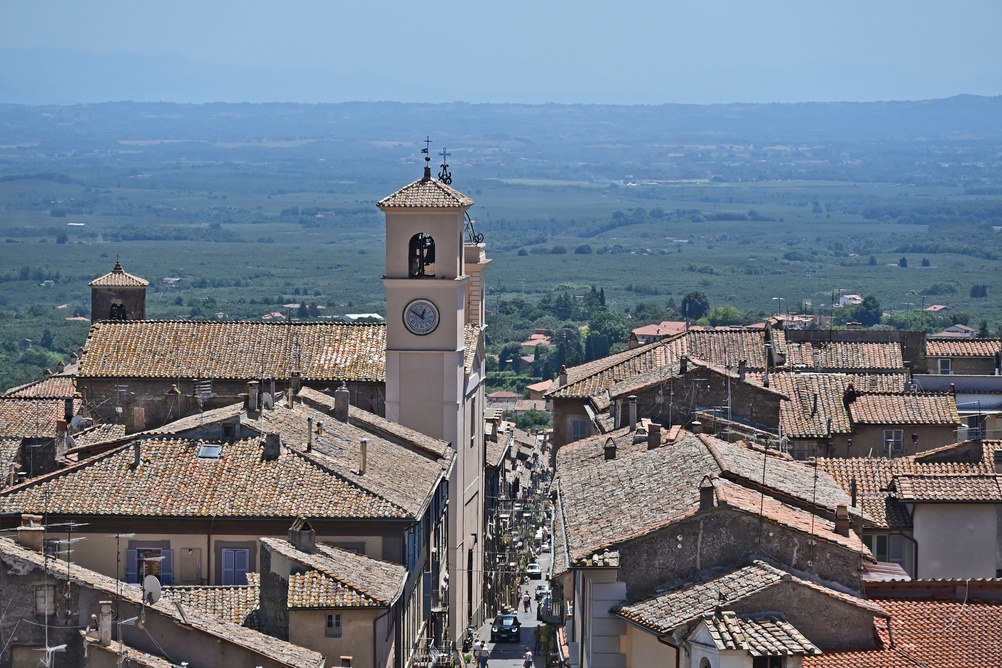
Beyond the exhibition itself, Tuscia plays a central role in the experience. The region stretches across northern Lazio and includes historic towns, rolling hills, and landscapes shaped by volcanic stone and clay.
Because of this, craftsmanship here is deeply tied to place. Materials are local. Techniques are inherited. And creativity evolves without losing its roots.
Unlike more crowded destinations, Tuscia invites a slower pace. Visitors can explore Renaissance gardens, walk through quiet villages, and discover artisan workshops without the pressure of mass tourism.
In many ways, it offers a more intimate version of Italy—one that feels both authentic and timeless.
A New Way to Experience Italy
Today, travelers are increasingly looking for meaningful experiences. According to recent trends, more people want to connect with local culture rather than simply visit landmarks.
Contemporary Roots responds to this shift. Instead of presenting art in isolation, it places craftsmanship within its natural context—architecture, history, and territory.
Consequently, visitors are encouraged to look beyond aesthetics. They begin to understand the relationship between objects, places, and people.
This approach transforms a simple visit into a deeper cultural experience.
Why Tuscia Should Be on Your Radar
If you are planning your next trip to Italy, Tuscia offers something different. It combines art, history, and craftsmanship in a way that feels both grounded and inspiring.
Moreover, its proximity to Rome makes it easy to reach, yet it remains largely undiscovered by international travelers.
Whether you are drawn to Renaissance architecture, artisan traditions, or simply the desire to explore beyond the usual routes, Tuscia delivers a richer perspective on Italy.
Plan Your Visit
Contemporary Roots is more than an exhibition. It is an invitation to experience Italy through its materials, its makers, and its enduring cultural heritage.
If you are looking to go beyond the expected, consider adding Tuscia to your itinerary.
Discover more and start planning your visit: www.contemporaryroots.it