
In Friuli-Venezia Giulia, Italy feels different. The landscape shifts quickly— from alpine peaks to vineyard-covered hills, from historic towns to quiet stretches of coastline—and so does the culture. Influenced by neighboring Austria and Slovenia, the region carries a distinct identity, one that reveals itself gradually through its food, its traditions, and its people. It’s not a place that announces itself loudly, nor one that fits neatly into the typical Italian itinerary.
For travelers who have already traced the well-worn paths through Rome’s ancient streets or floated beneath Venice’s bridges, this difference offers something valuable: Italy without the weight of expectation. And for those planning their first Italian journey, Friuli presents an opportunity to encounter the country on its own terms rather than through the lens of accumulated imagery and assumptions.
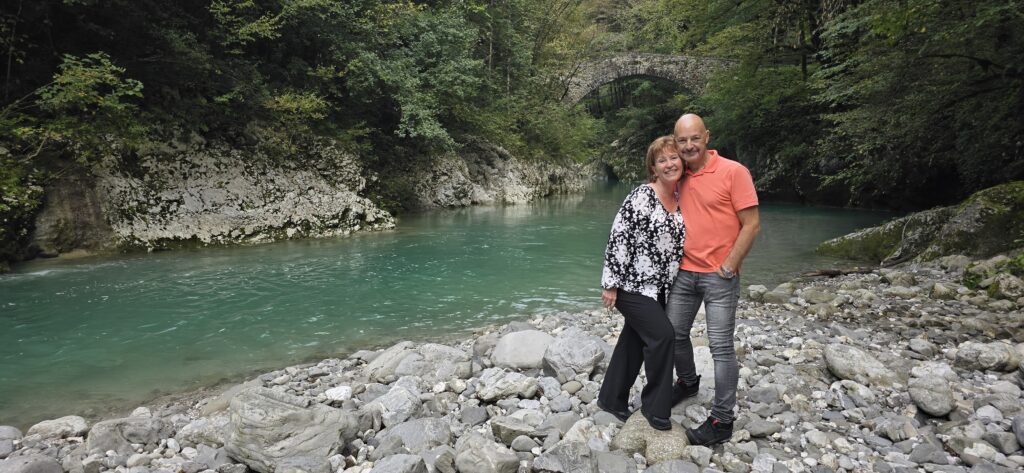
For Audrey and Manlio De Monte of Travels with Audrey, that’s precisely the point. Their journeys are designed for travelers willing to step beyond expectation and into experience—where a meal in a family-run osteria, a conversation with a local artisan, or a walk through a historic landscape becomes the highlight, not the backdrop.
Where do you go when you want Italy to surprise you again? When you’re ready for something more than recognition? When you want more than just seeing what you came to see? The answer may lie not in seeking the undiscovered, but in finding places that simply exist without seeking to be found.
Friuli: The Italy That Doesn’t Perform
As Audrey observes, Friuli is “…a little Italy all rolled into one, with one difference—it does not look to be found.” This isn’t another “hidden gem” story. Friuli doesn’t hide—it lives. Here, mountain valleys cradle vineyards that have been tended by the same families for generations. Medieval hilltop towns conduct their daily business in dialects that blend Italian with Slavic and Germanic roots. Restaurants serve dishes that reflect centuries of cultural exchange, where Austrian strudel sits comfortably alongside Italian risotto, and local wines carry names that sound more Slovenian than Italian.
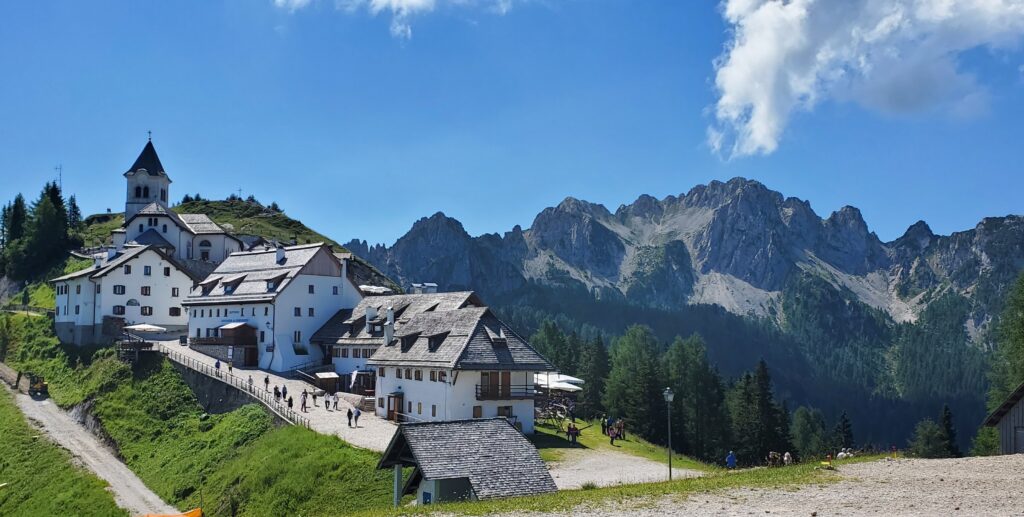
What makes Friuli compelling isn’t its obscurity, but its richness. It offers the full spectrum of Italian experience—dramatic landscapes, profound cuisine, deep cultural traditions—without the self-consciousness that comes with being perpetually on display. The region carries an identity shaped by history rather than tourism, by necessity rather than narrative.
The cultural layering here runs deeper than architectural styles or menu items. It’s audible in conversations that slip seamlessly between languages, visible in family names that reflect centuries of border changes, tangible in traditions that blend Italian warmth with Austrian precision and Slavic resilience. This isn’t fusion; it’s evolution, the natural result of cultures meeting and mingling for generations.
Living the Landscape: The Insider’s Natural Advantage
When Audrey and her husband Manlio guide travelers through Friuli, they’re not constructing an experience—they’re sharing their daily reality. Manlio, born in the region and fluent in Friulano, moves through this world with the ease of someone who belongs. Their network isn’t professional; it’s personal. The vintner who opens his private cellar isn’t doing them a favor —he’s welcoming friends.
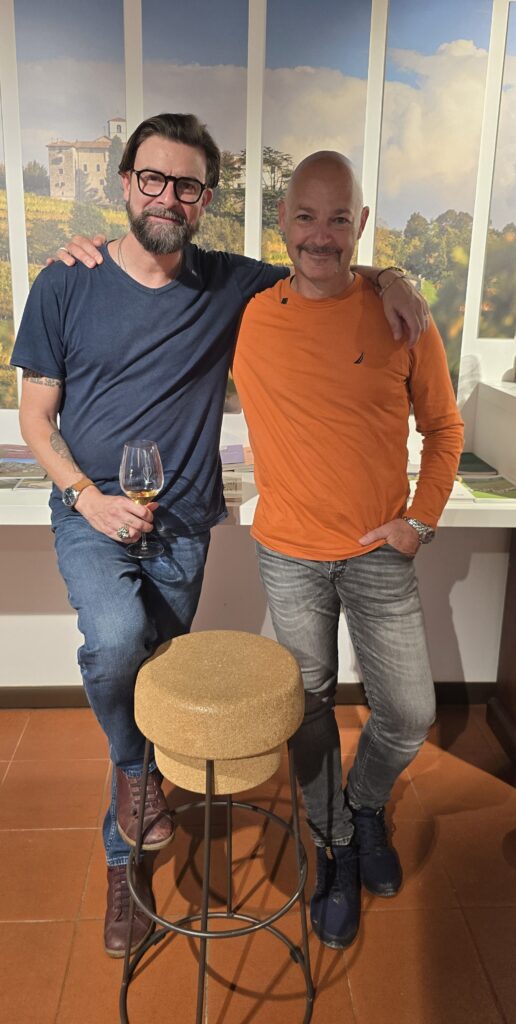
This distinction matters more than logistics suggest. Traditional travel planning involves research, phone calls, negotiations—the machinery of making things happen. But when you live somewhere, access flows differently. Doors open because of relationships built over decades, not transactions completed over email. Conversations happen in mother tongues. Stories emerge that never make it into guidebooks because they belong to families, not marketing departments.
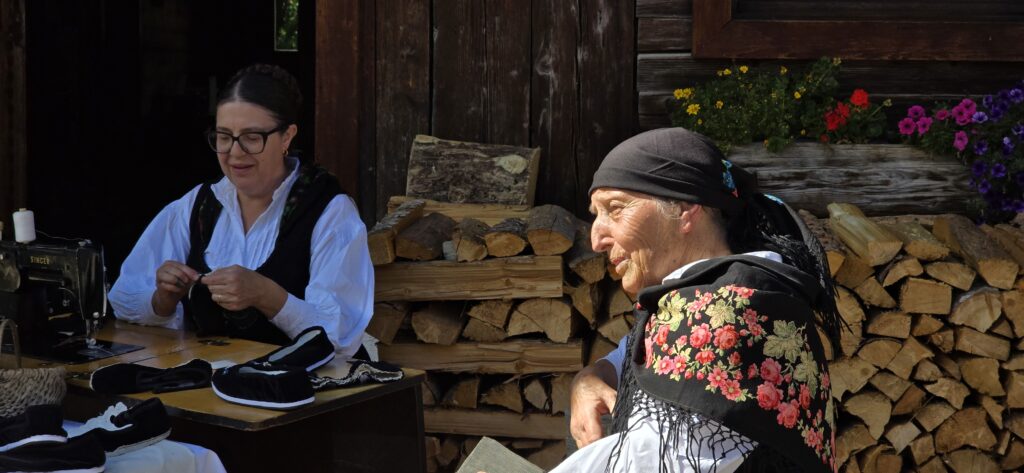
The difference becomes evident in unexpected moments: Manlio translates not just language but cultural context. A local artist invites the group into her workshop because she knows Audrey personally. Dinner drifts into the evening as the conversation has found its rhythm. No one wants to break the spell.
The Rhythm of Days, Not Itineraries
A week in Friuli unfolds like a long conversation rather than a scheduled performance. Mornings might begin in the crisp air of an Alpine valley where the day’s first light reveals vineyards terraced into impossible slopes. The pace is deliberate—time to notice how the light changes the color of the vines, how the sound of church bells carries differently in mountain air.
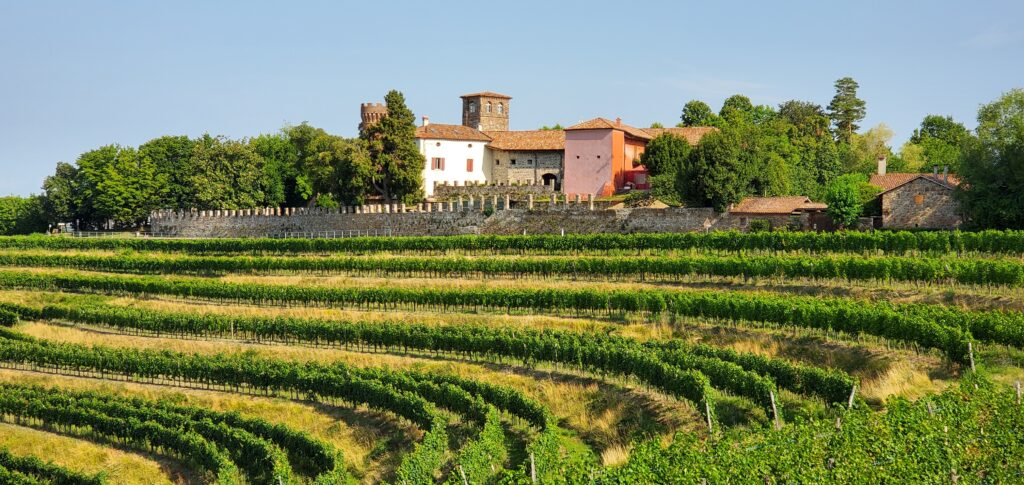
Lunch becomes an education without feeling like a lesson, perhaps at a family-run agriturismo where the salumi comes from animals raised on the property… where the bread is baked in a wood-fired oven that’s been in use since before anyone can remember… where the wine was bottled by the person serving it. These aren’t performances; they’re simply what happens on any given Tuesday.
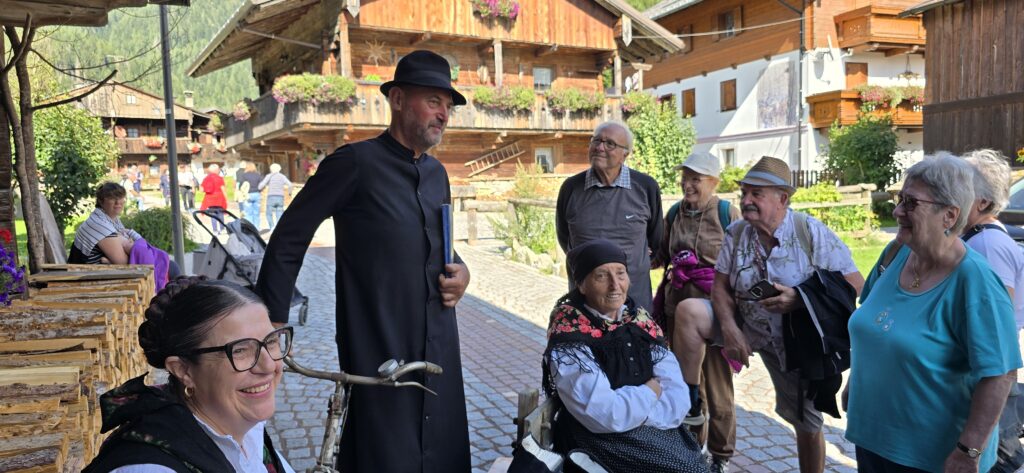
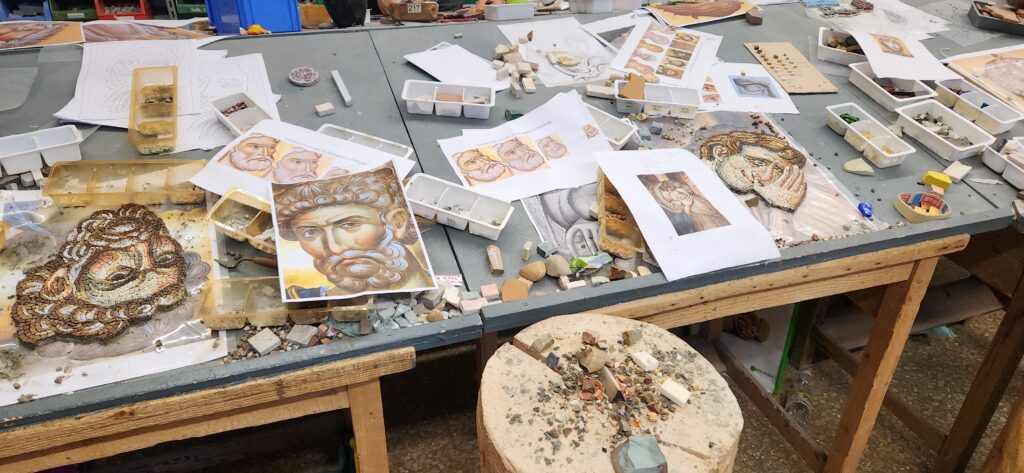
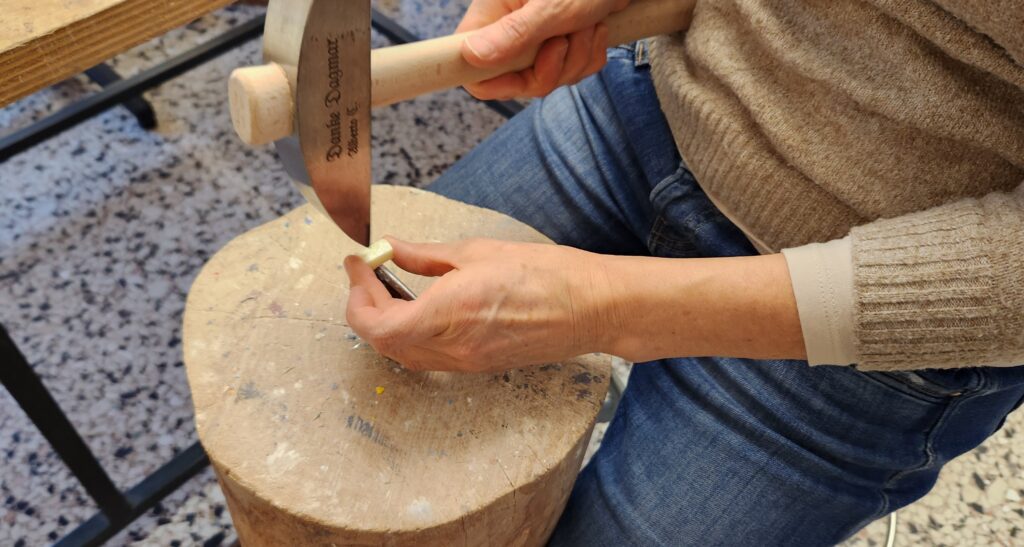
Afternoons might find the group in a ceramics studio, watching hands that have practiced the same motions for 50 years. Or, they may be walking through a town where Roman stones support medieval arches that frame Renaissance facades. History layers rather than competes. Each era adds to rather than replaces what came before.
As Audrey points out, the sensory memory unfolds slowly. You taste the particular sweetness of San Daniele prosciutto, aged in the specific microclimate that these hills create. You notice the mineral finish of Ribolla Gialla wine, indigenous to these soils. You hear Italian spoken with the distinctive cadence born of centuries of linguistic mixing.
Where History Lives in Present Tense
Manlio’s background as a historian adds an unexpected dimension to the journey, but not in the way museum tours typically incorporate expertise. Instead, history becomes context for understanding why things are as they are…why this particular church survived when others didn’t … why families here speak three languages fluently…why certain dishes exist only in this valley.
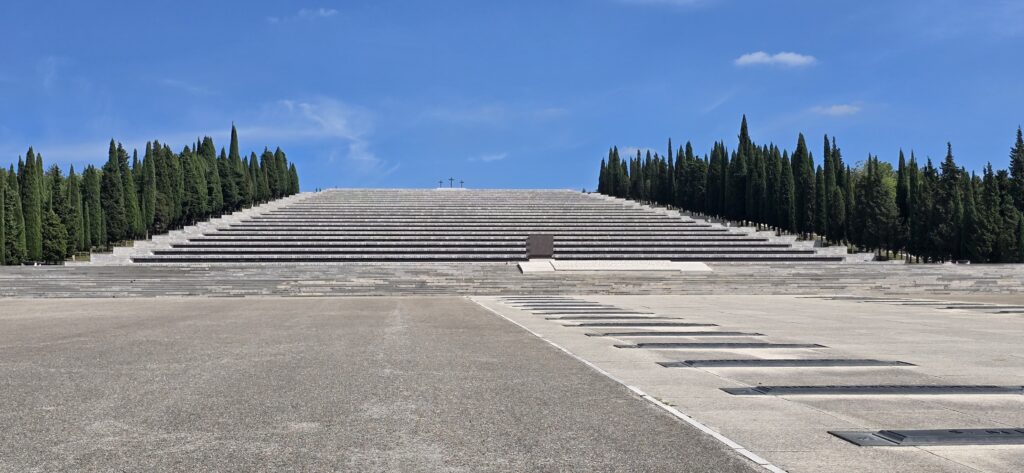
The Great War left particularly deep marks on Friuli’s landscape. Manlio’s research and knowledge of this period allow travelers to understand how global events shaped lives here. But, rather than delivering academic lectures, he reads the landscape itself … pointing out where trenches cut across what are now hiking trails … explaining how wartime displacement created today’s cultural patterns … helping visitors understand why certain stories still echo in local conversations.
For travelers with family connections to this region, or those interested in genealogy, this historical depth becomes personally resonant. The past isn’t abstract; it is the foundation upon which current daily life rests.
Traveling as Guests, Not Customers
What emerges from this approach is something increasingly rare in travel: the feeling of being welcomed rather than served. Pre-trip conversations with Audrey and Manlio aren’t sales pitches but genuine explorations of what might interest each particular group. What draws you to this region? What pace feels right? Are you wine enthusiasts or casual appreciators? Do historical sites energize you or overwhelm you?
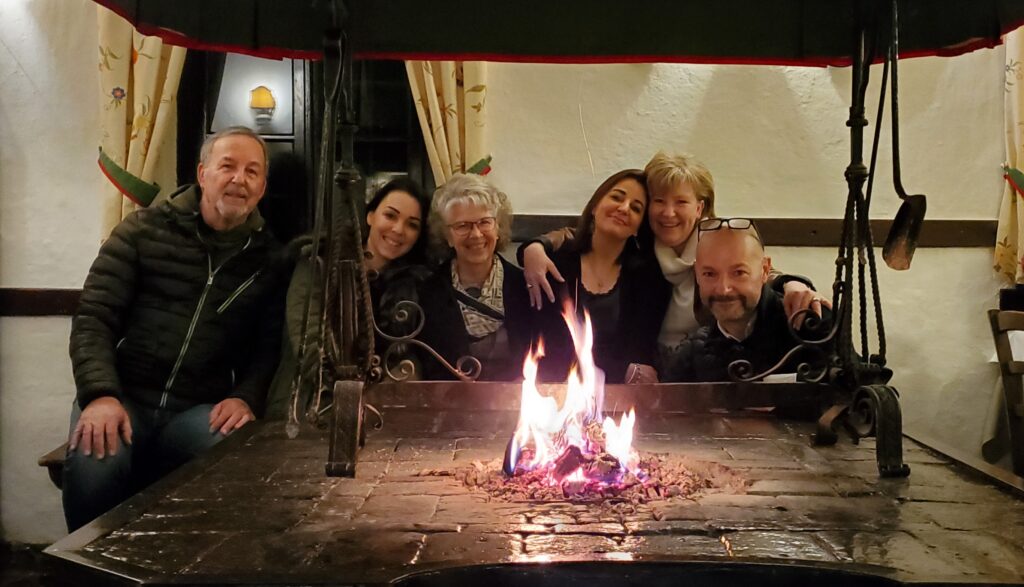
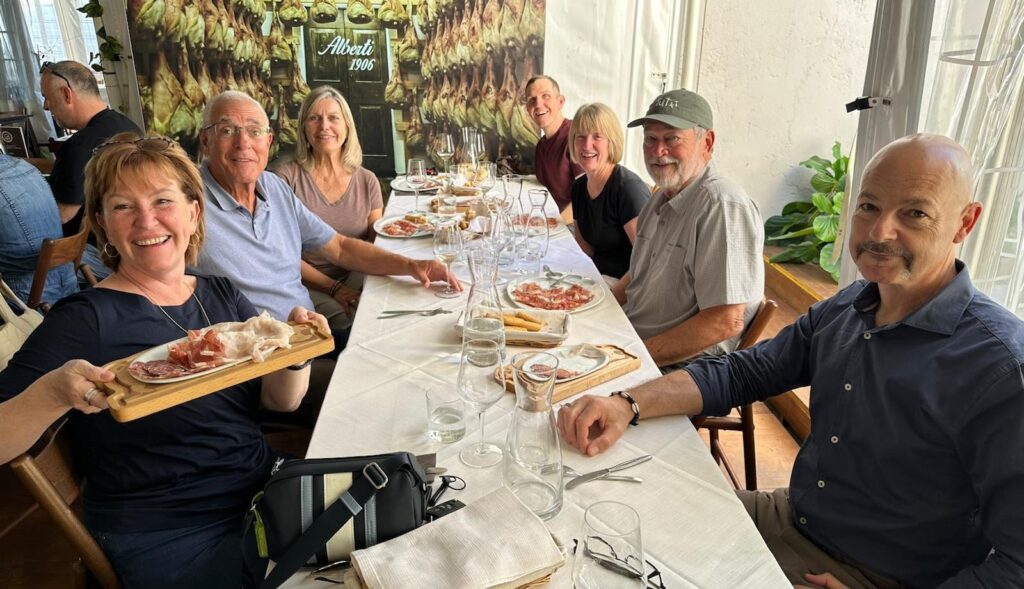
This personal connection continues throughout the journey. Small group sizes—typically just six to eight people—allow for real-time adjustments based on the group’s energy and interests. If a conversation with a local artist captivates everyone, the afternoon can extend naturally. If someone expresses curiosity about a particular aspect of local culture, tomorrow’s plans can accommodate that interest.
As one recent traveler reflected:
It didn’t feel like following an itinerary. It felt like being invited into someone’s life, and having that life happen to be extraordinarily rich and interesting.
The Right Kind of Traveler
This approach naturally attracts and works best for certain types of travelers. Those seeking depth over breadth, quality over quantity. People comfortable with slower rhythms, with conversations that meander, with experiences that unfold rather than deliver immediate gratification.
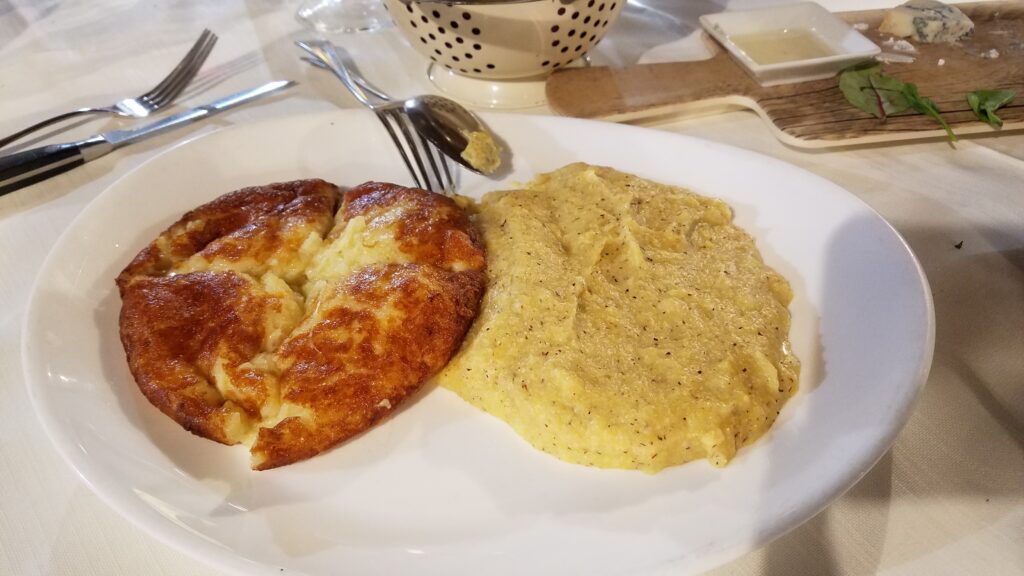
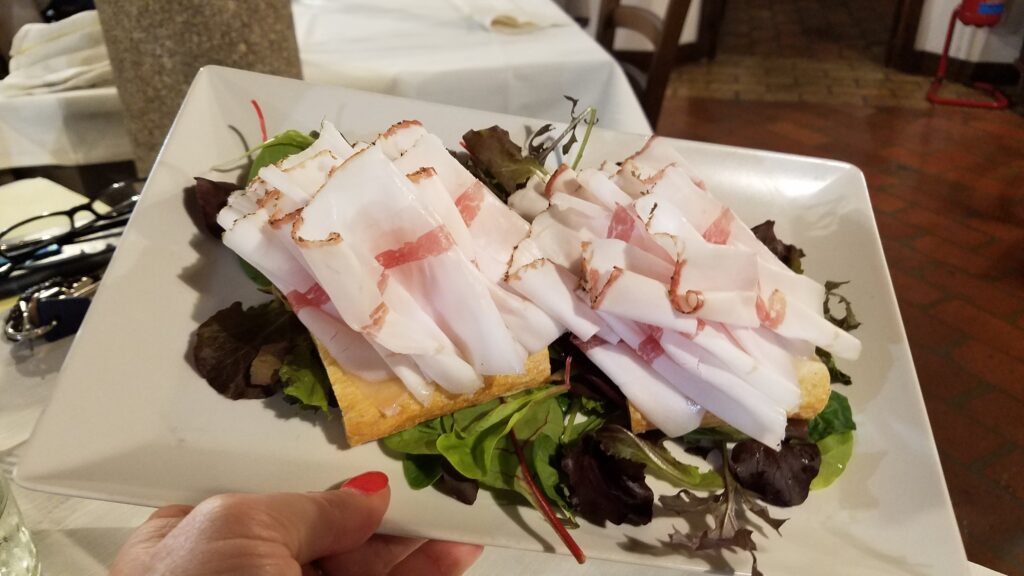
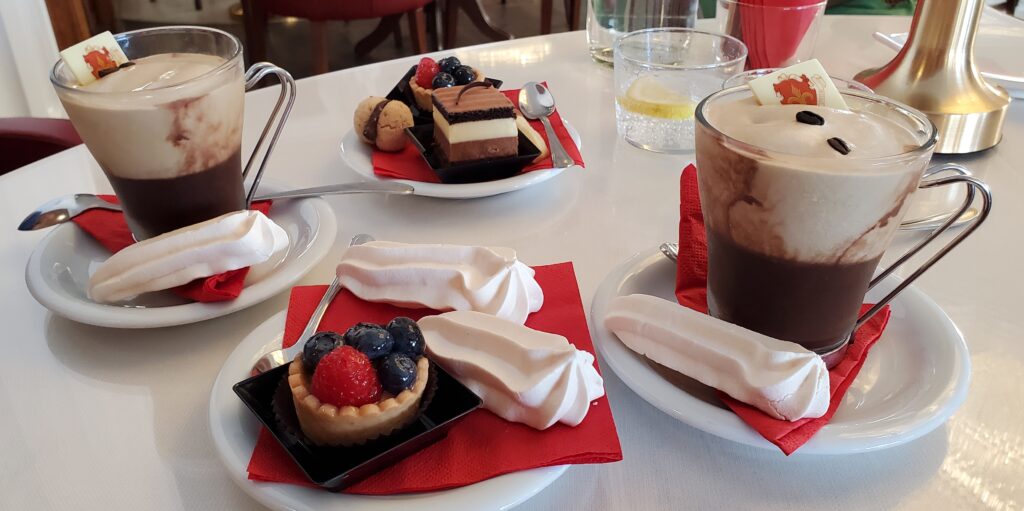
It appeals to food enthusiasts who want to understand not just what they’re eating but why it evolved this way and to wine lovers interested in small producers and indigenous varietals. It beckons culture seekers who prefer immersion over observation. Most importantly, it works for travelers who understand that the best experiences often can’t be photographed or checked off. They have to be lived.
Northern Italy’s Broader Canvas
While Friuli remains the heart of what Audrey and Manlio offer, their deep knowledge of Northern Italy extends into neighboring regions where similar principles apply—the Veneto beyond Venice, the corners of Lombardia and Trentino where local culture still shapes daily life. But Friuli remains their anchor—the place they know most intimately, where their connections run deepest, where they can offer the most authentic insider perspective.
A Different Kind of Return
Travelers return from Friuli with something harder to quantify than photos or souvenirs—they return with connections … email addresses of artisans who became friends … wine preferences that they discovered from specific small producers … cravings for foods they never knew existed … memories that will always bring a gleam to the eye.
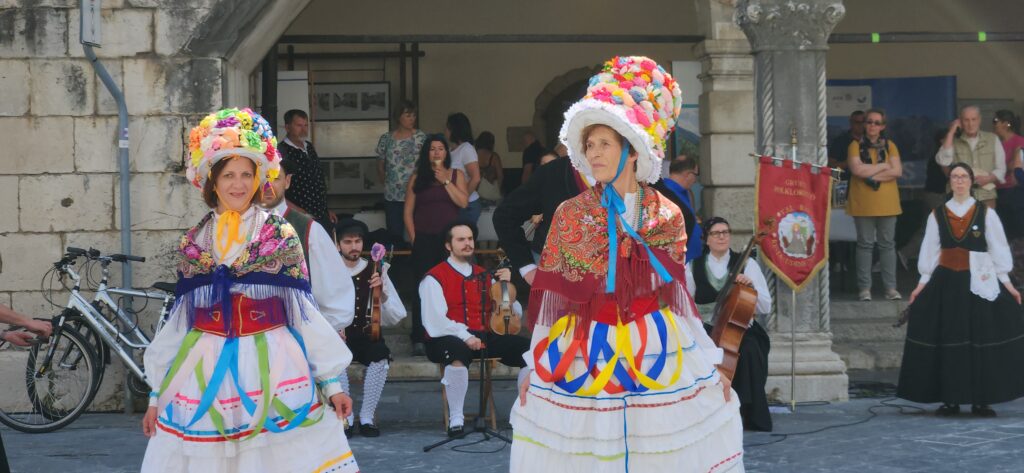
More than that, they return with a different relationship to travel itself. Having experienced what it feels like to be welcomed into a place rather than simply visiting it, the bar is permanently raised. Future journeys become less about seeing and more about connecting, less about consuming experiences and more about creating relationships.
This is Italy not as backdrop but as life—complex, layered, generous, and real. It’s the Italy that exists when the tour buses have left, when the performances are over, when life simply continues in its own authentic rhythm.
In a world increasingly focused on the spectacular, Friuli offers something more valuable—the profound satisfaction of the genuinely real.
And Audrey and Manlio are your bridge into that Italy.
Visit Travels with Audrey.
Follow Audrey on Facebook and YouTube.
All photos copyright Travels with Audrey.