A conversation with the President of Salone del Mobile.Milano on conscious luxury, Italian design heritage, and why cities like Miami are shaping the next chapter of global design.
Maria Porro of Salone del Mobile.Milano represents a new generation of Italian design leadership, where cultural intelligence, sustainability, and long-term vision guide global strategy. As President of the world’s most influential design fair, Porro operates at the intersection of industry, creativity, and cultural diplomacy, shaping how Italian design engages with international markets.
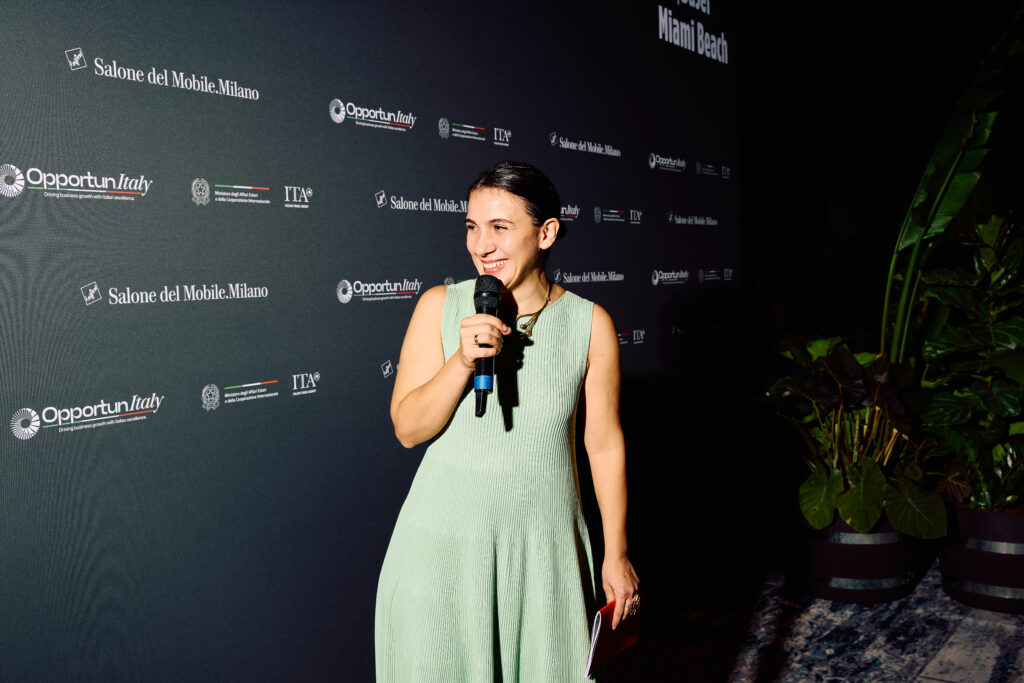
This interview follows Salone del Mobile.Milano’s debut at Art Basel Miami Beach, marked by an intimate press breakfast and the unveiling of the Salone-designed Collectors Lounge. While the conversation itself was conducted separately, it builds on the themes Porro outlined in Miami, where Italian design took center stage within one of the world’s most influential cultural ecosystems. The moment underscored Miami’s growing importance as a hub for architecture, hospitality, and intentional luxury rooted in global exchange.
Italian luxury today is shifting away from excess and logos toward cultural intelligence, craftsmanship, and long-term value. How is Salone del Mobile.Milano interpreting this evolution, and what does “conscious luxury” mean to you as both a leader and a designer?
Luxury today is moving away from the grammar of display and toward a vocabulary of meaning. At Salone del Mobile.Milano, we read this shift as a call to reaffirm what design can do at its best: translate culture into form, transform craftsmanship into innovation, and give time a tangible value. Salone is not simply a marketplace, it is a global platform that generates opportunities and builds connections across industries, disciplines, and generations, so that ideas and quality can circulate with substance, not with volume.
For me, “conscious luxury” is not an aesthetic category, and it is certainly not a shortcut to minimalism. It is a way of designing and producing: thinking in terms of durability, repairability, traceability, and respect for materials, for know-how, and for the people behind every process. It also means moving beyond narratives and being accountable, with measurable commitments. This is why we have integrated sustainability into the way we run Salone, through practical tools such as green guidelines for exhibitors, impact monitoring, and internationally recognized frameworks, including ISO 20121 certification and alignment with the UN Global Compact.
And as a design entrepreneur, I think conscious luxury is when an object keeps giving over time: emotionally, functionally, culturally. In a market where experiences are increasingly driving value, design has to earn its place by being both useful and meaningful, not merely “new.”
You represent both the future of Salone and a century-long design heritage through your family’s work with Porro. How does this dual perspective — heritage and innovation — shape your view of what Italian design should stand for in the coming decade?
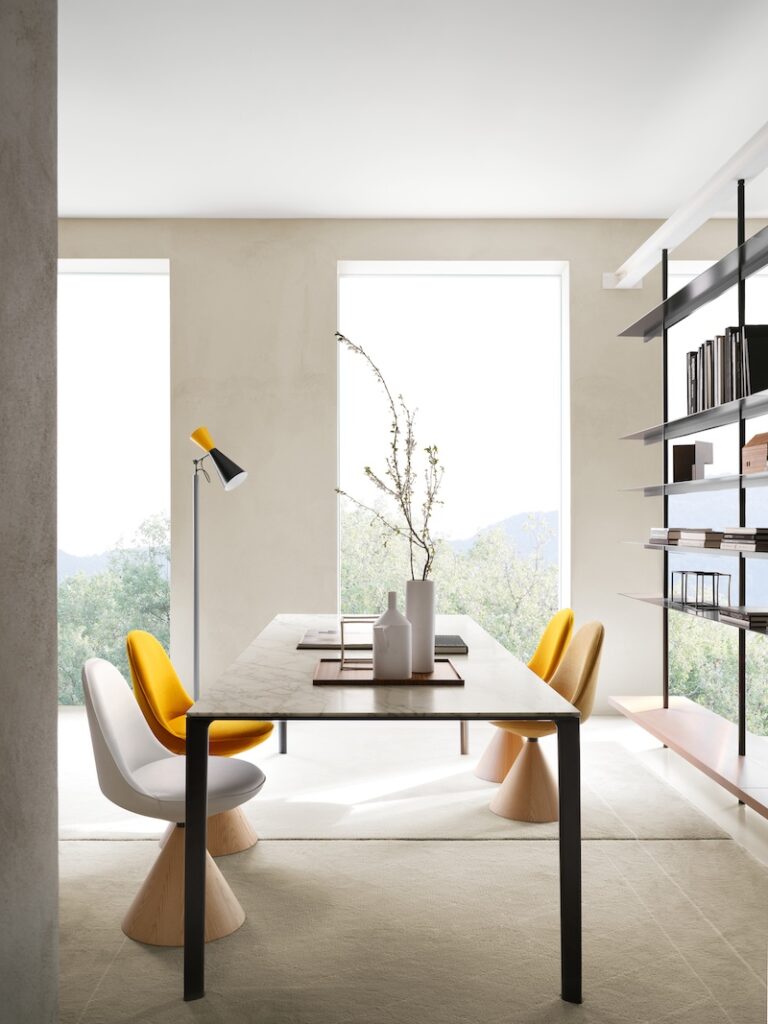
Living every day between a century of manufacturing tradition and the future-focused mission of the Salone teaches you one key thing: innovation only makes sense when it has roots. At Porro, I’ve learned that quality isn’t a label — it’s a process made of hands, time, and disciplined choices. That same approach shapes how I see the Salone: as a space where industry and culture meet, and where experimentation becomes a shared value.
Looking ahead to the next decade, I believe Italian design should stand for three things. First, project culture: the ability to connect architecture, interiors, product, and craft into a coherent language. Second, longevity: creating objects that are made to last — both physically and intellectually. Third, responsible excellence: beauty and sustainability have to go hand in hand, from materials to the supply chain.
With Salone Raritas, we are developing new formats that connect authorial design and high-end craftsmanship directly with real-world briefs and professional needs, opening a more fluid dialogue with architects, interior designers, developers, and hospitality and contract clients, rather than keeping collectible pieces and project design in two separate ecosystems.
Miami is becoming a global hub for high-end architecture, hospitality, and design. What makes Italian design resonate so strongly in cities like Miami, and what does this say about the international movement toward more intentional expressions of luxury?
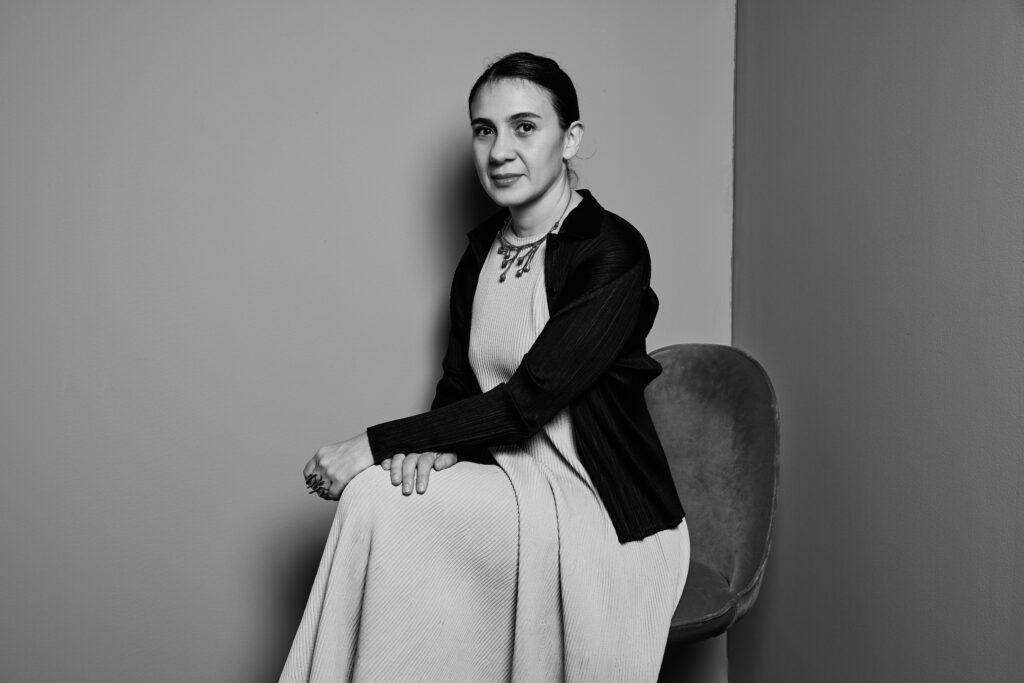
Miami is a fascinating laboratory because it sits at the crossroads of high-end real estate, hospitality, contemporary art, and a truly international community. Italian design resonates in cities like Miami because it offers a rare balance: it is sophisticated but not cold, expressive but not superficial. It brings a human scale and a sense of material intelligence that fits perfectly with the way Miami is building spaces today.
Our partnership with Art Basel Miami Beach is exactly about meeting that cultural and professional energy in the right place. By bringing Italian design into the Collectors Lounge, inside one of the most influential ecosystems of global collecting and cultural investment, we are aligning design with a broader cultural conversation.
What this tells us about intentional luxury is simple: people are investing less in the loudness of objects and more in the intelligence of environments. Luxury becomes spatial, lived, and curated, closer to a cultural choice than a status signal.
Salone del Mobile.Milano has always been a barometer for where design and culture are heading. As you look ahead, what ideas or shifts will define the next chapter of global design?
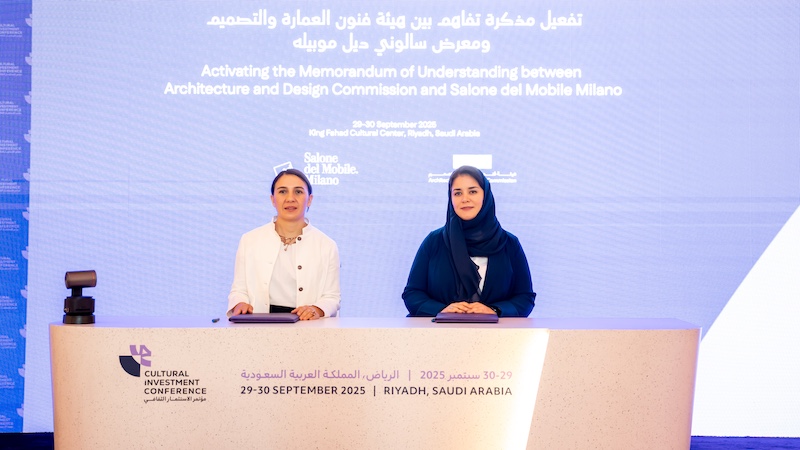
If I had to name the shifts that will define the next chapter, I’d start with longevity as the new frontier. Not sustainability as compliance, but durability as desire. Objects conceived to last, to be repaired, to age well, and to carry meaning.
Second, craftsmanship evolving rather than retreating. Craft and digital tools will not cancel each other out, they will layer. We will see more hybrid processes, where advanced design, AI-enabled research, and artisanal finishing coexist, as long as integrity remains the guiding principle.
Third, new ecosystems and formats. With Salone Raritas launching in 2026, we are responding to a real transformation. Limited editions, one-of-a-kind works, and high-end craftsmanship are increasingly relevant for architects, developers, interior designers, and hospitality decision-makers, not only for private collectors.
Finally, geographies are shifting. New hubs are consolidating through culture, mega-projects, and investment in the built environment. Our role is to enter these contexts not as a one-off presence, but as a business-first and culture-driven platform designed to build long-term value and lasting collaborations.
Beyond the Fair: Building a Design Ecosystem
As President of Salone del Mobile.Milano, Maria Porro is guiding Italian design through a period of profound transformation. Her leadership reflects a broader shift toward longevity, responsibility, and cultural relevance, where design is measured not by visibility alone, but by impact over time.
Website: salonemilano.it/en
Instagram: @isaloniofficial
Author