
What does a centuries-old Italian bread have in common with premium vodka? More than you might imagine.
For Frank Grillo, co-founder of Altamura Distilleries, the inspiration began with a homemade loaf of Pane di Altamura and a fascination with the ancient durum wheat grown in Puglia. What followed was an unexpected journey from Italian culinary tradition to contemporary spirits, rooted in the agricultural heritage of one remarkable place.
In this special Q&A for Live in Italy Magazine’s A Taste of Place edition, Grillo shares how a simple idea became an internationally recognized brand while remaining connected to the farmers, traditions and flavors of Altamura.
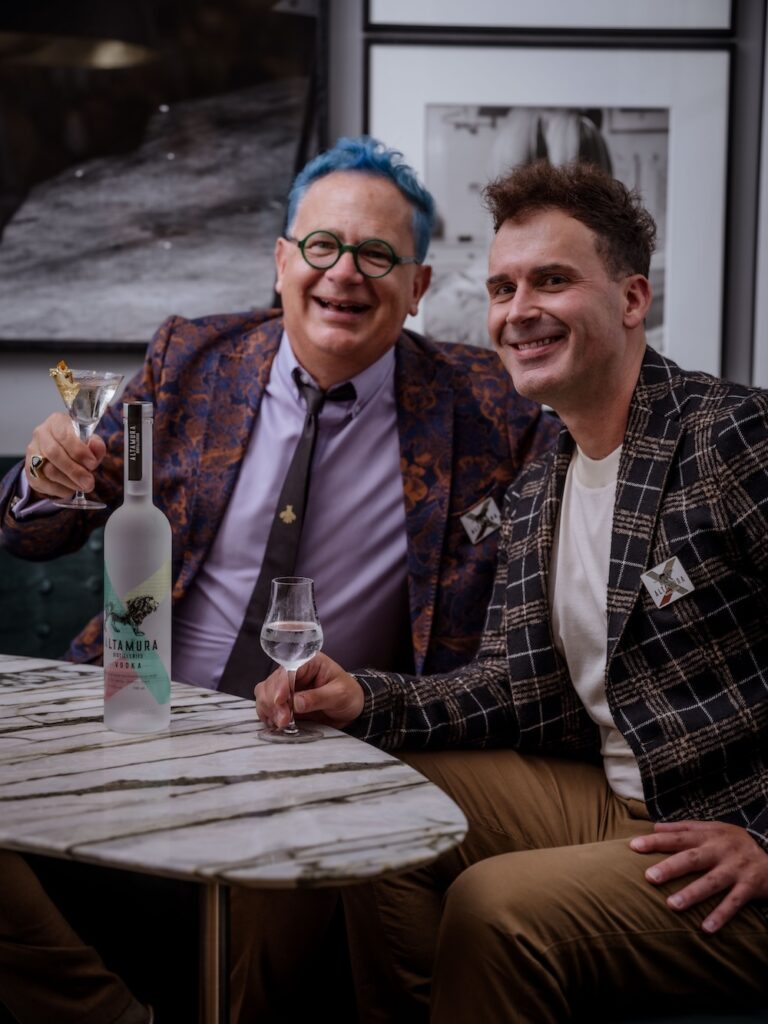
Every great Italian food and beverage story begins with a place. What first drew you to Altamura, and why did this particular town inspire the creation of the distillery?
When my spouse and I decided to move to Puglia, I began learning Pugliese recipes because I love to cook. I came across a recipe for Pane di Altamura and read about the bread’s remarkable history, its unique wheat and its PDO status.
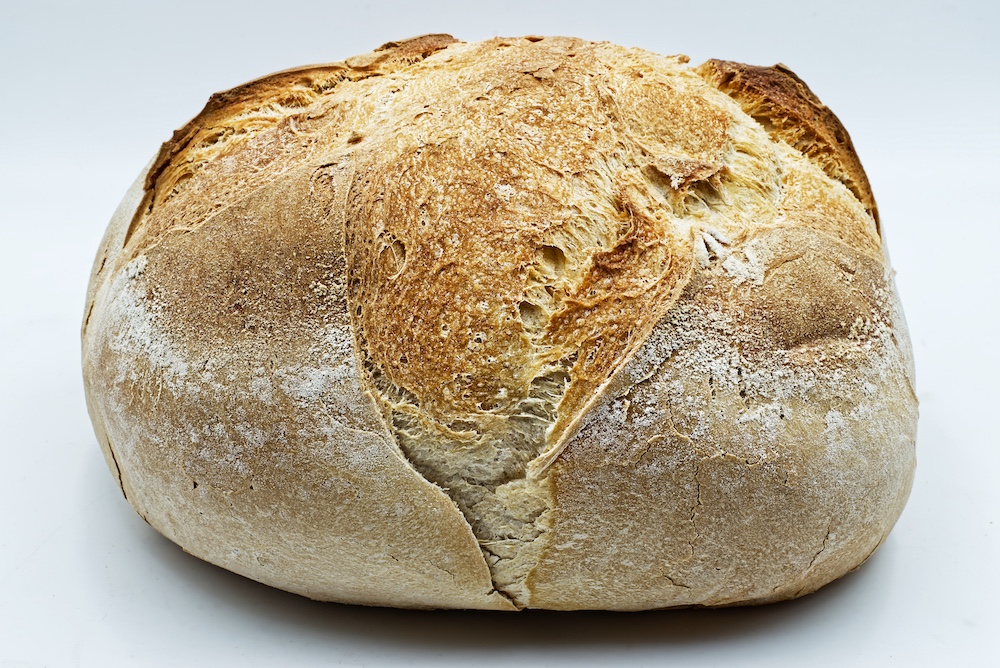
I managed to find Altamura flour in the US and baked what I would describe as a “rogue loaf” in my kitchen in Atlanta. When it was finished, I held it up and said something along the lines of: “If I had boiled this instead of baking it, it would be vodka.”
The idea for Altamura Distilleries was born at that moment.
Altamura is known around the world for its DOP bread, made from ancient durum wheat that has been cultivated for thousands of years. What does that grain represent to you beyond being an ingredient?
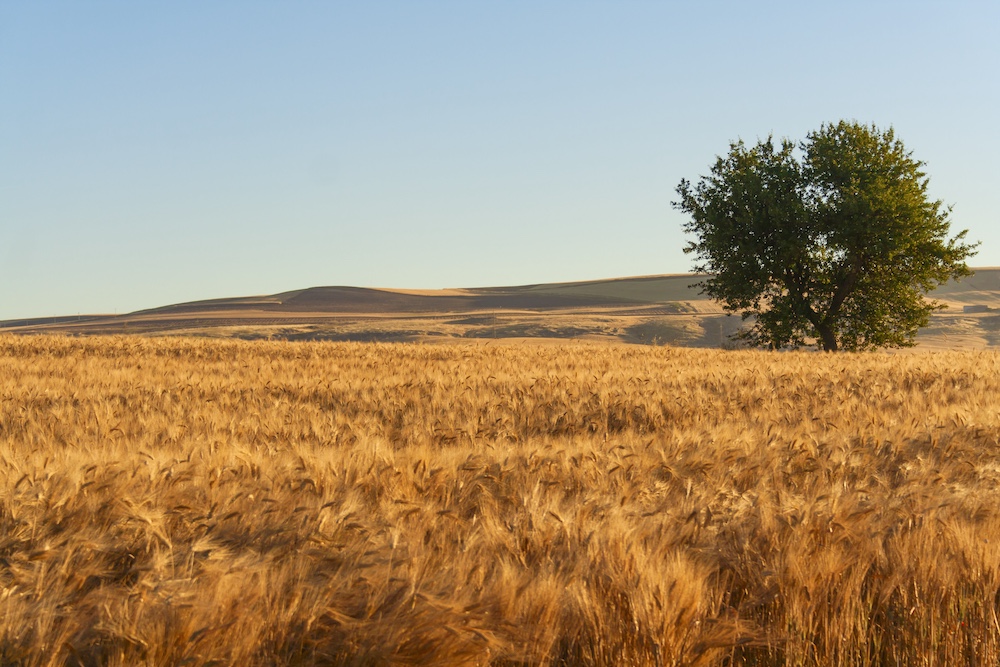
Like so much of what makes Italy unique, the grain represents history, tradition, consistency, culture and, of course, a love of food.
3. During the pandemic, many people rediscovered baking at home. Your own experience making Pane di Altamura eventually sparked an unexpected idea. Can you tell us how that moment evolved into Altamura Distilleries vodka?
As I mentioned, it began with that loaf of Pane di Altamura in my kitchen in Atlanta. Learning about the bread, its history and the special wheat used to make it led me to wonder whether the grain could be expressed in an entirely different form.
That initial thought became a serious exploration of whether Altamura’s durum wheat could produce a distinctive vodka while remaining respectful of the agricultural and culinary traditions from which it came. From there, the idea developed into Altamura Distilleries.
4. You have described approaching the Cappiello family almost like asking for a daughter’s hand in marriage. What did earning their trust mean, and how has that relationship shaped the company?
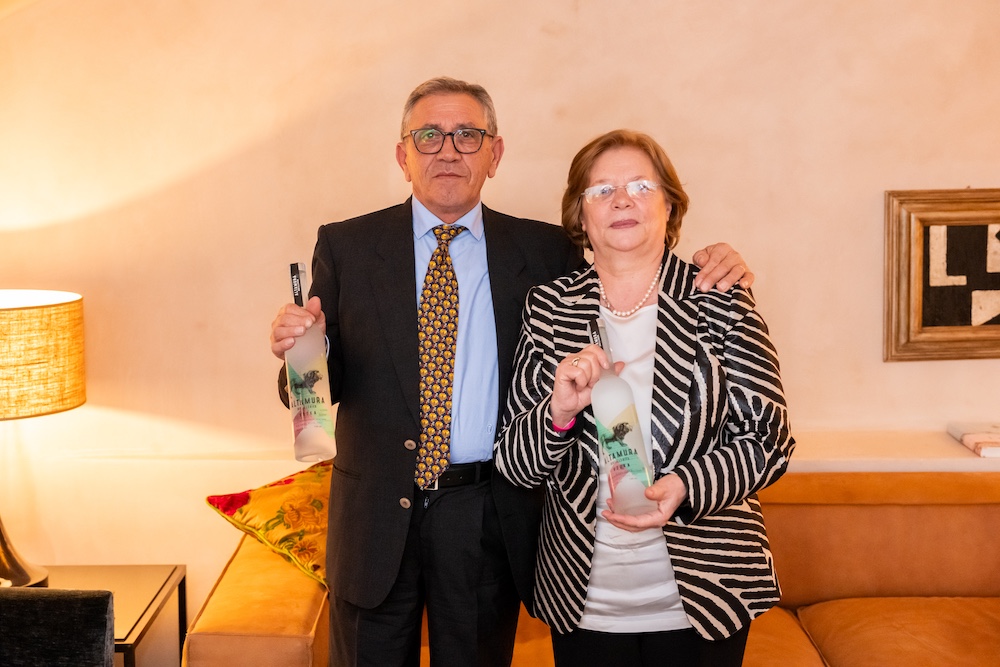
This is very true! I think the Cappiellos, and all the farmers of Altamura wheat, view themselves as custodians of a unique heritage and facilitators of the world’s only PDO-protected bread.
The idea of using the wheat in something very non-traditional—not only outside bread, but also beyond Altamura’s other traditional products, such as pasta—was understandably challenging.
I knew it was important to explain that our idea was intended to be wholly respectful of the traditions and history of the place, its wheat and its bread. I have always described our vodka as a way of presenting the story of Altamura and Pane di Altamura in a different format.
Thankfully, Andrea and his family understood the vision and chose to support us. It has been incredibly important to the authenticity of our vodka to have the genuine support of a family that has farmed the wheat fields of Altamura for hundreds of years.
Italy is often associated with wine, aperitivo and regional traditions. What opportunities did you see in creating a premium vodka that feels unmistakably Italian while respecting those traditions?
I think the question frames the answer perfectly. Anyone could produce a vodka in Italy, but that alone would not make it particularly distinctive.
What makes this vodka special is the opportunity to create it from an Italian agricultural product with more than 2,000 years of history—one that is deeply rooted in a particular place and its terroir, and intricately connected to one of Italy’s hundreds of protected food products.
Out of deep respect for what that protection means, we are always careful never to make any PDO-style claims about the vodka itself. However, we can honestly say that our vodka is distilled using the same wheat that goes into the making of Pane di Altamura. This allows us to present a distilled spirit with deep and intimate ties to the food history of Italy.
Since launching, Altamura Distilleries has grown from an ambitious idea into an internationally recognised brand served in some of the world’s leading bars, restaurants and hotels. Looking back, what moments have been the most rewarding?
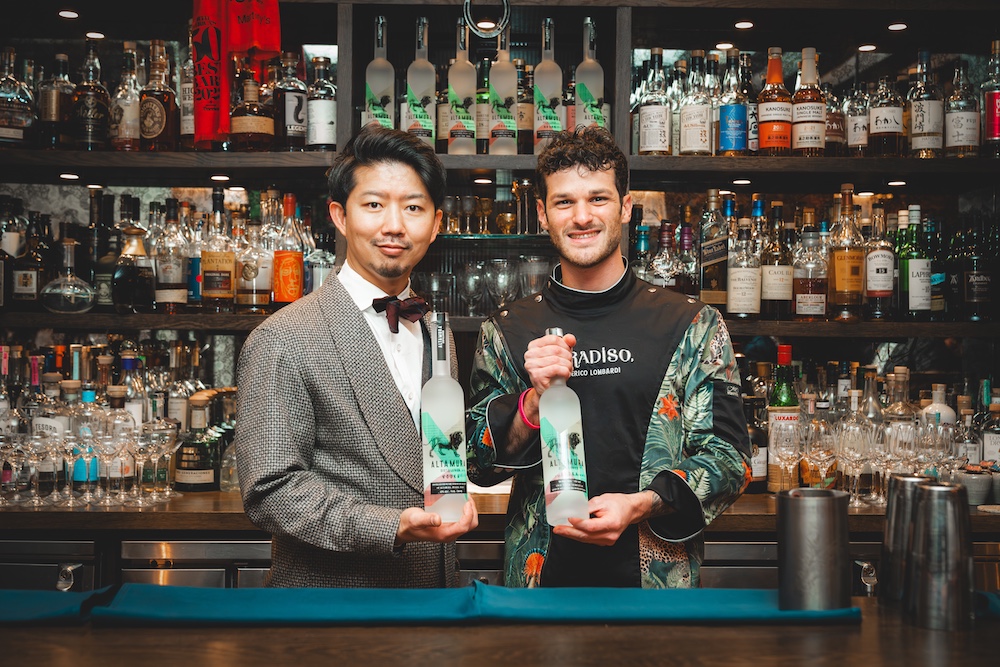
The reception the vodka has received from the Italian mixology community has been exceptional. We did not have to explain what Pane di Altamura was or why distilling a vodka from the wheat of Altamura made it special—they understood immediately.
From the moment we held our first event at Aman Venice, when Antonio Ferrara hosted Stefano Catino and his team from Maybe Sammy in Sydney, Italian mixologists have embraced our vodka in a way that has been deeply humbling.
It has been the support of this global community—many of the world’s best bars are owned or run by Italian mixologists—that has propelled our vodka forward. I could not possibly name them all, but they have my unending gratitude.
One theme we explore throughout Life in Italy Magazine is the idea of “A Taste of Place”. How do you hope people experience Italy when they enjoy Altamura Distilleries, whether they’re in Puglia, New York or Singapore?
The idea of place is intrinsic to our vodka. Altamura and its neighbouring communes provide a distinct terroir for the cultivation of durum wheat, and the varieties grown there are very particular, having remained largely unchanged for more than 2,000 years.
Just as tasting a piece of Pane di Altamura allows you to experience this unique terroir, the same is true when tasting our vodka. The essence of this special place is conveyed in every drop, through both its flavour and its texture.
Many of our readers enjoy recreating a little bit of Italy at home. If someone were opening a bottle of Altamura Distilleries for the first time, what simple cocktail or serving suggestion would you recommend, and what food would you pair it with?
I think our vodka is best experienced in a classic Martini—not a modern version that has been stripped of vermouth, but one inspired by the original style of Martini cocktails.
My favourite recipe is what we call the Altamura Distilleries Martini: three parts Altamura Vodka, one part high-quality dry vermouth—I personally love Carpano Dry—and a dash of orange bitters. Stir it over ice, serve it straight up and finish it with a twist of lemon.
I would pair it with a piece of Parmigiano Reggiano or aged Pecorino, a few Cerignola olives and, of course, some Pane di Altamura.
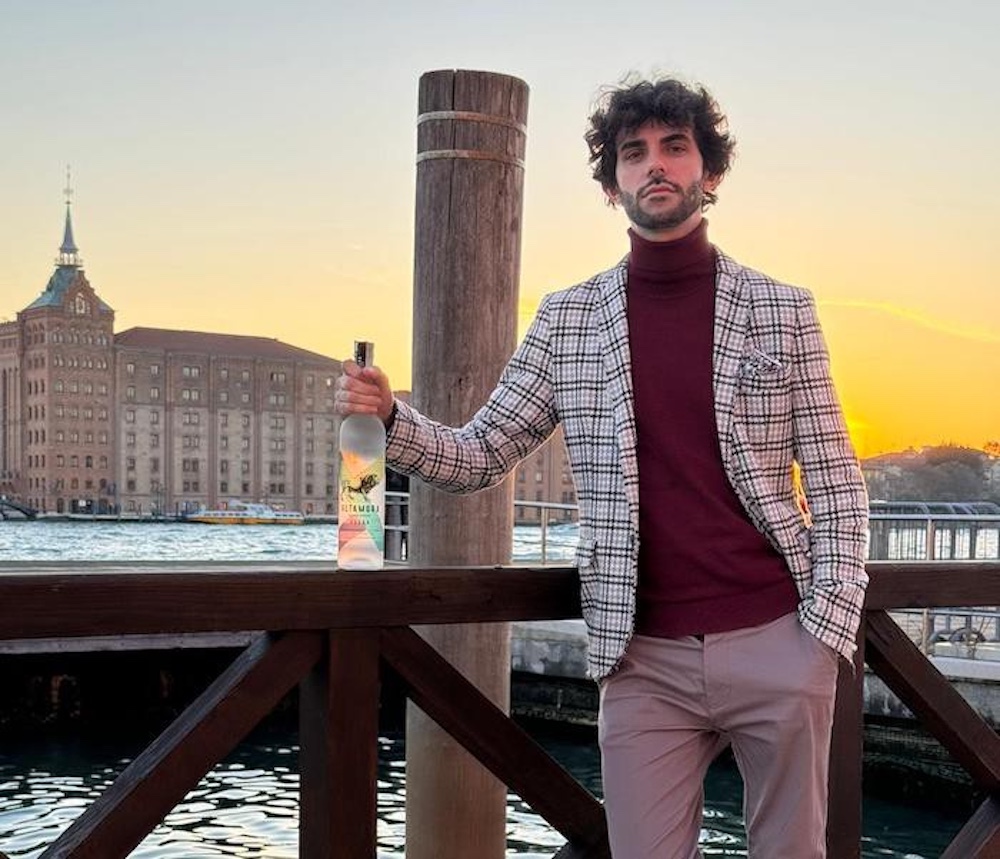
From the wheat fields of Puglia to cocktail bars around the world, Altamura Distilleries offers a contemporary interpretation of Italian tradition—one that begins with a deep respect for place and the people who preserve its heritage.
Discover the story behind Altamura Distilleries: altamuradistilleries.com
Follow: @altamuradistilleries on Social Media.