
Chat with Sara and Vincenzo | Italy Answered Podcast
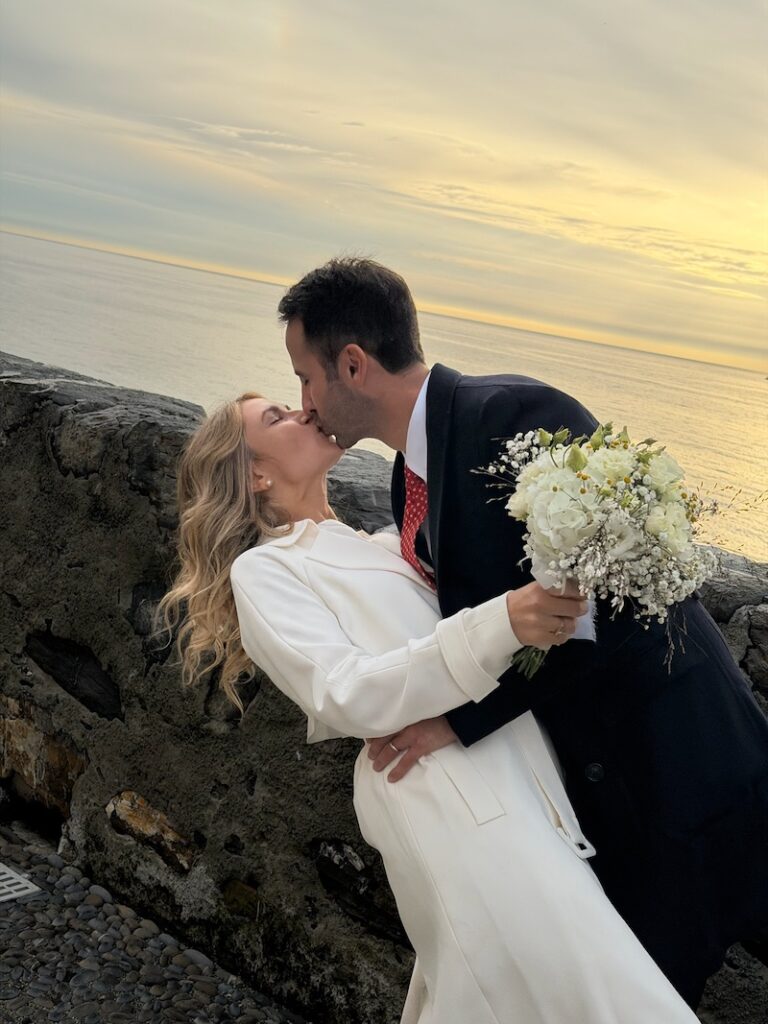
For the February Amore issue of Live in Italy Magazine, love takes center stage—not only romantic love, but also love for Italy, culture, and the courage it takes to build a life abroad. In this edition of Chat with an Expat, Editor-in-Chief Lisa Morales sits down with Sara of Sara in Italia and her husband Vincenzo to talk about moving to Milan, navigating cross-cultural marriage, and what daily life in Italy really looks like beyond the postcard version.
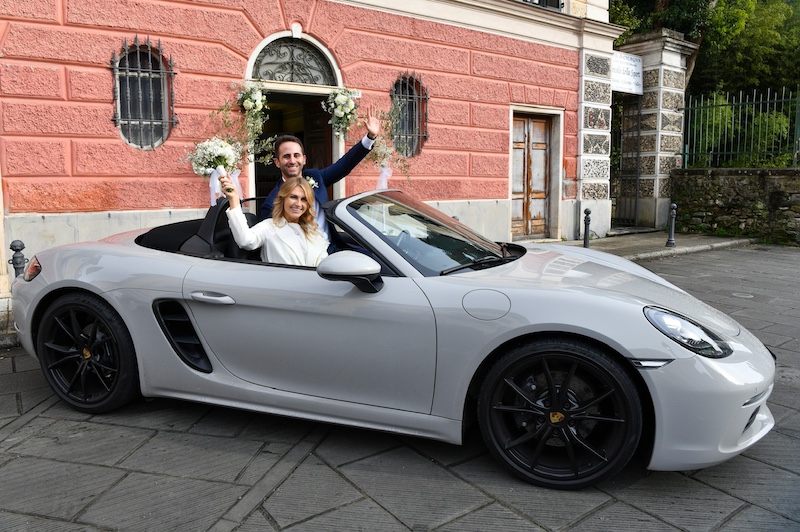
Their conversation unfolds slowly and honestly, touching on work visas, cultural differences, social media, and the realities behind La Dolce Vita.
You can listen to the full conversation on Italy Answered while following along with this edited transcript on Spotify, Apple Podcasts, or YouTube.
Who are you, and where are you from? (02:22)
Sara:
I’m originally from Milwaukee, Wisconsin, so I was born in the Midwest. I went to college in Indiana, so again, very Midwest-centric. After graduation, I lived in Vancouver, Canada for a few years, before finishing my twenties in Chicago. Then, when I turned 30, I made the decision to move to Milan, Italy, and that’s what ultimately brought me here.
Vincenzo:
I was born and raised in Italy. I grew up and studied in Naples, and then I moved to Milan to build my professional life. During university, I also studied abroad in Spain for one year, which gave me the opportunity to experience life outside Italy. But Italy has always been home for me, not only emotionally, but also in terms of values, relationships, and identity.
When was the first time you came to Italy? (03:32)
Sara:
Similar to Vincenzo, I also did a study abroad program. My college offered a full year-long program instead of a semester. So during my sophomore year, when I was 19 and 20, I lived in Rome. It was a very niche program that had existed for over 75 years. We lived in a hotel and had a small classroom building on the same street as the Pantheon.
There were about 30 girls each semester, and around a quarter of us stayed for the full year. That’s what I chose to do, and that year really marked the beginning of my love affair with Italy.
Did you move to Italy for love or for yourself? (04:54)
Sara:
I hear a lot of stories from other foreigners married to Italians who met their partners and then moved. That wasn’t my case. I moved for myself. After years of working in the U.S., I was feeling burnt out. I had always returned to Italy almost every year after my Rome experience, often traveling solo.
There was this deep pull toward Italy. I kept thinking, it’s now or never. I wanted to take a chance and see if Italy could become something more than a place I visited.
“I didn’t move for love. I moved for myself—and then love happened.”
— Sara
How challenging was it to secure a work visa in Italy? (06:11)
Sara:
Yes, it was difficult. I work for an Italian company, although it’s a multinational firm. My contract is through the Italian office, but the headquarters are in the U.S., which helped. Still, navigating the process wasn’t easy.
Why did you move from Naples to Milan? (07:09)
Vincenzo:
Naples is actually a big city as well, so it wasn’t about moving to a bigger place. It was about opportunity. Milan offers more international exposure, more career possibilities, and the chance to interact with people from different cultures.
At first, my plan was to gain experience in Milan and then return to Naples to work in my family business. But Milan allows you to start from scratch and grow. Eventually, I stayed—and in the end, I met Sara here, so it turned out to be the right decision.
Where did you study law, and why stay in Milan? (08:20)
Vincenzo:
I studied law in Naples and moved to Milan when I was 23. That’s not very common, because many people who practice law in Milan also studied here. Milan has excellent universities like Bocconi and Cattolica, but I wanted to try something different.
Originally, I thought I would bring my experience back to Naples. But life in Milan was very good, and I decided to stay.
How did you meet? Was it love at first sight? (09:14)
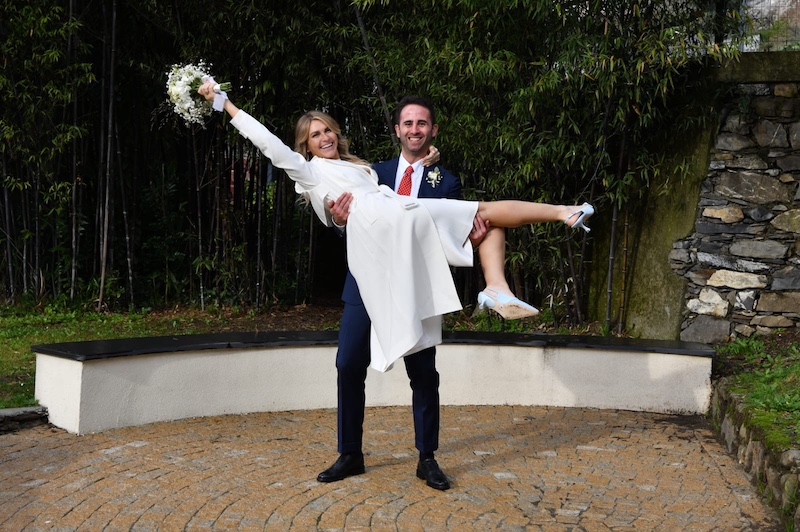
Sara:
We don’t have the classic story of meeting at a café or being offered a spritz. We met in a very 2025 way—on Hinge. One of my friends suggested I try it, even though it’s not very common in Italy.
Vincenzo and I matched and went to dinner for our first date. That date lasted about four and a half hours. We clicked immediately, and from that first date, we were inseparable.
Vincenzo:
I can confirm that. It was actually my first date on that app. A friend of mine from the U.S. suggested I download it. I gave it a try, and it worked.
“It felt like home. I felt like I had known her forever.”
— Vincenzo
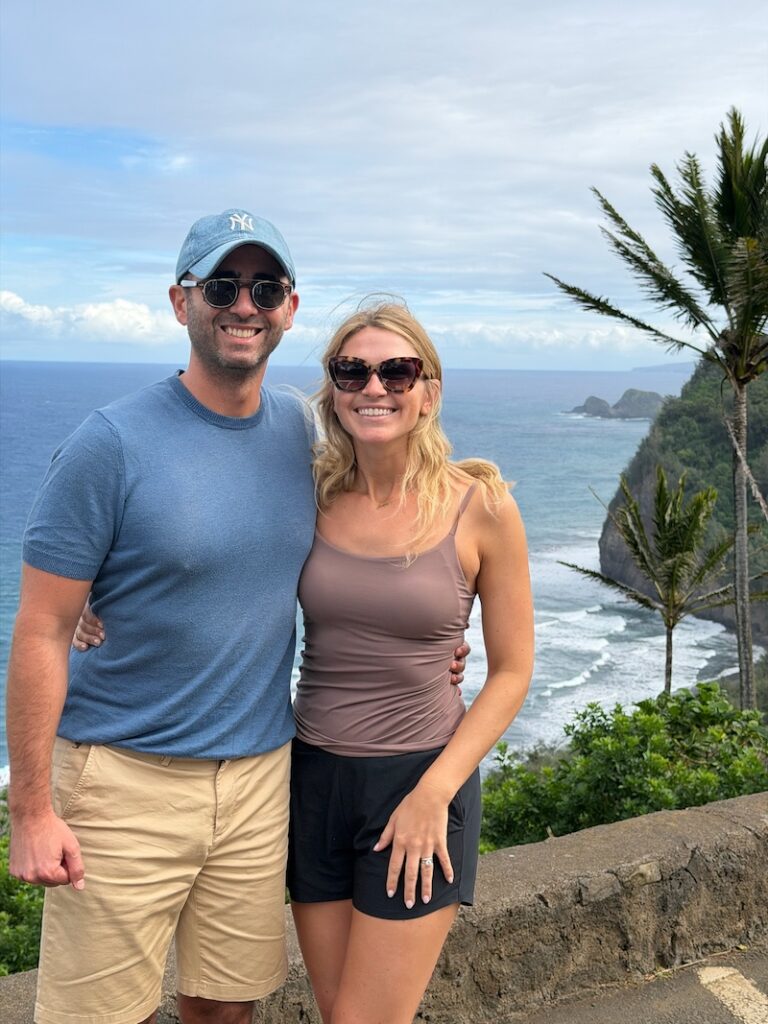
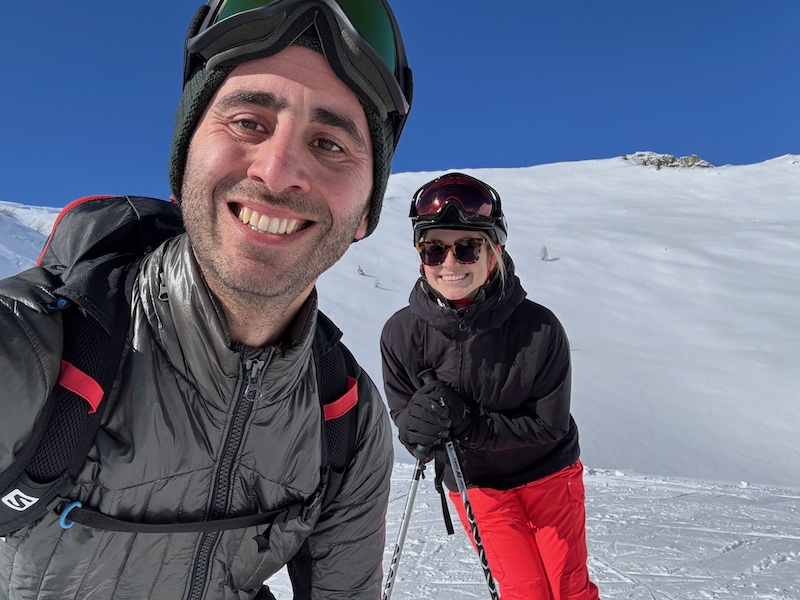
What first attracted you to each other? (11:15)
Vincenzo:
It may sound strange, but it was her scent. I can’t really explain it. It just felt like home. I felt like I had known her forever, from the very first moment.
Sara:
For me, he felt like the male version of me, even though our backgrounds are completely different. He grew up in southern Italy and is a lawyer. I’m from the Midwest and work in product management.
Yet somehow we were completely in sync. We both brought openness toward each other’s cultures, and it felt very easy and comfortable from the beginning.
Have cultural differences created challenges? (12:49)
Sara:
One adjustment was work culture. People hear La Dolce Vita and expect things to be easy, but especially in Milan, that’s not always the case. Vincenzo often works late, and that was something I had to adjust to.
Another difference is personality. I’m very American—structured and Type A. Vincenzo is from the south, where things can feel more flexible. Sometimes something is more of a suggestion than a rule. Communication helped us find balance.
Vincenzo:
Being in a relationship with someone from another culture requires effort and patience. Even language can cause misunderstandings. English isn’t my native language, and sometimes interpretation can create small clashes.
We also had a very memorable argument about raw onions. Italians usually only eat onions when they’re cooked.
Is La Dolce Vita realistic? What about work culture and brain drain? (17:09)
Vincenzo:
Italy has experienced brain drain for years, but things are changing. There’s more focus now on quality of life. Favorable tax regimes are attracting Italians back home, as well as highly skilled foreigners.
Milan is growing quickly, and remote work is also revitalizing small towns in southern Italy. People who can work remotely are moving there with their families. Things are changing very fast.
Was the move to Italy worth the financial trade-offs? (21:35)
Sara:
Yes, for me it was worth it. I won’t sugarcoat it—it came with a significant salary decrease. But I now have over 35 days of holiday per year. I can take long stretches of vacation, which I never imagined in the U.S.
Living in Milan also means being two hours from the sea and two hours from the mountains. Many of those experiences cost nothing. The first months were very challenging, especially before I found work, but overall it has been worth it.
How did your social media journey begin? (23:36)
Sara:
It started almost like a virtual scrapbook. I posted videos without voiceovers—just moments from daily life. Over time, it became a creative outlet, especially once I settled into working life in Italy.
How do you balance privacy and public life? (25:34)
Vincenzo:
At first, I wasn’t used to it. But Sara shares things respectfully. What happens in our private life stays private, and she’s very good at finding that balance.
Sara:
Negative comments happen, but remembering why I started helps. It was never meant to be a full-time job. It’s a creative passion project.
How do you define the word “expat”? (29:26)
Sara:
I use “expat” and “immigrant” interchangeably. To me, an expat is simply a foreigner living in another country, whether temporarily or long-term.
What advice would you give foreigners moving to Italy? (30:27)
Vincenzo:
Be flexible. Italy isn’t always easy. It has its own rules and its own problems. You need to accept compromises and adapt your mindset. Not everyone can do that, but those who do often find something meaningful.
“Italy has its own rules and its own problems. You have to be flexible to stay.”
— Vincenzo
What do you miss about the United States? (32:19)
Sara:
Food—especially Tex-Mex—and convenience. In Italy, errands require multiple stops. There are trade-offs, but that’s part of the experience.
What do you miss about the U.S. when you’re in Italy? (34:06)
Vincenzo:
The mindset. In the U.S., people feel freer to be themselves. In Italy, we care a lot about appearances and others’ opinions.
Connect with Sara in Italia
- Website: www.sarainitalia.com
- Instagram:www.instagram.com/sara.in.italia
- TikTok: www.tiktok.com/@sara.in.italia
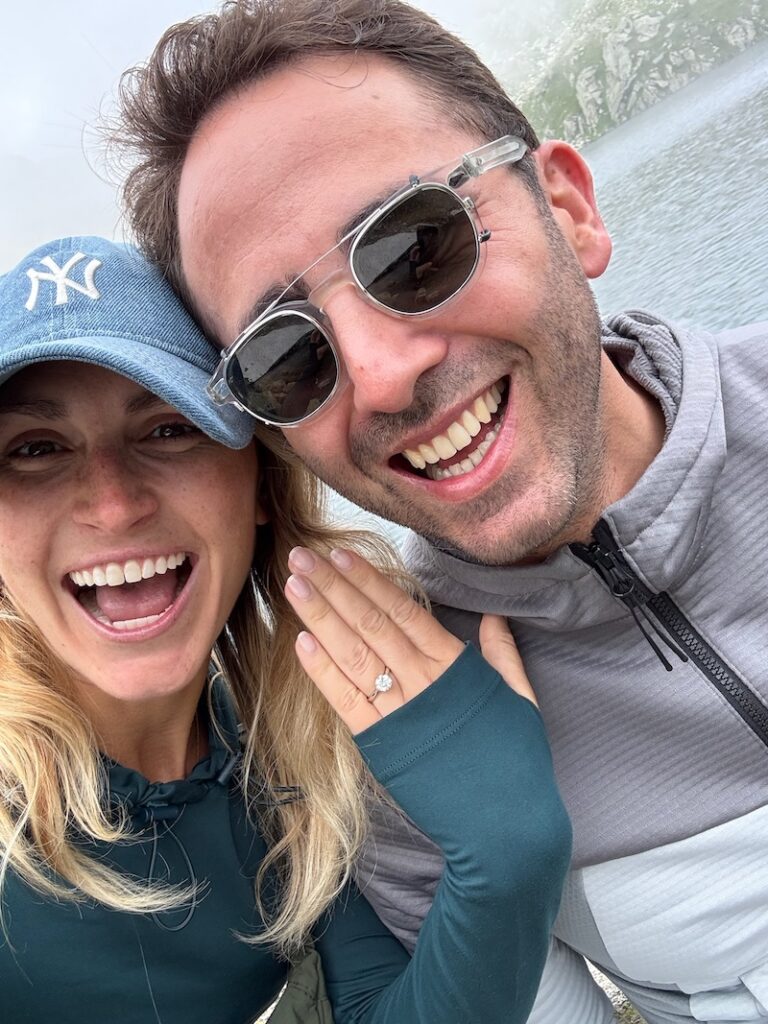
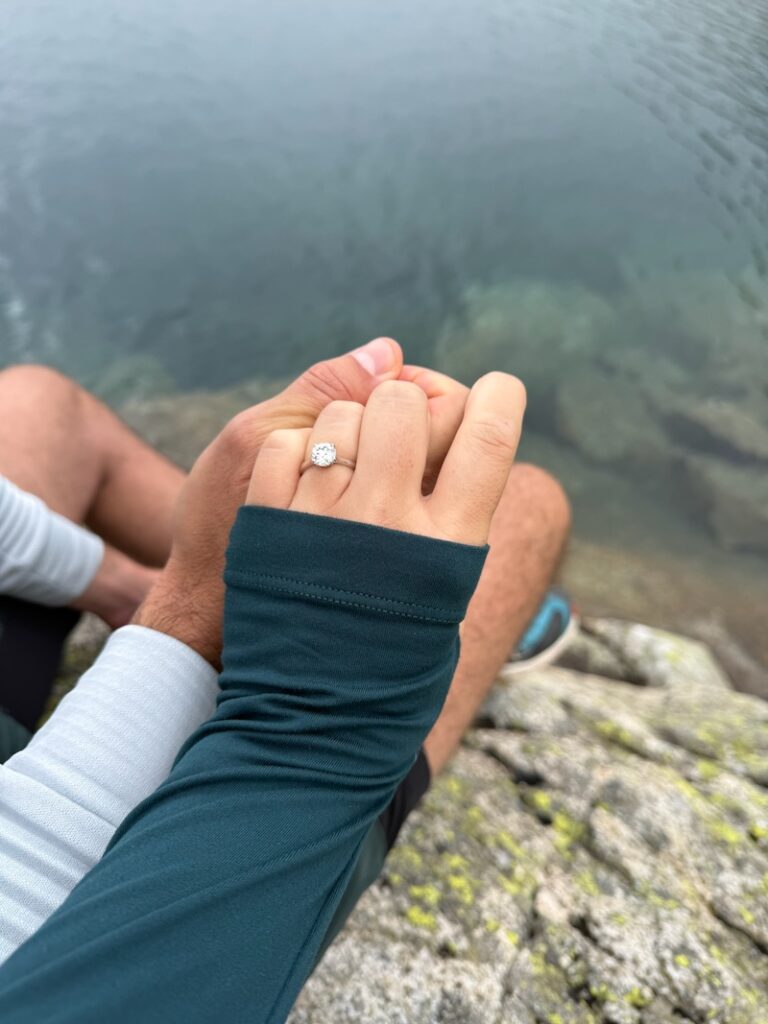
For more conversations like this, listen to Italy Answered and explore the Chat with an Expat series on Live in Italy Magazine.