
From stone-built towns and forests to ancient crops and wine country, a culinary journey through a region of many identities.
Umbria has no coastline, yet it has a tradition of fish cuisine. It is famous for truffles and meat, but it also has an equally surprising heritage of legumes, vegetables and extra virgin olive oils. This is a land where traveling just a few kilometers can change the landscape, the ingredients and even the name of the same dish.
Behind the familiar image of medieval villages and rolling hills lies a complex culinary geography. To understand it, knowing what people eat is not enough. We must also discover why certain flavors belong to particular places.
Gubbio: Memories of the Hearth
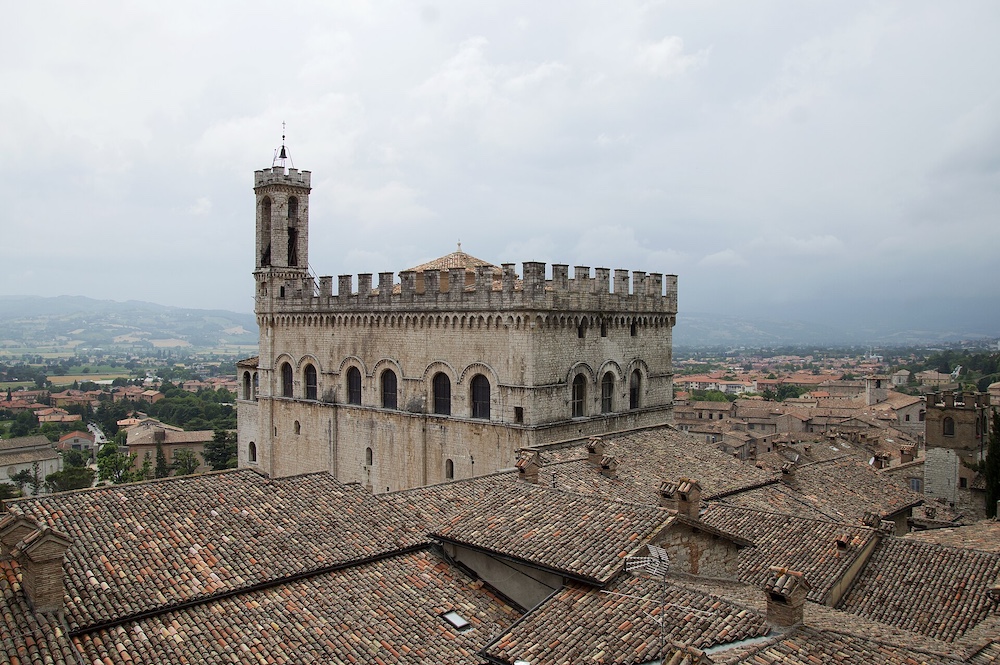
In Gubbio, where the imposing Palazzo dei Consoli dominates a city built of stone, the cuisine preserves the language of home cooking.
Crescia al panaro is a perfect example. A simple dough, cooked on an iron disc traditionally heated over the hearth, becomes a flatbread served with cured meats, cheeses and savory accompaniments. Interestingly, similar preparations change names as we travel through the region: torta al testo around Perugia, crescia in Gubbio and pizza sotto il fuoco in parts of southern Umbria.
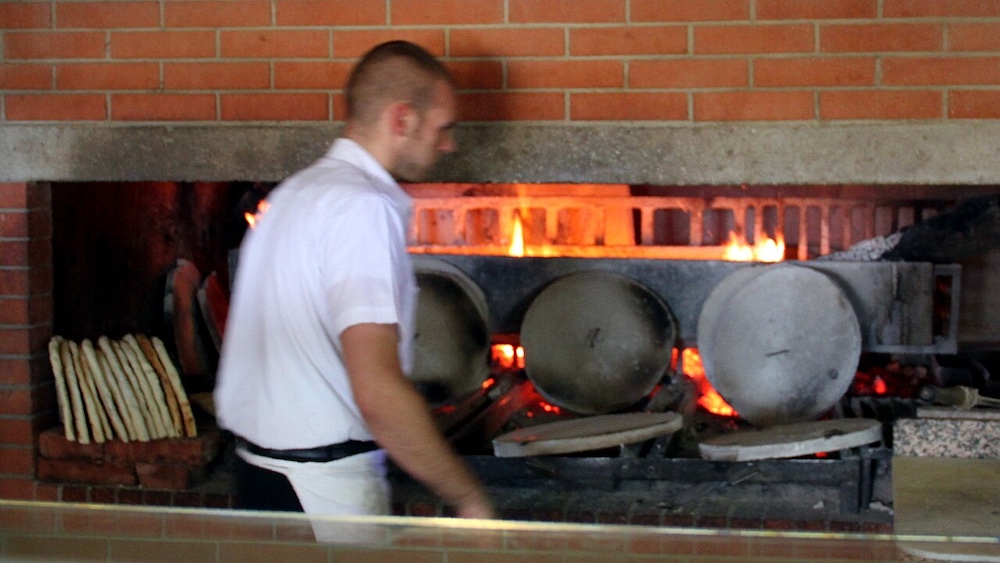
Alongside crescia, friccò all’eugubina tells the story of slow cooking. Prepared in several variations using chicken, lamb, duck or rabbit, this dish combines meat with wine, tomatoes and aromatic herbs to create a rich, flavorful sauce.
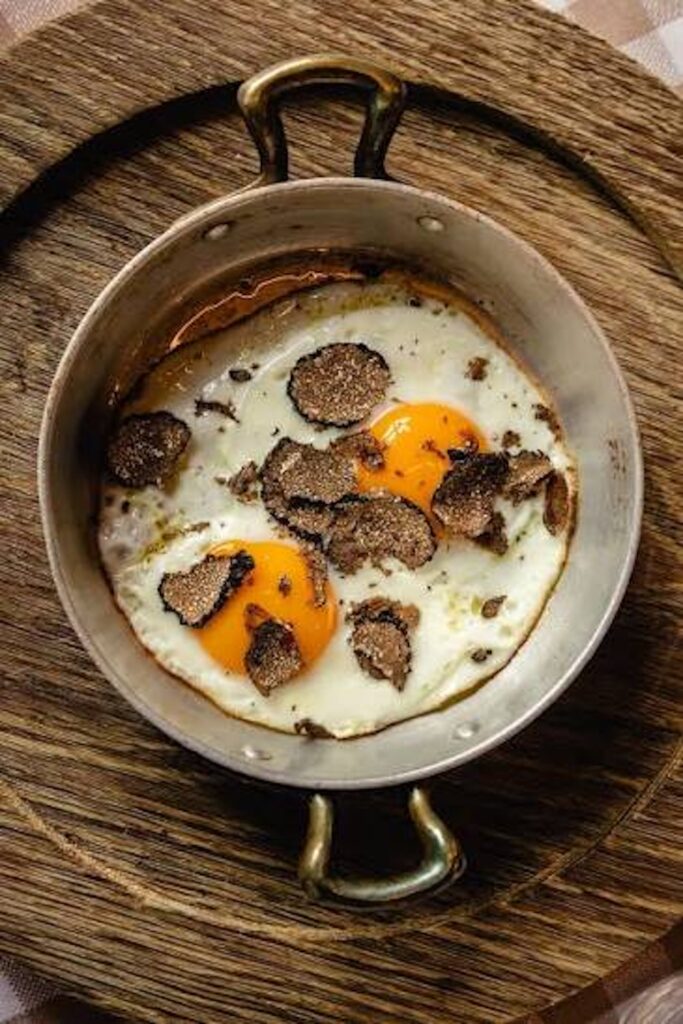
In the surrounding forests, truffles add another dimension to the local gastronomy. Different white and black varieties follow their own seasons and offer distinct aromatic profiles. Fresh pasta or an egg may be all that is needed to showcase their fragrance, provided the cooking technique respects the characteristics of each truffle.
The Mountains, Legumes and the Art of Preservation
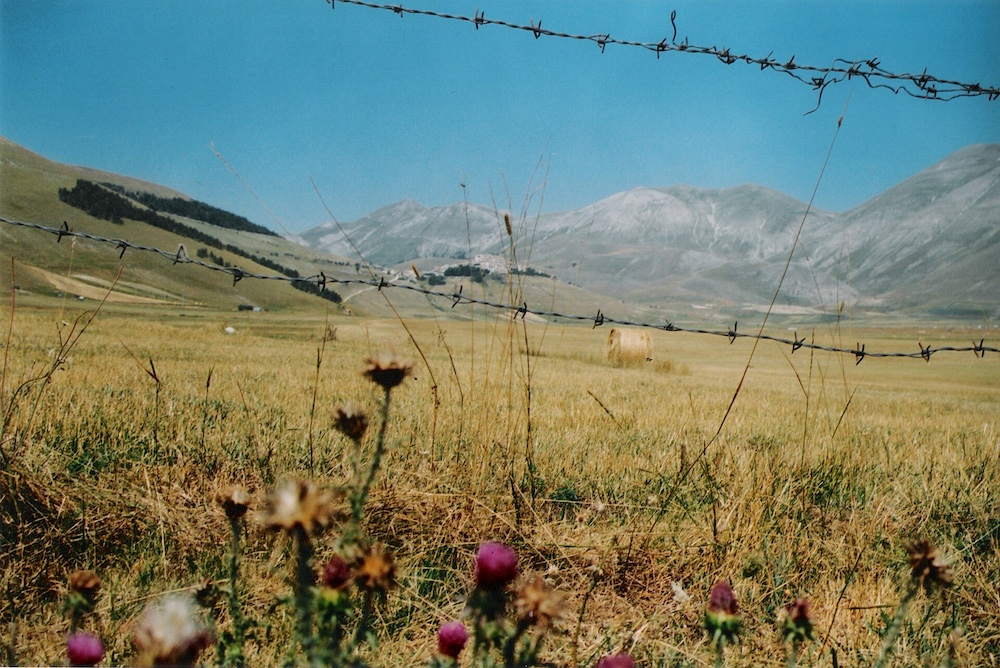
The Apennine Mountains reveal a different Umbria, shaped by livestock farming, shepherding and the need to preserve food resources.
In Norcia, the tradition of processing pork has become so deeply rooted that it gave its name to norcineria, the Italian art of pork butchery and charcuterie.
On the high plains of Castelluccio, however, the protagonist is a small PGI-protected lentil. It grows in a mountain environment where the climate and the length of the agricultural season profoundly influence the work of local producers.
Another part of this legume-growing heritage is roveja, an ancient crop of the central Apennines. Today, it is being recovered and appreciated for its culinary and agricultural significance.
Where Olive Oil Meets History
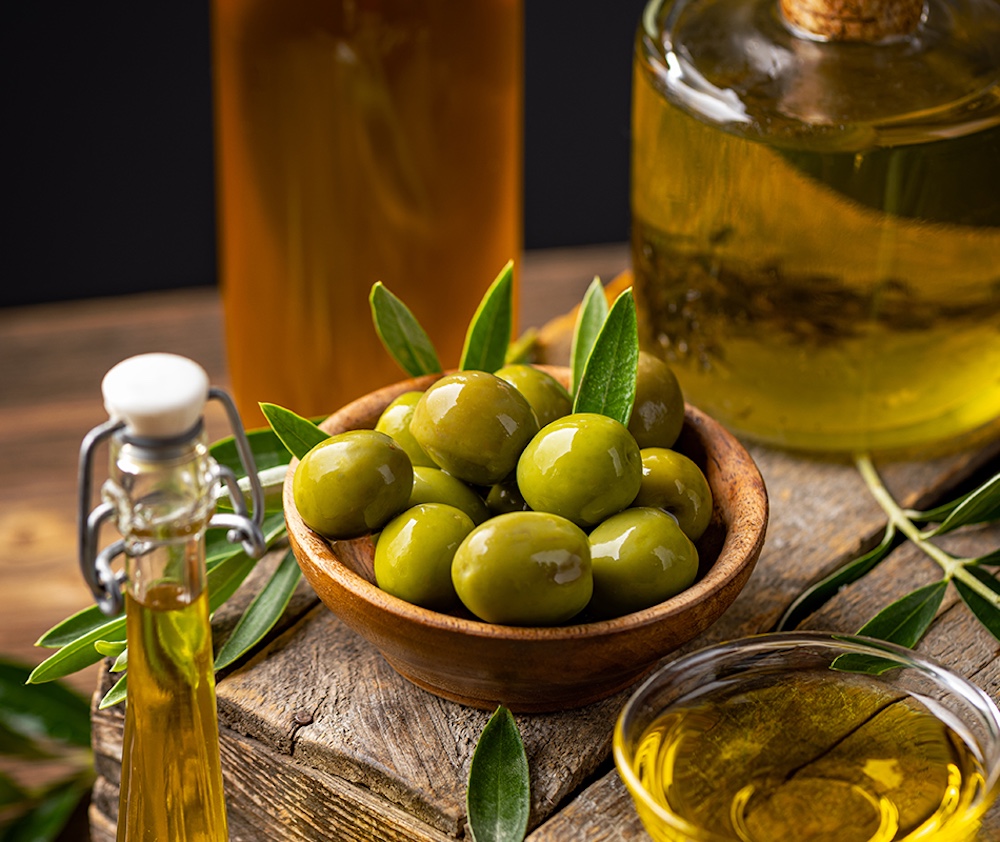
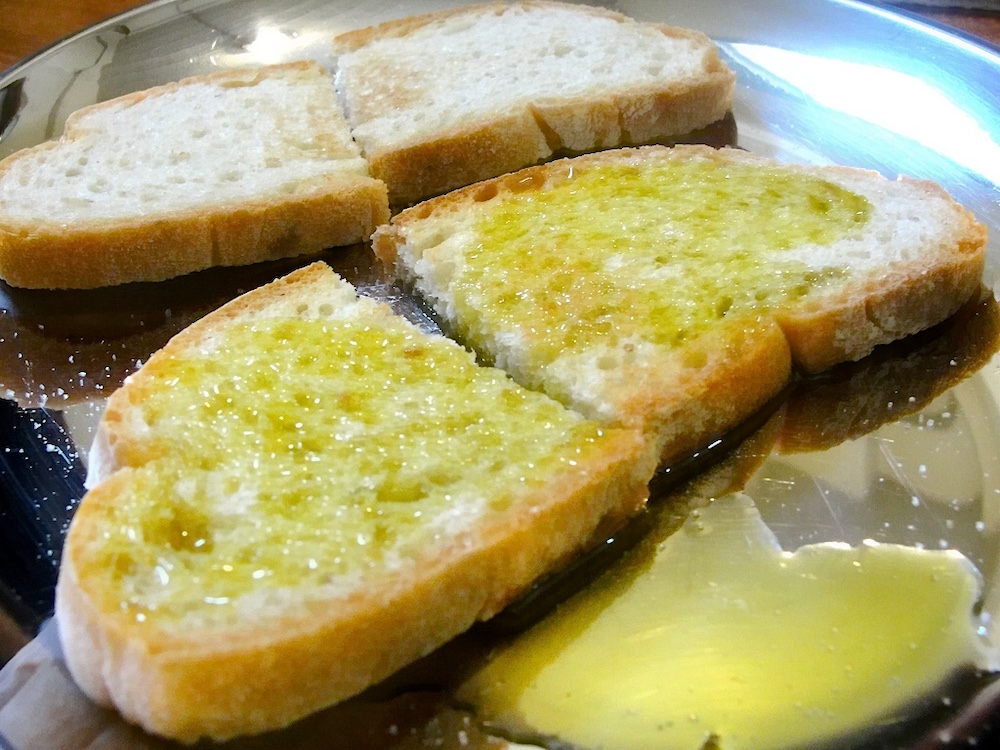
Across the hills of Umbria, olive trees shape the landscape and help define the region’s culinary identity.
Moraiolo, a particularly representative olive variety, can produce oils with an intense fruitiness, grassy notes, bitterness and a peppery finish. In a high-quality extra virgin olive oil, these characteristics are part of its sensory richness.
A drizzle of olive oil over a slice of unsalted bread is perhaps one of the simplest expressions of this gastronomic culture.
The origins of Umbria’s unsalted bread, known as pane sciapo, are often linked to the Salt War of 1540. However, earlier historical evidence suggests that this explanation is incomplete. It is an interesting example of how history and popular tradition can overlap.
In Trevi, the gardens near the Clitunno preserve another local specialty: sedano nero, or black celery. This variety has long, aromatic stalks that are traditionally less fibrous. It also features in stuffed preparations that combine vegetables and meat.
Lake Trasimeno: A Surprising Culinary Tradition
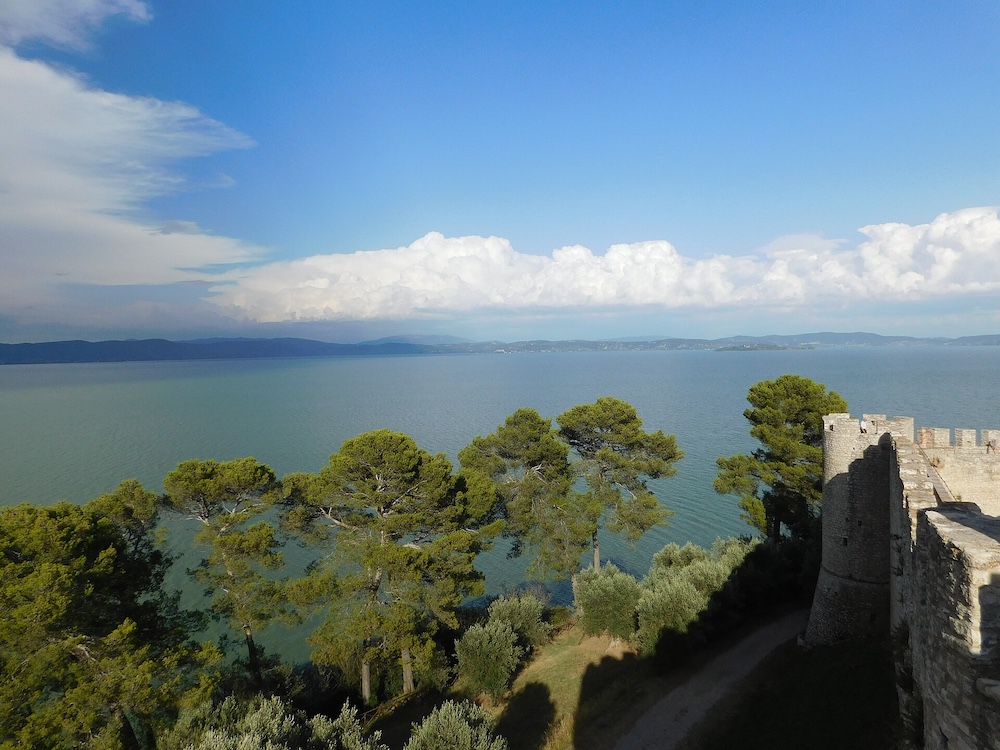
Umbria also has a culinary culture closely connected to water.
On Lake Trasimeno, carp, tench, perch and eels have sustained a long tradition of fishing and freshwater cuisine.
Tegamaccio, a fish soup named after the terracotta pot traditionally used to prepare it, is one of the most representative dishes. Even more unusual is brustico, in which fish is traditionally roasted over embers made from lake reeds, developing distinctive smoky notes.
Around the lake, another local treasure survives: fagiolina del Trasimeno, a small legume found in various colors, whose cultivation once came close to disappearing.
This is a culinary tradition rarely associated with the more familiar image of Umbria. That is precisely why it deserves to be discovered.
The Landscape in a Glass
Umbrian wine also tells the stories of different territories.
In Montefalco, Sagrantino expresses structure, concentrated tannins and the ability to evolve over time. This red wine finds compelling food pairings with braised meats, game and rich, succulent dishes.
Beyond Umbria’s Great Red Wines
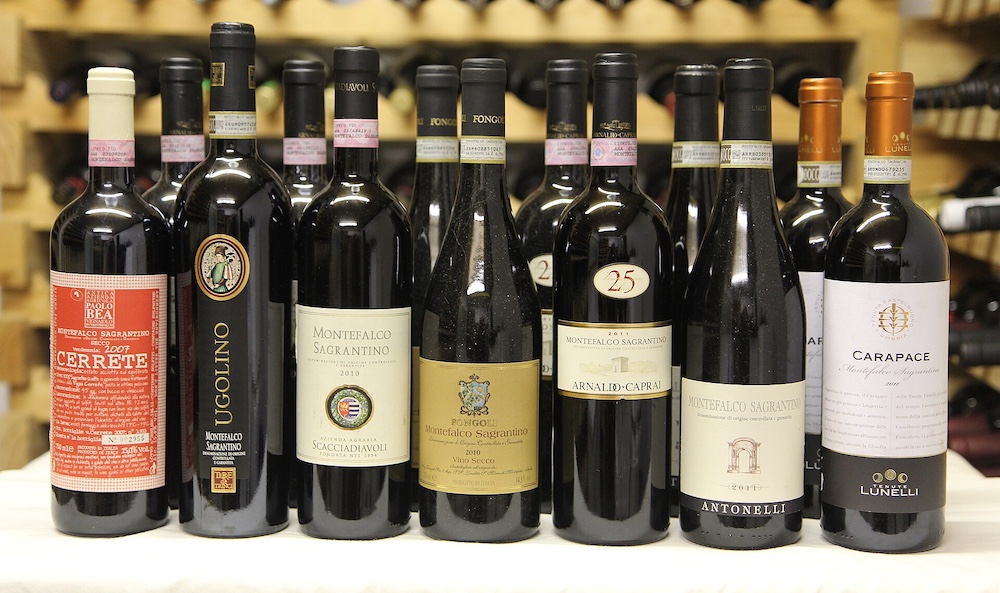
Yet the region’s winemaking tradition extends well beyond its celebrated reds.
Grechetto, in its various expressions, and Trebbiano Spoletino, a historic grape variety that has returned to the forefront of winemaking interest, demonstrate the diversity of Umbria’s white wines.
In Orvieto, winemaking traditions are intertwined with a geologically complex landscape where volcanic and sedimentary formations coexist.
Each territory offers a different interpretation of the relationship between the vine, the environment and the culture of wine production.
A Culinary Identity That Lives On
Umbrian gastronomy is not a static collection of ancient recipes. It is a living culture that continues to evolve through those who cultivate the land, raise animals, cook and interpret their surroundings.
Its originality lies not only in its famous products but also in the less obvious differences: a cooking technique, a rediscovered agricultural variety or an ingredient used differently from one valley to the next.
In Gubbio, a crescia cooked on the panaro preserves the gestures of the hearth. In Trevi, a vegetable tells the history of the Clitunno gardens. On Lake Trasimeno, the aroma of fish roasted over reeds evokes a tradition far removed from the familiar image of Apennine cuisine.
These are details that rarely appear on postcards, yet they are part of the very essence of a place.
Because you cannot truly know a place simply by traveling through it. Sometimes, you have to learn to taste it.