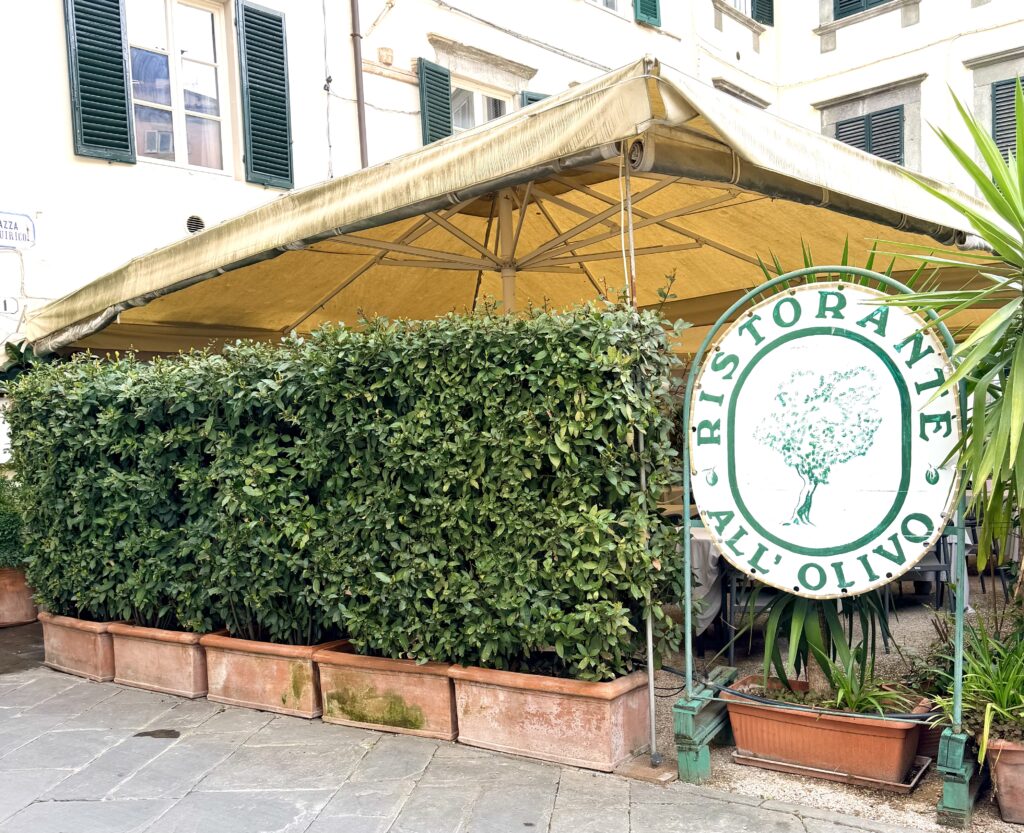
Osteria, Trattoria, & Ristorante. Oh, My!

“What,” my husband recently asked me, “is the difference between an osteria and a trattoria?” We were looking for a place to have Sunday lunch. “And, he continued, what about a ristorante?”

If you’ve been to Italy, you’ve undoubtedly seen osteria, trattoria, and ristorante on signs. To the American eye, they probably all look pretty similar. Undoubtedly, though, you’ve wondered what the differences are, if any, and what one offers that the others don’t.

While some places use the terms interchangeably today, the origins are different, and you can expect to find some differences in each. The biggest distinctions are in the atmosphere, the price, and the complexity of the offerings. Let’s look at them.

Osterie
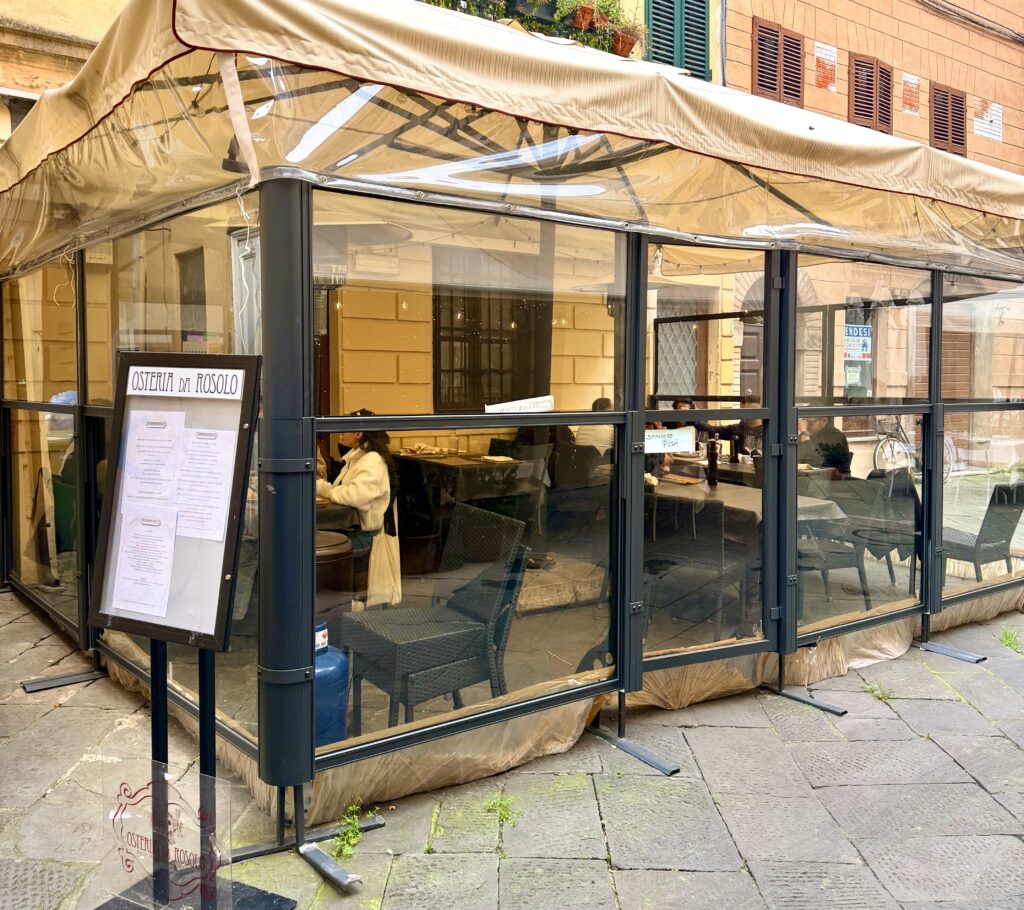
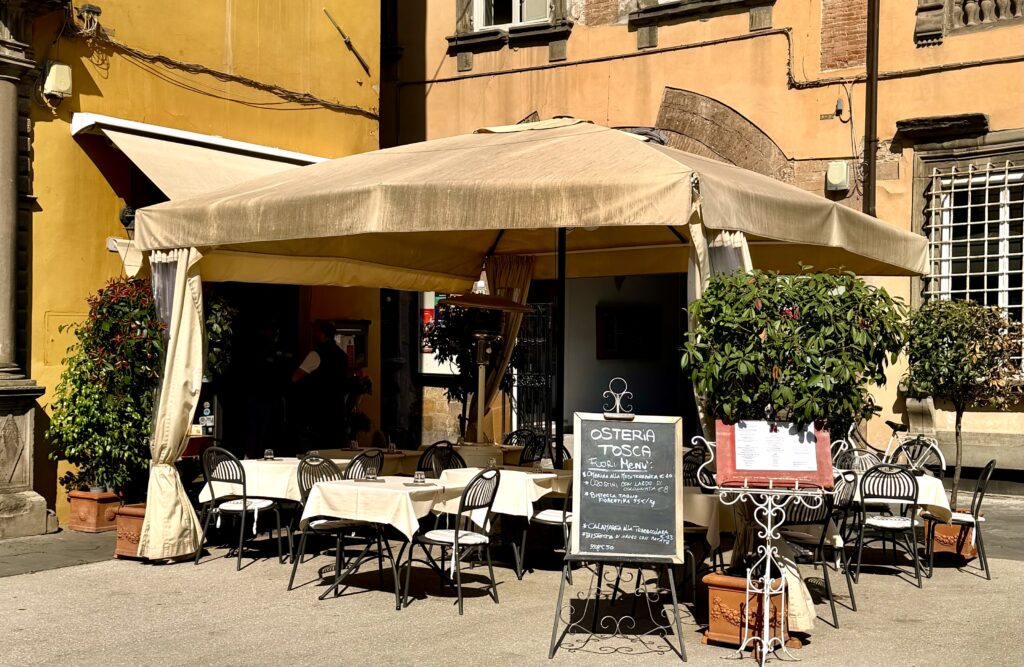
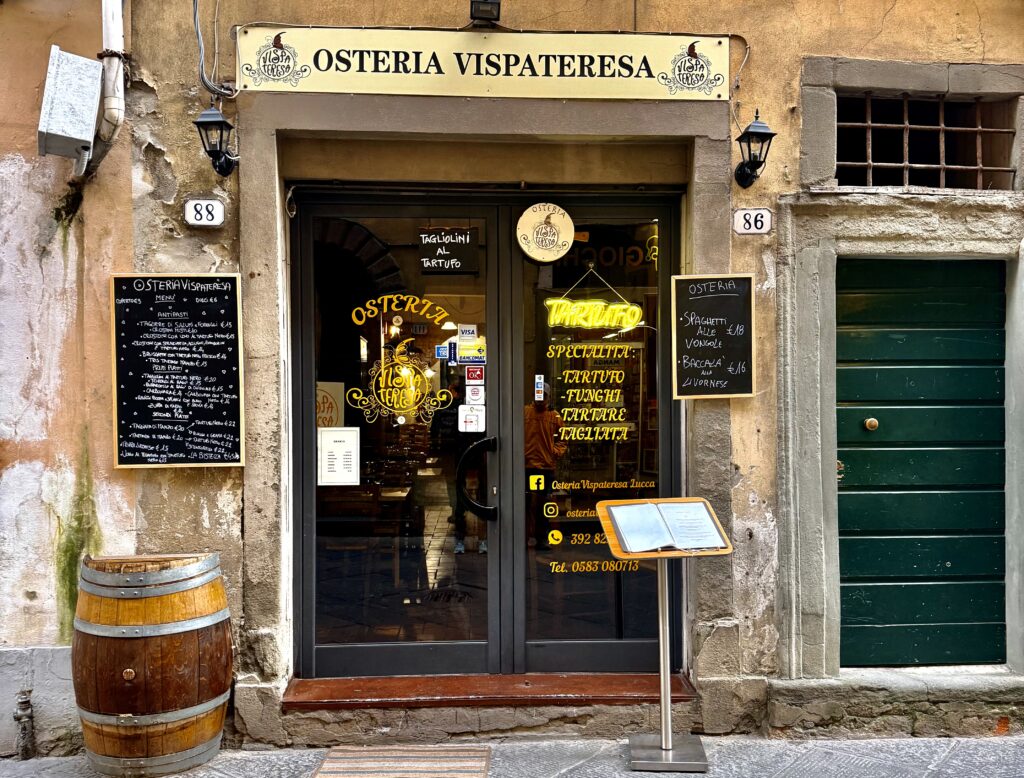
Dating to medieval times, osterie were taverns that offered wine and snacks to their customers. The tables were communal and usually rough-hewn wood without tablecloths. Many osterie allowed customers to bring in their own food and simply order wine to accompany it. Osterie were for the common man….a place to enjoy companionship, food, and celebrations.

Today, an osteria is the most informal of the three types of establishments. You’ll find a simple, more-limited menu and, often, one that changes frequently. Many osterie may have handwritten menus or menus on boards. The osterie themselves are often warm and inviting, a bit homey, as it were.

Trattorie
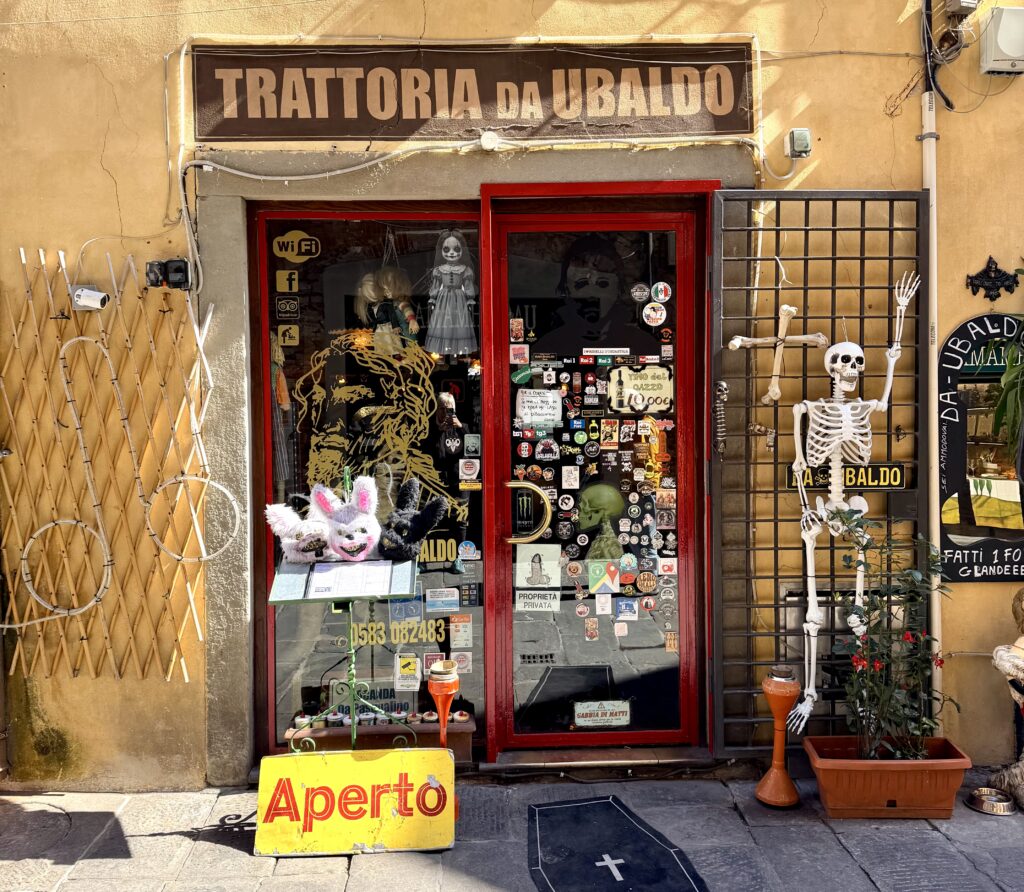
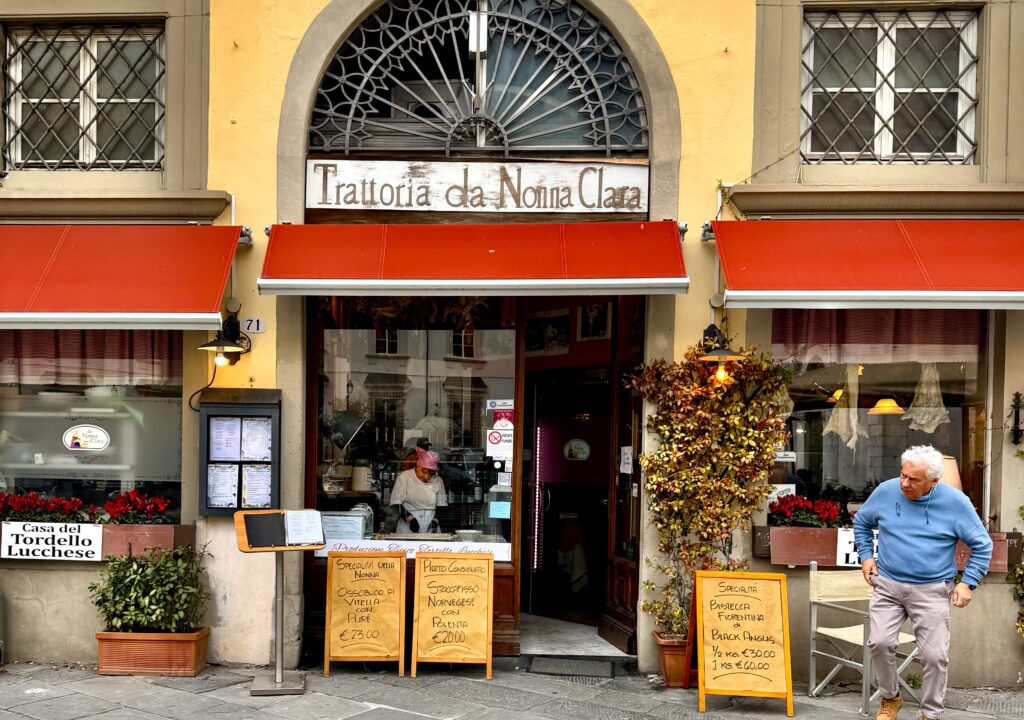
Trattorie originated as family-run businesses with mamma and nonna cooking, papa waiting tables, and nonno serving wine. Often, trattorie were places where women could work because cooking was one of the things they could do outside of the home.

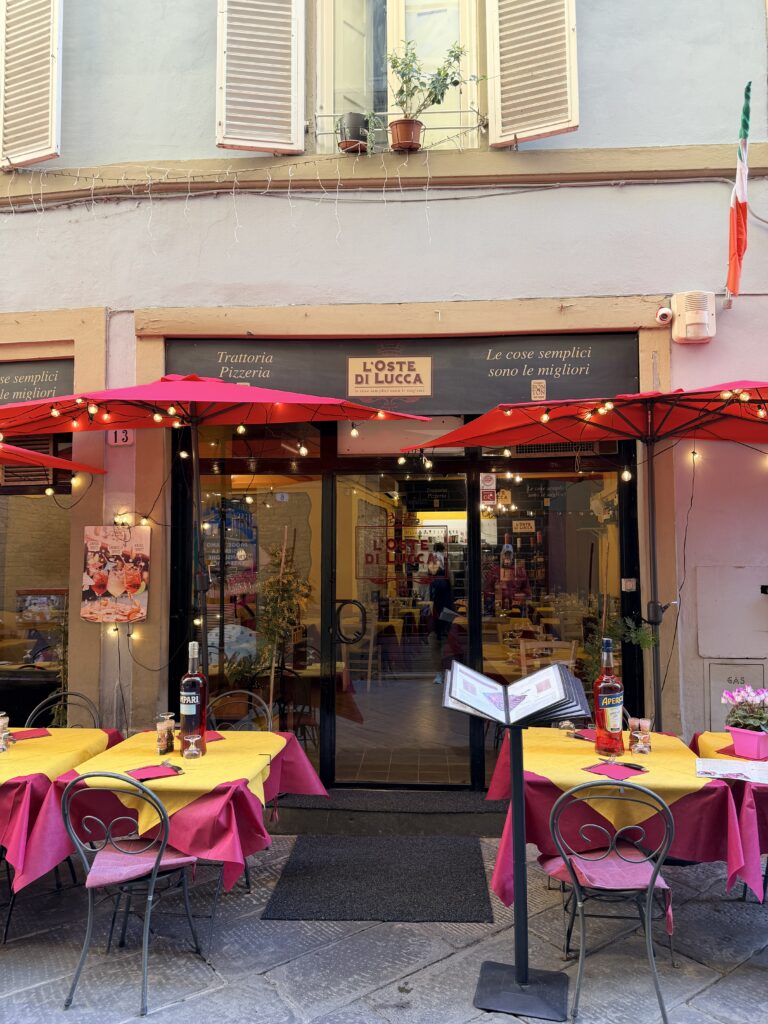
Like the osterie, trattorie are informal restaurants that offer simple fare. Today, the trattorie menus tend to offer regional specialties made from regional and seasonal ingredients. The trattorie offer a warm, friendly atmosphere, and you are apt to find red-check tablecloths covering their tables.

Ristoranti
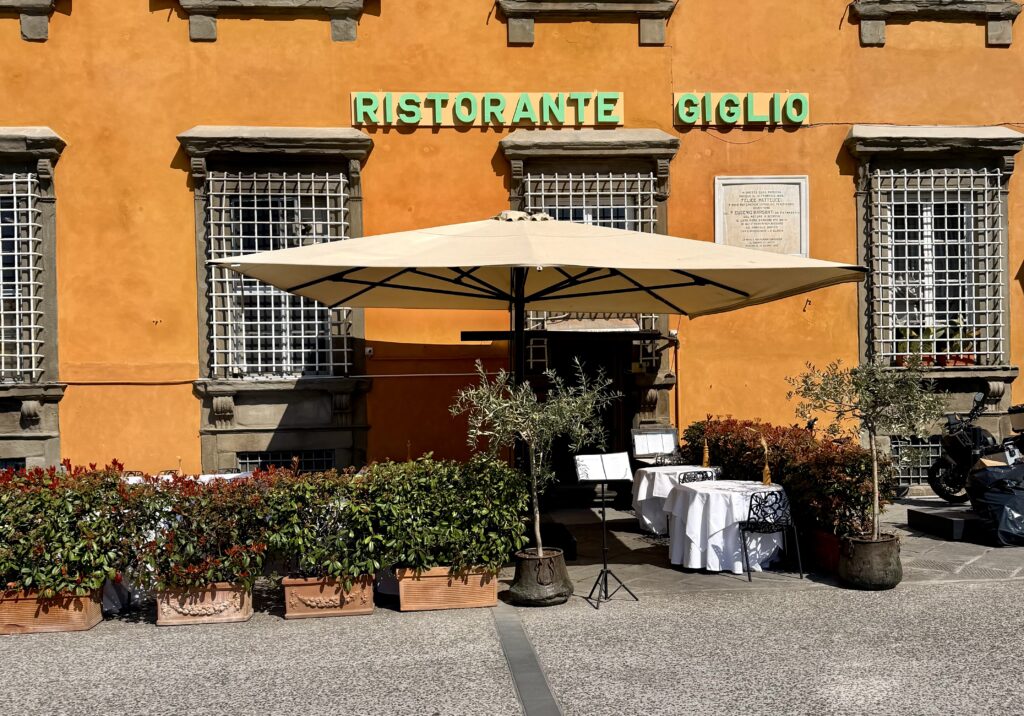
Only since the late 18th century or so have restaurants become part of the world social scene. Until then, the upperclass considered public spaces to be dirty and, therefore, unhealthy, so they tended to eat at home. After the French Revolution, chefs who were no longer in the employ of aristocrats opened establishments for the public.

It follows, then, that ristoranti are the most formal of the three eating establishments. Usually, the menus are more complex and varied, and service is more proper. White tablecloths and crystal wine glasses cover tables. Many of the waitstaff have been with the ristorante for years, and some make a career of it. Prices, of course, tend to be higher.

And What About…..

There are other eating establishments in Italy, of course, with a pizzeria being at the top of the list. Next time we’ll look at a few others that might catch your eye…and your appetite.

Author

  • Chris Cutler

    Christine Cutler is a writer, photographer, editor, guide, teacher, traveler, Ohio native, Florida resident, and world citizen. she lives in downtown St. Petersburg with her husband and crazy Welsh terrier, and she considers Italy, where she holds dual citizenship, her second home. in addition to being travel editor and writing for live in Italy magazine, she maintains her own websites (coldpastaandredwine.com and christinecutler.com), guides small groups through Italy, and is a travel advisor for Adventures by Jamie (adventuresbyjamie.com) a travel, non-fiction, and memoir writer; photographer; and editor whose work has appeared in various publications, she spends as much time as she can exploring—and living and breathing—Italy.

    View all posts
Chris Cutler

Travel Editor

Christine Cutler is a writer, photographer, editor, guide, teacher, traveler, Ohio native, Florida resident, and world citizen. she lives in downtown St. Petersburg with her husband and crazy Welsh terrier, and she considers Italy, where she holds dual citizenship, her second home. in addition to being travel editor and writing for live in Italy magazine, she maintains her own websites (coldpastaandredwine.com and christinecutler.com), guides small groups through Italy, and is a travel advisor for Adventures by Jamie (adventuresbyjamie.com) a travel, non-fiction, and memoir writer; photographer; and editor whose work has appeared in various publications, she spends as much time as she can exploring—and living and breathing—Italy.

No Comments Yet

Leave a Reply

Your email address will not be published.

Live in Italy Magazine is an experiential travel and lifestyle magazine dedicated to all things Italy. Monthly features: “Chat with an Expat” – a in depth conversations with people who have moved permanently to Italy. “Italy Answered” our Spotify podcast features Italians with special stories and more. We are committed to authentic and sustainable travel and spotlighting “Made in Italy”.
Named the Best Italy Magazine by Feedspot for two consecutive years!

We feature in-depth articles and interviews covering:

  • Expat Life
  • Food & Wine
  • Travel
  • Lifestyle
  • Design, Art, & Culture
  • Real Estate, Hotels/Resorts & Long-Term Rentals

We are committed to creating great content. Please consider becoming a Sponsor by donating on Patreon

Thank you for your support!

Our Contributors:

Lisa Morales, Editor-in-Chief (Miami)
Christine Cutler, Travel Editor (St. Petersburg, FL)
Lorenzo Diamantini, Food Editor (Gubbio)
Adriana Suarez, Top 8 Editor, Social Media Manager (Miami)
Angie Kordic, Visual Arts Guest Contributor (Sweden)
Feuza Reis, Guest Contributor (Miami)
Patrizia Vigolo, Wine Contributor (Vicenza)
Natalia Bell. Food Contributor (Scotland)
Emma Prentice, Guest Contributor (UK)
Chiara Borghesi, Contributor & Italian Language Advisor (Siena)
Annalucia Scotto Di Clemente, Guest Contributor (Rome)
Dennis Woudt, Guest Wine Contributor (Netherlands)
Jemma Fowler, Guest Contributor (UK)
Paola Cirino, Guest Contributor (Napoli)
Justin Patulli, Contributing Editor (Canada)
Sara Bauer, Contributor (Milan)
Valentina Salcedo, Contributor (Trieste)
Piera Demartis, Guest Wine Contributor (Sardegna)
Reginald Dunlap, Interior Design and Luxury Lifestyle Contributor (Miami/Noto)
Raluca Kotowski, Contributing Photographer & Storyteller (Miami)
Sandra Diaz-Velasco, Architecture & Design Contributor (Miami/Colombia)

Al Esper Graphic Design: Digital Edition Art Director (Tennessee)
Profit.Mov–Content Creation: Aaron Morales & Caitlin Watson (Miami)
SQLHardhat: Aaron Morales, Website Design and SEO (Miami)
Visual Popcorn: John Craven, Video Editor (Miami)
“Italy Answered” Podcast Editor, Charles Dike (Estonia)
Sabrina Negro, Translator (Piemonte)
Giulia Ferro, Subtitler EN/IT (San Michele all’Adige)

Sales: sales@liveinitalymag.com

Submit Your Press Release: lisa @ liveinitalymag.com

Guest Contributors:

Guest Contributor applicants should have a good understanding of WordPress. Email links to recent articles along with your social media handles to: lisa @ liveinitalymag.com.