
A conversation with Danilo Romolini, Managing Partner and Broker at Romolini Immobiliare | Christie’s International Real Estate, recorded for the Italy Answered podcast.
If you have ever searched for luxury properties in Italy on YouTube and found yourself immersed in sweeping drone footage of villas, vineyards, and historic estates, chances are you have come across the work of Danilo Romolini. As Managing Partner at Romolini Immobiliare | Christie’s International Real Estate, Romolini represents a new generation of Italian real estate professionals combining heritage, transparency, and modern storytelling.
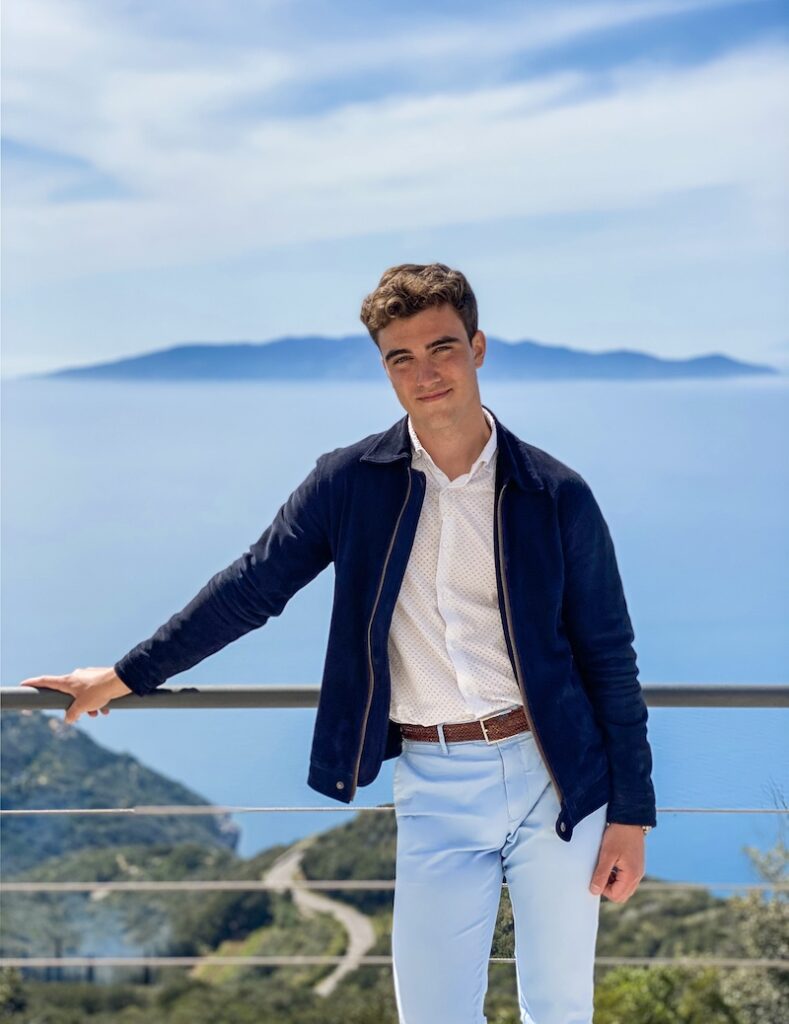
This conversation was recorded for the Italy Answered podcast and is presented here as a formatted, follow-along interview. The dialogue has been lightly edited for clarity, with spoken redundancies removed, while preserving the natural flow and voice of the conversation.
Your Background and Family Business
Let’s start with you. Can you share your background and how you became part of the family business?
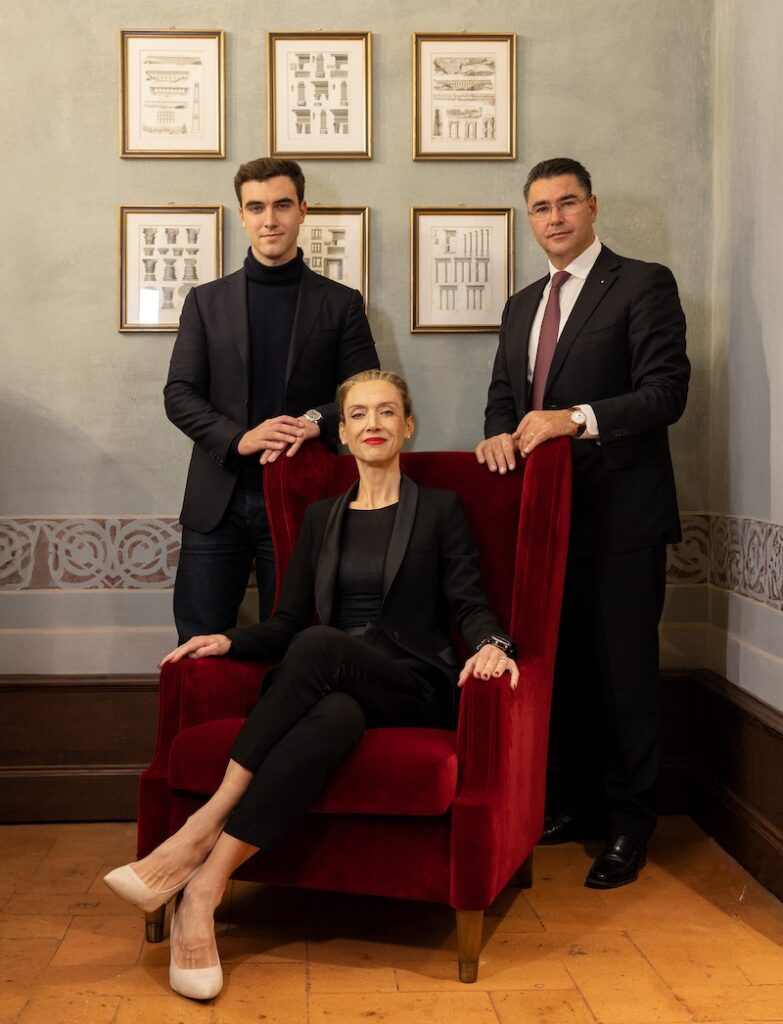
I was born and raised in Italy. My parents were very young when they had me, and they started the business around the same time. I was born in 2000, and Romolini Immobiliare was founded in 2004, so I really grew up alongside the company.
I’ve seen the business from the very beginning, from when it was just starting to where it is today. That had a big impact on my journey because I saw my parents struggle in the early years and then slowly achieve their goals. When I finished school and had the chance to add my own contribution, I really wanted to develop aspects of the business that didn’t exist yet.
Even though I’m officially about five years into the business, real estate has been part of my life for as long as I can remember. My parents talked about real estate constantly. My father would take me to see castles and historic properties several times a week. I really grew into it naturally.
When Did You Know This Was Your Path?
Was there a moment when you realized real estate was truly your passion?
I think a big part of it comes from how my parents involved me and passed on their appreciation for beauty. My father loves beautiful things, antiques, and objects with history. He has collections of antique pieces he’s gathered throughout his life, and I grew up surrounded by that appreciation for heritage.
At the same time, I became fascinated by sales. Sales are everywhere in life, and I found that world very interesting as I was growing up. I also realized how lucky I was to be part of a family business that was so fascinating and dynamic.
The first few years were challenging. I wasn’t always sure it was the right path, because things take time to work. But once I found my own style and my own way of working, I understood that this was what I wanted to do.
Real estate is also very broad. It’s not just about selling. You can invest as well. When I was 20, I made my first real estate investment in a small apartment building. That experience made me even more passionate because I now sell real estate, invest in it, and help grow the family business at the same time.
A Family Business, Beyond Family Members
Is your entire family involved in the business today?
My sister is 19 and is studying medicine, so she’s in a completely different field, but it’s good to have a doctor in the family. My brother is 15, so he still has time to decide what he wants to do.
In the early days, my aunt worked as our office manager. Today, my mother’s cousin is one of our agents. But more than having family members involved, what defines us is the family approach to the business.
Real estate is very relationship-based, and it can also be very competitive. We are competitive, of course, but we care deeply about our team. We treat people like family, and I think that approach really shows in how we work and how clients perceive us.
Where Buyers Are Looking Beyond the Obvious
We often hear about Tuscany, Lake Como, and the Amalfi Coast. Are you seeing interest in other regions as well?
We specialize mainly in central Italy: Tuscany, Umbria, parts of Marche, and Emilia-Romagna. Tuscany and Umbria remain the most requested regions, and after speaking with colleagues across the country, that trend holds true.
Tuscany has become a brand in itself. You leave Florence and immediately find Chianti or Val d’Orcia. Everywhere you go, there’s an active market, beautiful scenery, and strong services. Umbria is still less known, especially to Americans, but it’s growing quickly. Prices are about 20 percent lower than Tuscany, and many clients see it as quiet luxury.
Marche is another region to watch. It offers incredible landscapes, rolling hills, and the sea, often at a fraction of Tuscany’s prices. Sicily is also gaining momentum.
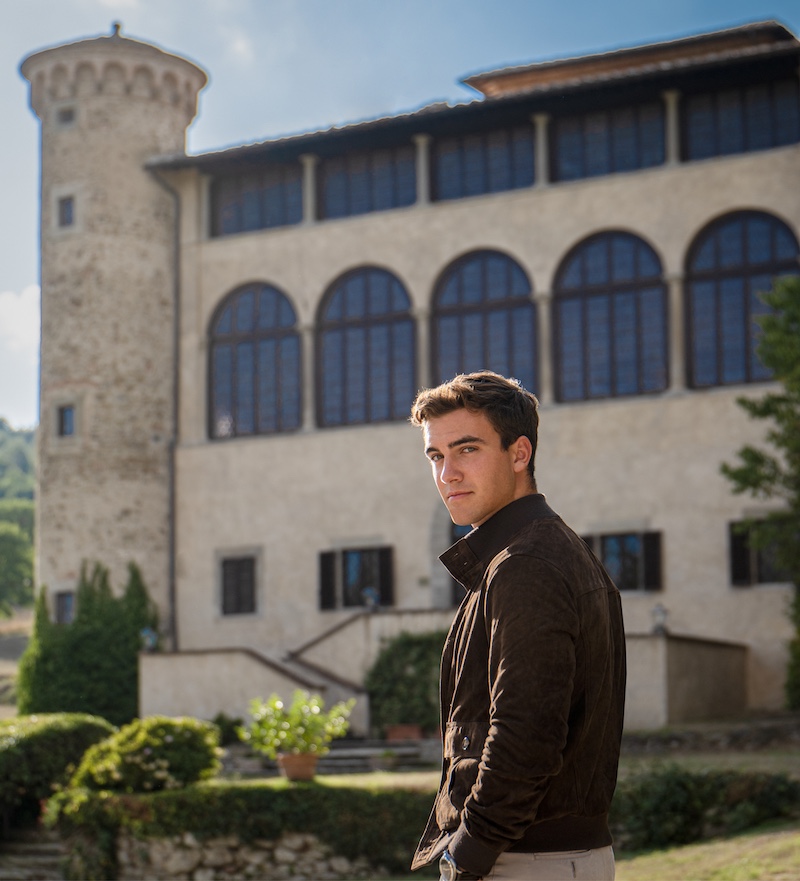
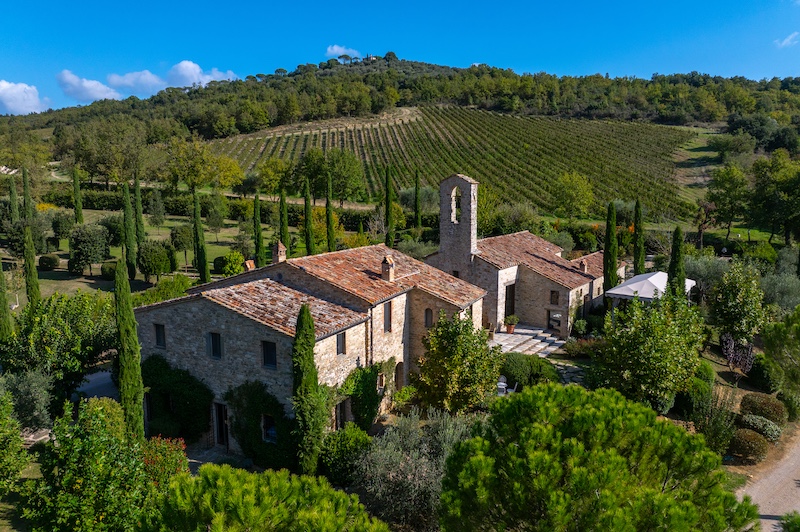
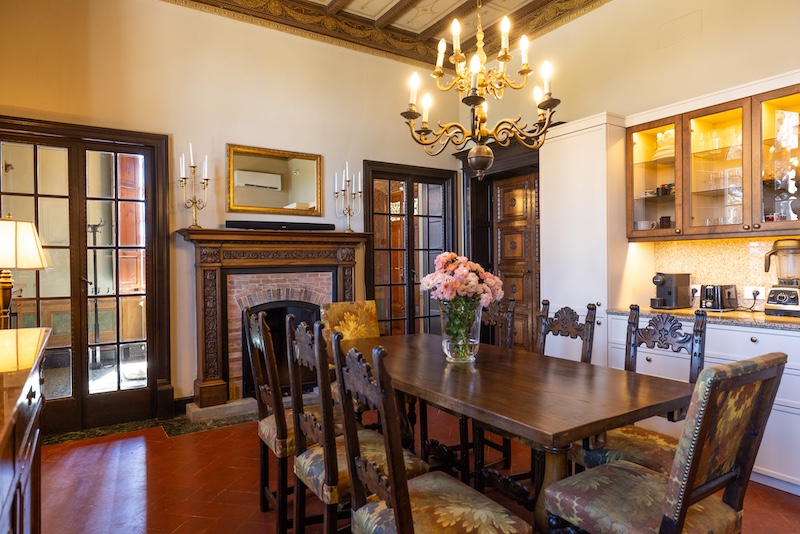
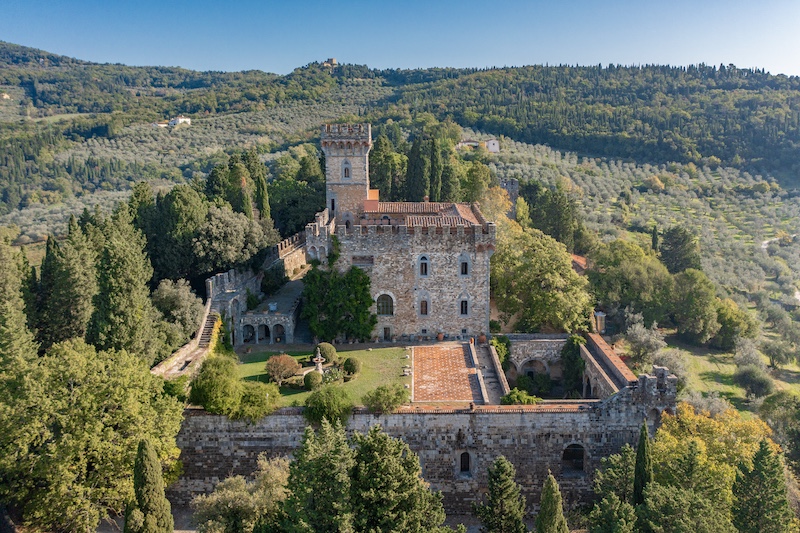
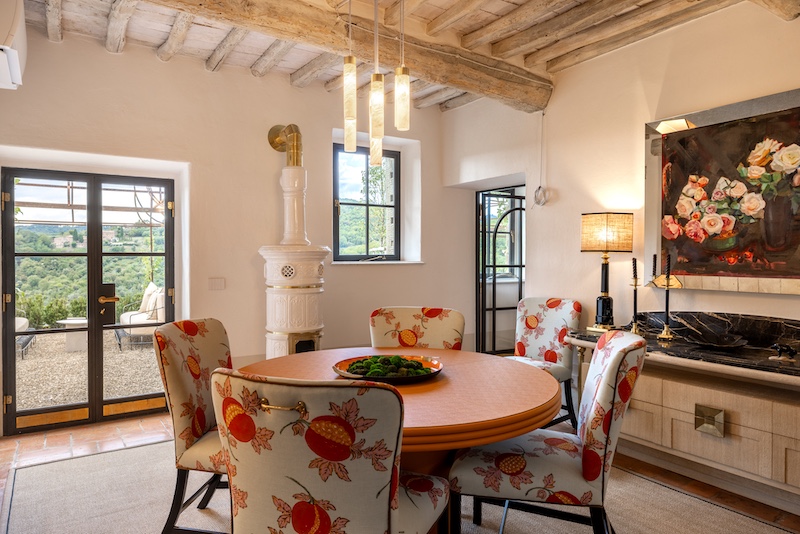
We’re also seeing growing interest in higher-altitude properties, above 700 meters, which are attractive not only in winter but increasingly in summer as well.
The YouTube Channel and Building Trust
Your YouTube channel has become a major resource. How did that begin?
When I was about 16, I was watching property tour videos from New York and Los Angeles. They were glamorous, but more importantly, they showed properties in a way that photos couldn’t. They also positioned the agent as the go-to expert.
I thought about Italy. We may not always have ultra-modern properties, but we have 1,000-year-old castles, historic villas, and places where history was literally made. These are unique pieces, almost like works of art.
I started very simply, filming on my phone and editing the videos myself. I was shy at first, and the early videos were not professional. But within the first ten videos, some reached half a million views.
In Italy at that time, no one was doing this. Within a year, we started selling properties directly from the videos. I sold a castle for several million euros to buyers who had never seen it in person. They trusted the process because they followed the videos and saw the Christie’s brand.
Today, this has become normal. I’ve sold properties in Montepulciano and on the Amalfi Coast without in-person visits. The videos build trust, and that trust translates into real transactions.
Transparency and Client Relationships
People often comment on your transparency and approachability. Where does that come from?
My parents taught me one simple rule: tell the truth. It sounds obvious, but not everyone follows it.
In difficult situations, whether in business or in life, their advice has always been the same. Transparency builds trust, and trust builds a brand. Because of that approach, sellers contact us directly. We receive five to ten new listings per week without actively searching.
We receive over 350 buyer inquiries per month, compared to an average of 30 to 60 for agencies of similar size. That tells us clients appreciate how we work.
Investment vs. Lifestyle
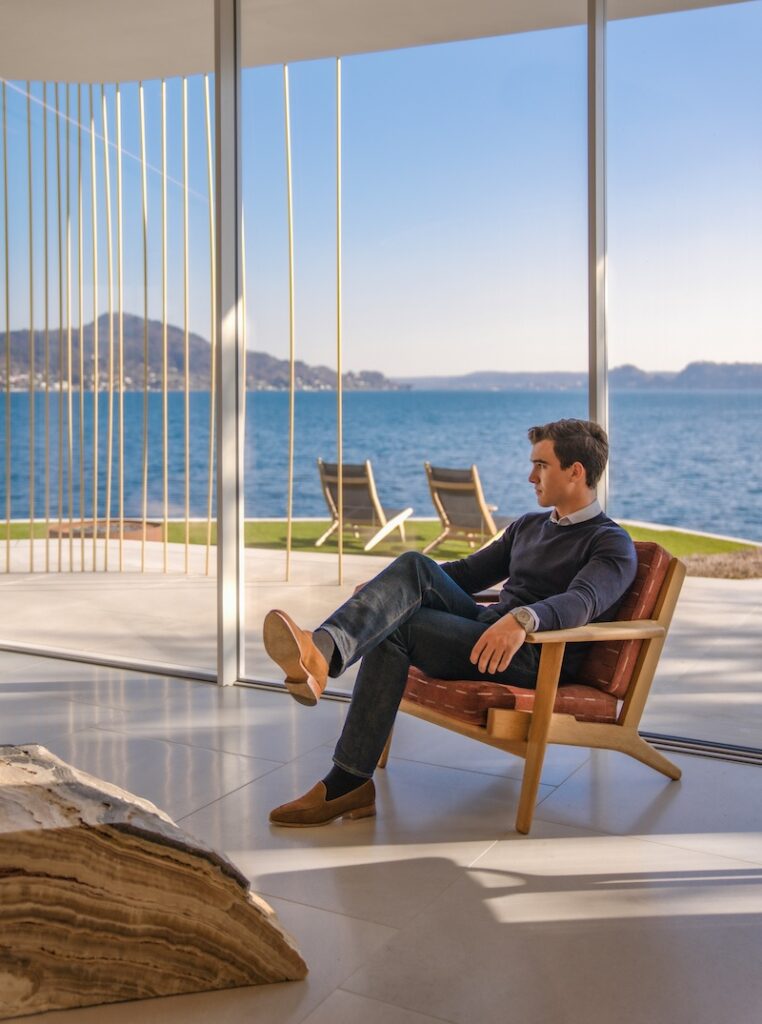
Are your clients primarily investors, or are they looking for lifestyle and legacy?
Actually, aside from properties like boutique hotels or running businesses, which we also sell, most clients are really looking for a holiday home or a residence. In many cases, they’re buying a property that will hold its value and may increase over the long term, but Italy is a fairly linear market. It doesn’t grow dramatically year over year, although it does tend to hold value.
In general, the return on investment, even if you rent the property, is not as strong as other types of investments you could make. And I think it’s very important to be transparent about that from the beginning. Clients need to understand that buying property in Italy is usually a lifestyle choice. It’s about enjoying the home with family and friends.
I often work with large families who are spread across different countries or across Europe. They’re looking for a central place to gather, to spend time together, and to create memories. These properties also become legacy homes. In Italy, this idea is very common. Historically, important families owned important buildings and estates, and that became part of their heritage and identity.
If someone asks me what the best investment is purely from a financial perspective, I would probably suggest something like an apartment building. But if you’re looking for a piece of history, almost like buying a work of art, something you can enjoy with your family, that holds its value and can also be rented, then Italy makes sense.
Vineyards are a perfect example. We sell many vineyards and are probably among the most specialized in this area in Italy. My father is a third-degree sommelier, and we also have an enologist and an agronomist working as agents on our team, so we’re very specific about this sector. Even when a vineyard is an operating business, especially in wine, it’s still a lifestyle investment. It’s a bit like owning a beautiful boat. It may cover its costs if you operate it or rent it out, but it’s not about generating large profits. Clients understand this, and they buy because it gives them pleasure, connection, and something meaningful to pass on.
Accessibility and Financing
Are there properties accessible to non-HNWI buyers?
Absolutely. We have properties starting around €150,000 for apartments or townhouses in villages. Country homes with pools can start around €700,000 or €800,000, even in Tuscany.
Foreign buyers can obtain mortgages in Italy, often at very favorable rates compared to the U.S. Currently, rates are around 3 percent fixed (which is actually high for us). Foreigners are typically financed up to 50 or 60 percent, depending on their financial situation, and the process is straightforward.
We work closely with attorneys and mortgage brokers, and so far, every client we’ve introduced has successfully obtained financing.
Golden Visa and Residency Trends
Have Golden Visa and tax residency programs increased demand?
Yes. Italy’s flat tax regime and the investor visa have played a role. The flat tax, introduced in 2017, initially set at €100,000 and now €200,000, has attracted many high-net-worth individuals.
The Golden Visa requires either a qualifying investment or investment in Italy, often around €500,000. These programs have contributed to increased demand, especially in the luxury segment.
That said, most clients already have advisors. What they need is local expertise. Italy has many nuances, especially in countryside purchases, agricultural tax benefits, and local regulations. A local advisor makes a real difference.
Building Long-Term Relationships
How has your family built such lasting client relationships?
It’s a process. Clients follow us for a long time before contacting us. They see how we work, how we present properties, and how responsive we are.
From the beginning, we set clear expectations and explain everything upfront, even uncomfortable details like taxes or fees. That honesty builds long-term relationships.
Many clients become friends. I often have dinner with people I sold properties to years ago. One day, they may sell again, and I hope they’ll choose us.
Looking Ahead
This conversation reflects how Italian luxury real estate today is shaped not only by price points and locations, but by trust, transparency, and lifestyle. For many buyers, Italy represents more than an investment. It represents heritage, connection, and a different way of living.
Readers interested in hearing the full conversation are encouraged to listen to the complete Italy Answered podcast episode.
Where to Find Romolini Immobiliare
You can find us at romolini.com or simply search Romolini online. We’re on YouTube for full property tours, Instagram for photos and short videos, and also on Facebook, LinkedIn, and TikTok. Once you start following us, you’ll find us everywhere.
Website
YouTube
Instagram
LinkedIn
Facebook
X