
Exports are slowing, and wineries are lowering prices to remain competitive. As producers consider new markets, communication, and events, the challenge is to support sales while protecting their long-term business health.
The United States is a crucial market for Italian wine. Current difficulties affect many Italian wineries, which must navigate a period of harder sales and shrinking profit margins on each bottle.
The figures illustrate the pressure:
- In the first half of 2026, Italian wine exports to the United States totaled €849 million, down 14.1% from the same period in 2025.
- The average export price fell by 7.8%
- Worldwide, Italian wine exports declined by 6.2% in value and 4% in volume during the same period.
- July brought an encouraging sign: the value of Italian wine exports to the United States rose by almost 10% compared with July 2025. This narrowed the overall decline for the first seven months of the year to 11%. It is still too early, however, to speak of a sustained recovery, particularly because the comparison is with an especially difficult summer in 2025.
These figures measure shipments from Italy, rather than purchases by American consumers. Even so, they help explain the pressure on producers: export volumes are falling, and wineries are receiving less revenue, on average, for each liter of wine sold.
Why Wineries Are Lowering Prices
Part of the explanation lies in tariffs—the taxes imposed on goods entering the United States. These charges make importing wine more expensive. To limit the impact on American customers and maintain their market presence, wineries may offer discounts, giving up some profit.
According to Unione Italiana Vini (a trade association representing Italian wine businesses, providing industry research and supporting the sector in Italy and abroad), producers had reduced their U.S. export list prices by an average of 13% in the first quarter of 2026 to help offset tariffs. This figure covers a different period and measures something different from the average export price for the first half of the year, but it illustrates the decisions businesses are facing.
The average export price can also change because the mix of wines being shipped changes. If exports include more lower-priced wines and fewer expensive ones, the average falls. A 7.8% decline therefore does not mean every Italian bottle was discounted by the same amount.
The Hidden Cost of Discounting
To understand the problem, imagine a small pastry shop losing customers and lowering prices to encourage purchases. If sales do not recover sufficiently, it takes a double hit: it sells fewer pastries and earns less revenue per pastry.
Discounting may help for a while, but eventually the shop needs to restore a profit margin that can sustain the business. Returning to previous prices may be difficult once customers have become accustomed to paying less. In the meantime, the shop needs to give them reasons to return: excellent pastries, better service, and new products to try.
Wineries face a similar challenge. Lowering prices may help protect sales in the short term. Communication and events can help keep people interested in their wines, laying the groundwork for a return to prices that make the business viable.
Another, seemingly contradictory, point is that discounts offered by wineries do not necessarily mean lower prices for consumers. In the first four months of 2026, for example, UIV reported a 4.3% increase in consumer prices for Italian wine, despite producers’ price reductions. A winery may therefore receive less for its wine while American consumers pay more.
Waiting for Recovery or Continuing to Build Relationships?
Faced with these difficulties, some businesses choose to cut investment, postpone events, and wait for the market to improve. Caution is understandable: when revenue falls, every expense deserves careful consideration.
The question is which activities remain useful. For a winery already operating in the United States, staying in touch with the people who import and sell its wines can help explain why orders are slowing and what support is needed. A restaurant owner may need staff training; a retailer may benefit from a tasting; an importer may need clearer information to introduce a wine to customers.
A visit, a meeting, or a tasting cannot resolve the crisis on its own. But each can help maintain relationships on which sales depend. Allowing those relationships to lapse for an extended period may make it harder to regain momentum.
Communication also has a practical role. Anyone selling a bottle should be able to explain what makes it appealing, which foods it pairs with, and why it is worth its price. A winery’s origins and history become more meaningful when presented as a clear story that helps customers choose.
Plan events with the same purpose. A full room is encouraging, but what happens afterward also matters to the business: new contacts, sample requests, orders, and return visits to the winery. Part of a tasting’s value lies in its ability to turn an initial encounter into a lasting relationship.
Young Adults, Spending Power, and Priorities
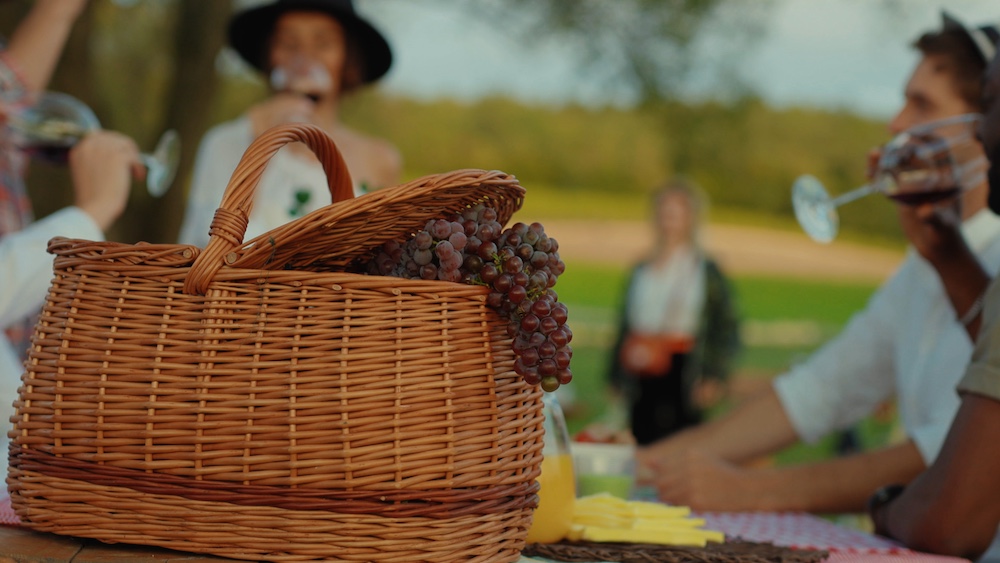
In discussions about the wine industry’s difficulties, young adults are often singled out for drinking less or showing little interest. Before interpreting those choices, however, we need to consider two things: how much they can afford to spend and where wine ranks among their priorities.
A bottle of wine or a glass at a restaurant has to fit into a budget with many competing demands. And even when someone can afford it, they may not want it. Having the money to buy wine does not mean choosing to spend that money on wine.
Comparisons with previous generations therefore deserve closer scrutiny. Was wine really a priority for us at their age? Did we spend our weekend money on a bottle, or would we rather have spent it on a night out with friends, music, a movie, or a trip?
Looking back at my early twenties, wine was not central to my choices. I went to parties and spent time with friends, but I did not set aside part of my budget for a glass or a bottle. My interest developed later, through encounters, travel, and experiences.
That is a personal recollection. It cannot describe everyone’s habits or establish that today’s young adults will follow the same path. But it does raise a question: how much of the interest we now take for granted was developed over time?
For wineries, this means considering both price and the experience they offer. A tasting may spark curiosity, but its cost needs to be within reach of its intended audience.
Rethinking the Wine Tasting Experience
Perhaps it is time to rethink the familiar tasting format and draw inspiration from beyond the wine world, from music, design, food, and the ways people choose to spend their free time. That means listening to people who rarely attend wine events and involving voices outside the industry in shaping new experiences. Their perspectives may challenge assumptions about what a wine event should look like and help create something people want to join, even before they develop an interest in wine.
Communication and events can create these opportunities by using accessible language and avoiding assumptions about technical knowledge. Not every participant will become a customer, and not every experience will lead to an immediate sale. Building familiarity with wine and with a winery takes time. It begins with understanding what might make the experience appealing to someone who does not yet consider wine a priority.
Data source: UIV Observatory
Author