
When Coffee Was Forbidden to Women in Italy
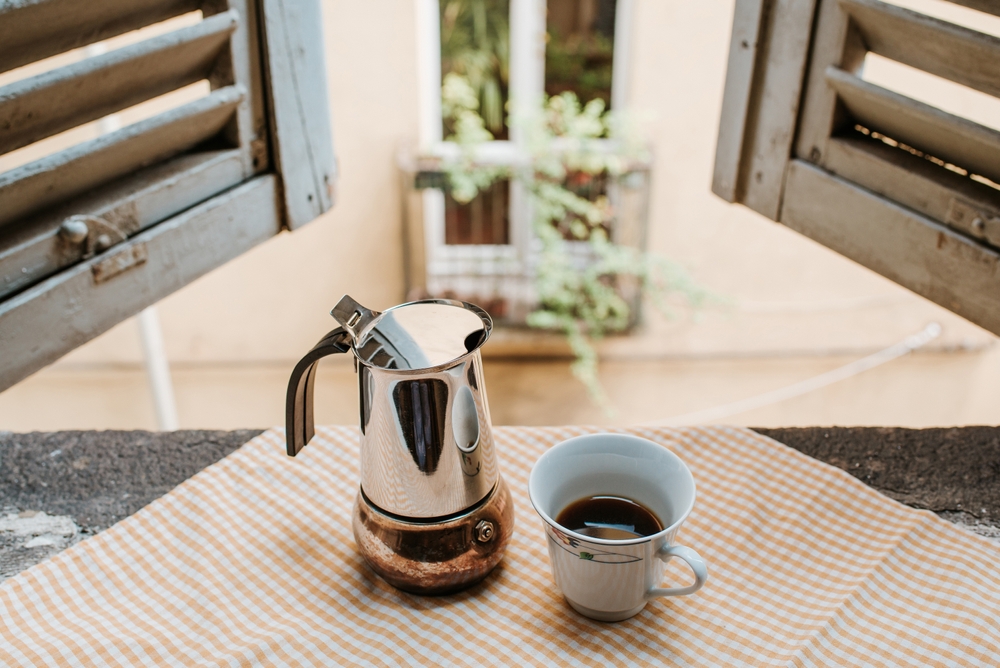
Today, coffee is arguably the most widely consumed beverage in the world. However, it was not always so accessible — especially for women.
When coffee first arrived in Europe between the 16th and 17th centuries through trade with the Arab world, it sparked suspicion and debate. In Italy, this dark and bitter drink was viewed with distrust and even earned the nickname “the devil’s drink.”
Part of the concern came from caffeine’s stimulating effects, which clashed with the ideals of moderation and self-control promoted by the Church. As a result, across much of Europe — including Italy — women were discouraged from drinking coffee for many years, or it was considered disdicevole (unsuitable) for them.
People feared coffee would make women “too lively, too alert, too independent” — qualities that were hardly appreciated in a patriarchal society. Drinking coffee in public cafés was often seen as a male habit or something associated with “less respectable” women.
Caffè Duro: A Dessert Born from Rebellion
While leafing through an old recipe book from my hometown of Siena, I came across an intriguing dessert that immediately caught my attention — not only because of its connection to coffee, but also because it connects perfectly to my language lessons about Italian coffee culture.
In his cookbook Dolcezze di Toscana, Giovanni Righi Parenti — a Sienese pharmacist and expert in local cuisine whose historic pharmacy operated in the heart of Siena since 1750 — mentions a dessert with a curious name: Caffè Duro (“Hard Coffee”).
Although the author does not specify exactly when the dessert originated, I later noticed it appearing on the menus of several restaurants in Montalcino, the Tuscan town famous for Brunello wine. Today, it is often served under another name: caffè in forchetta (“coffee on a fork”).
Women, Coffee, and Montalcino
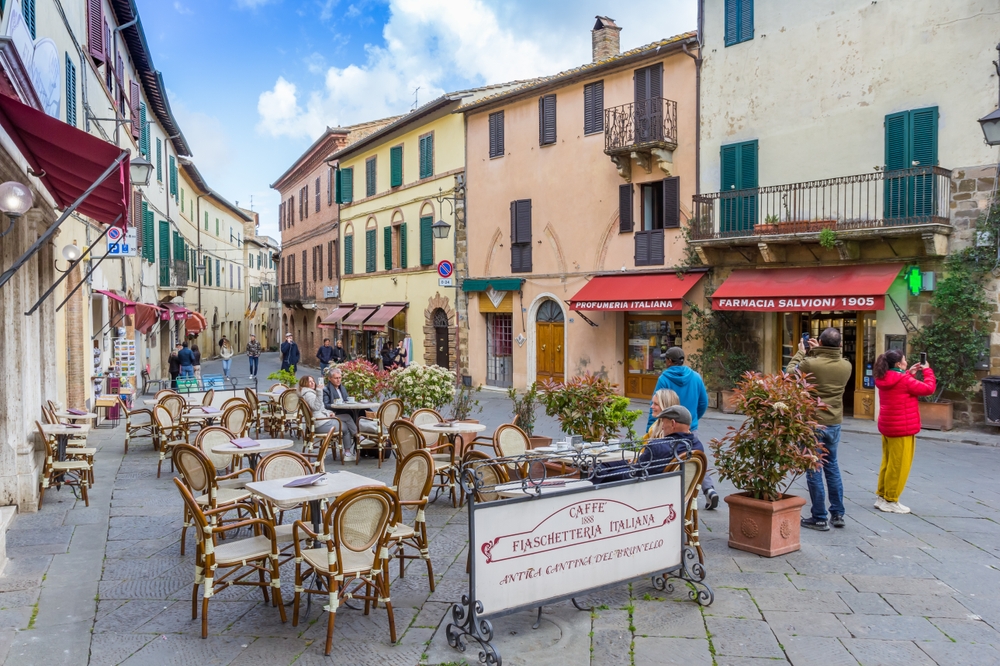
What fascinated me most — besides the desire to taste it, of course — was the story behind this dessert.
In Montalcino, while men ended dinner sipping strong espresso, women were instead served this delicate coffee pudding alongside biscottini and Vin Santo, a beloved Tuscan dessert wine still found throughout the region today.
Why the difference?
As mentioned earlier, coffee’s stimulating properties made it seem inappropriate for women at the time. Yet the women of Montalcino had no intention of missing out on the pleasures of the table — or life in general. So they devised a clever solution: disguise coffee as dessert.
A harmless budino (pudding).
In some versions of the recipe, the coffee was even diluted with milk to soften caffeine’s effects. Before long, the dessert became fashionable and was enjoyed on many occasions. Like many culinary trends, however, it eventually faded away.
The Revival of a Forgotten Taste
The revival of this unusual dessert is largely thanks to Donatella Cinelli Colombini, winemaker and writer, who included it in her book 66 Ricette di Cucina Montalcinese, a collection of recipes preserved through the oral traditions of the region.
Thanks to this publication, the coffee pudding reappeared and can once again be found on restaurant menus throughout the area under the name caffè in forchetta.
You can find the original recipe by Giovanni Righi Parenti here.
If you would like to try a more modern version, you can also explore the recipe by Sabrina Fattorini from the blog Architettando in Cucina.
Did You Know?
- The first European café opened in Venice in 1683, but it took decades before women were welcomed as regular customers.
- In some Italian cities, people feared coffee might “encourage women to discuss politics or religion” — topics considered inappropriate for them at the time.
- During the 19th century, as women’s emancipation movements grew, coffee gradually became associated with modernity and liberation for women as well.
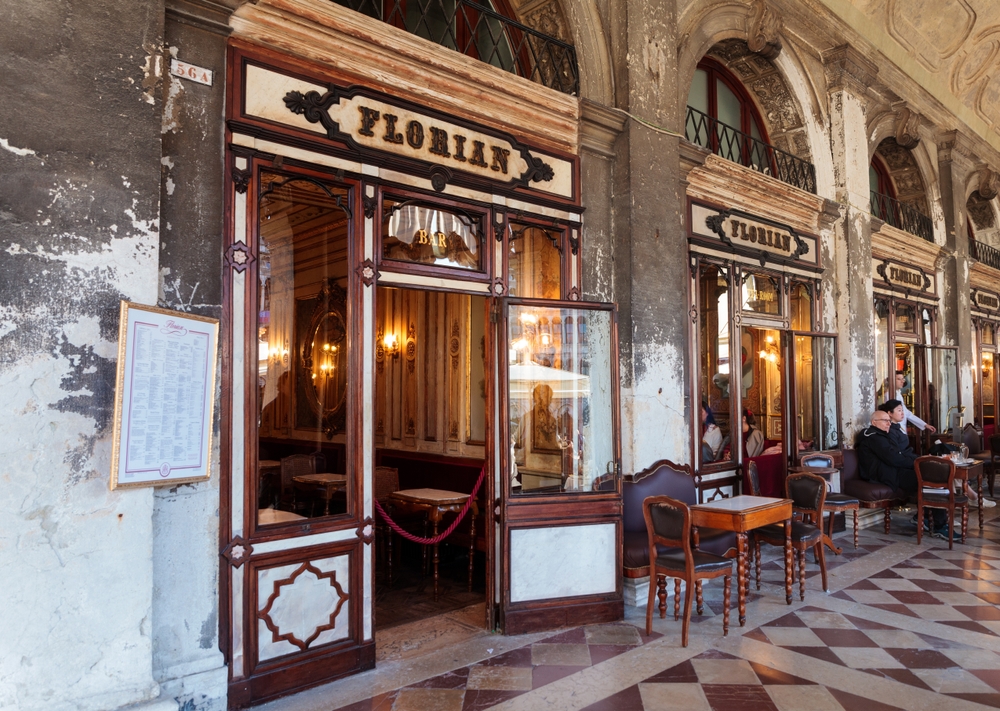
Today, things could not be more different. Coffee is part of the daily routine of millions of Italian women — from the morning moka pot to the ritual espresso enjoyed at the bar with friends.
Yet remembering its once “forbidden” status reminds us how even a simple cup of coffee can tell a powerful story of social change.
Vocabolario del Caffè
- Bevanda = drink
- Soprannome = nickname
- Caffeina = caffeine
- Disdicevole = unsuitable
- Forchetta = fork
- Sorseggiare = to sip
- Budino = pudding