Next Stop on Our “Eating Italy” Tour: Lazio
The Lazio region is the next chapter in my Eating Italy series, and it is a place that truly embodies the heart of the country. It is the home of Rome and the four classic pasta dishes that are part of the city’s identity: amatriciana, carbonara, cacio e pepe, and alla Gricia. These dishes are not only iconic of the region, but across Italy.
It is said that they were created by resourceful Roman shepherds who carried only the essentials with them on their journeys across the region. From guanciale (cured pork cheek), pecorino romano (sheep’s milk cheese), black pepper, eggs, and tomatoes, each dish uses a variation of the same humble ingredients to create something truly symbolic of Roman cuisine.
As with all the recipes I’ve featured in my Eating Italy series, Lazio reminds us that the focus of Italy’s cuisine is simple, honest ingredients, rooted in the land itself.
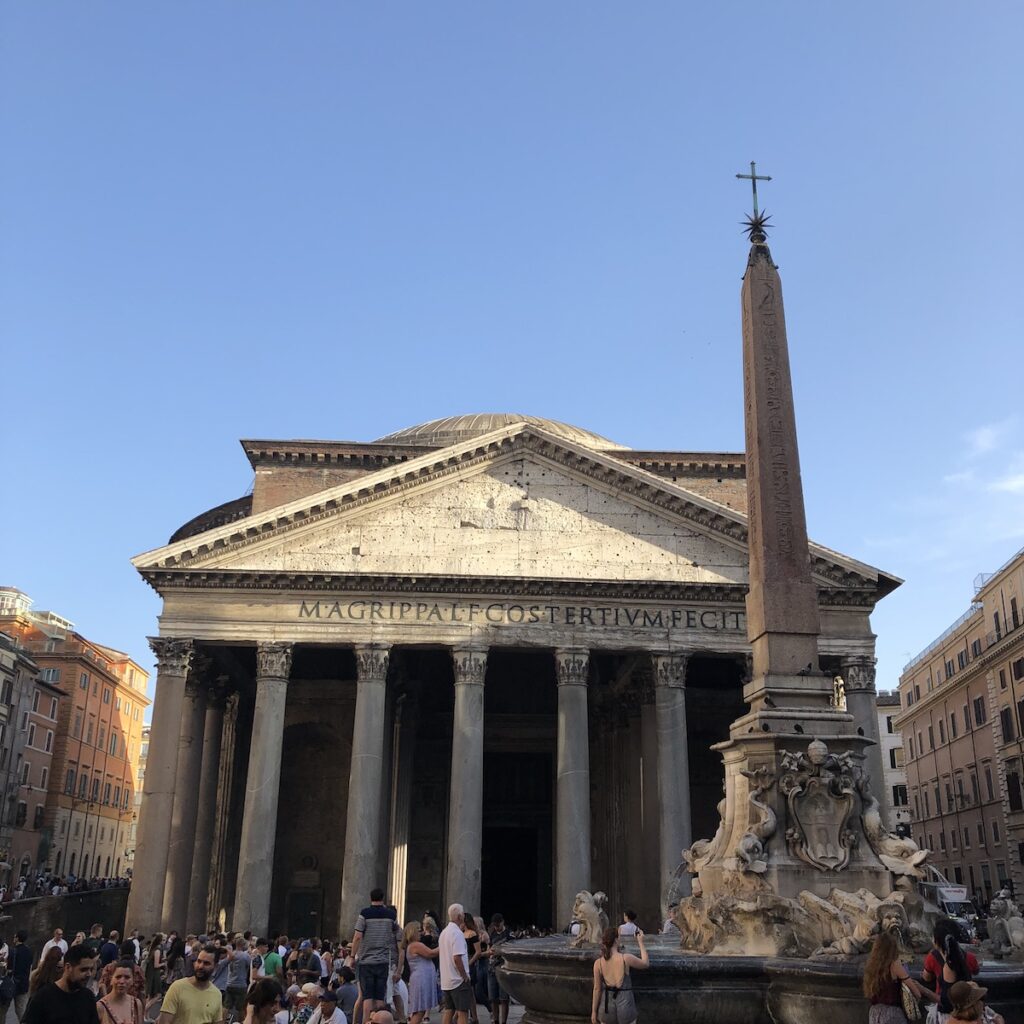
The Four Classic Pastas of Rome
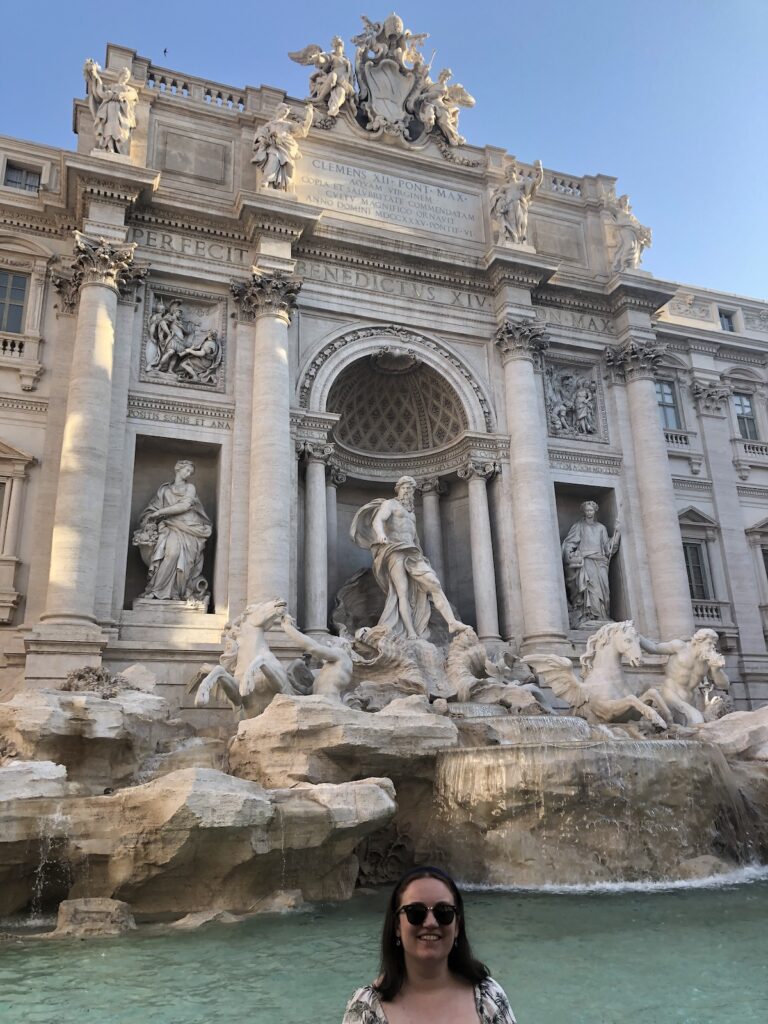
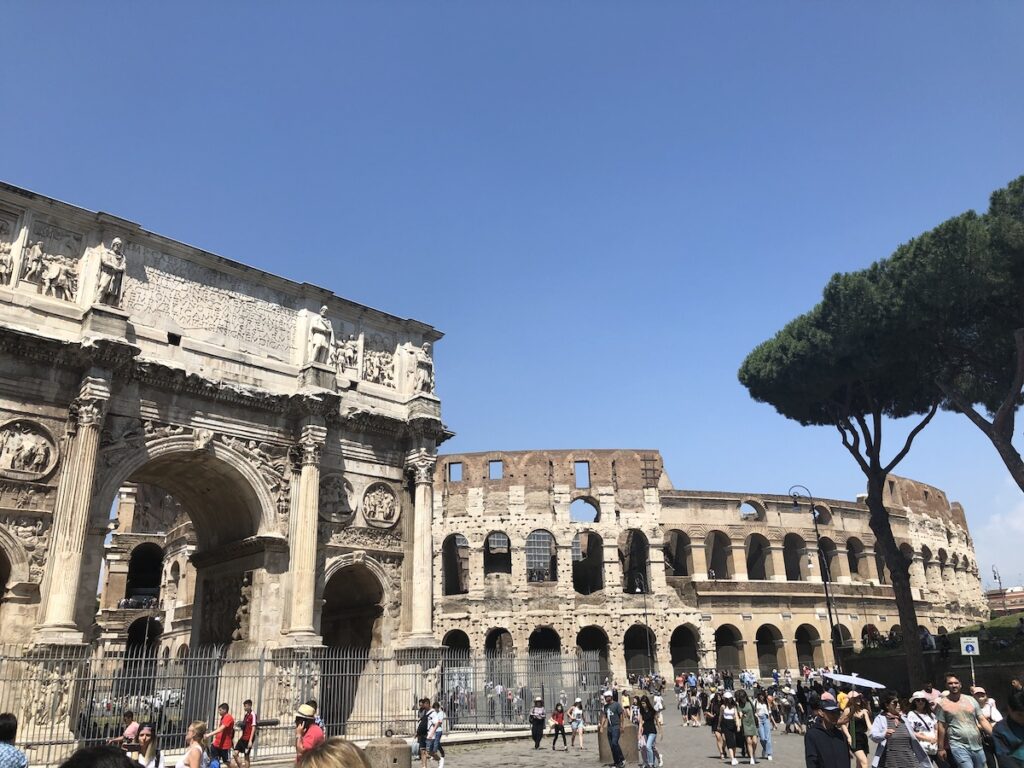
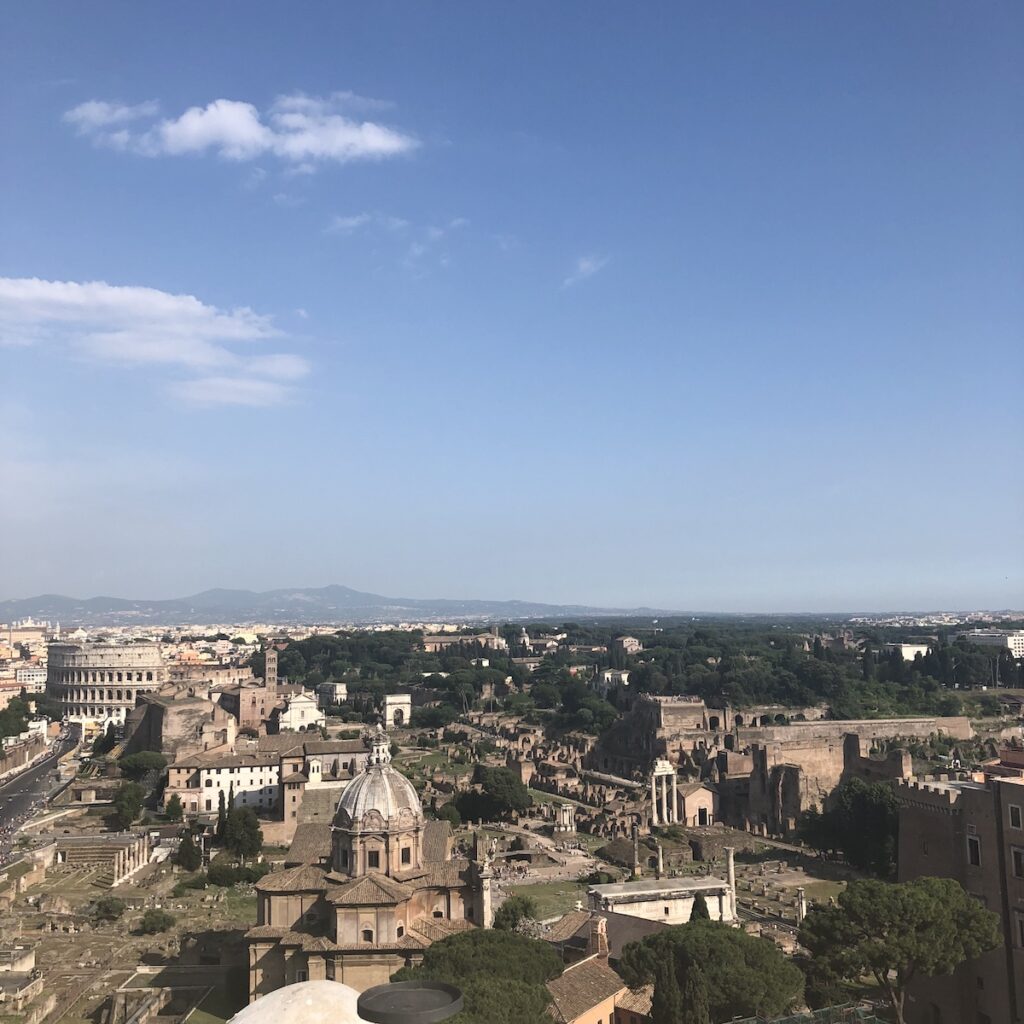
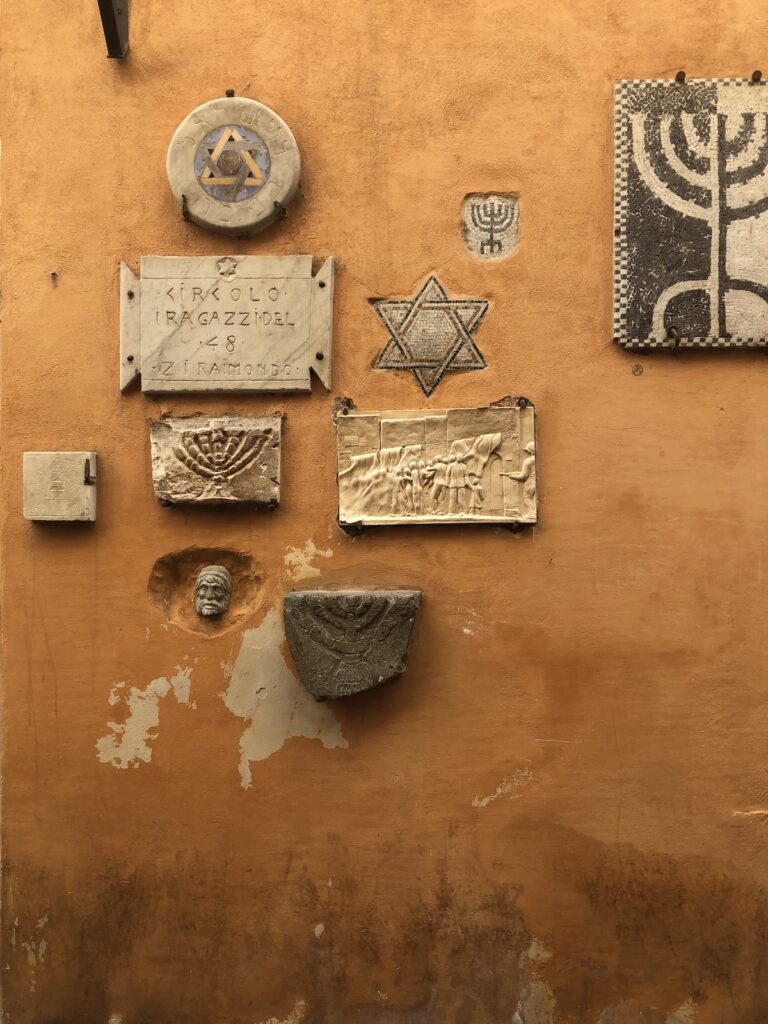
When I visited Rome in 2019, I made it my mission to try all four of these pastas. It wasn’t difficult – they appear on almost every menu in neighbourhood trattorias across the city.
Cacio e pepe is the simplest of the dishes, made with only pecorino and black pepper, yet its minimal ingredients don’t make it any less decadent. Carbonara uses pecorino, guanciale and egg (and certainly no cream in the authentic Italian recipe). Alla Gricia uses the same ingredients as carbonara, but without the egg, while amatriciana builds on alla Gricia with the addition of tomatoes. Its name comes from the small town of Amatrice, where the dish is said to have originated.
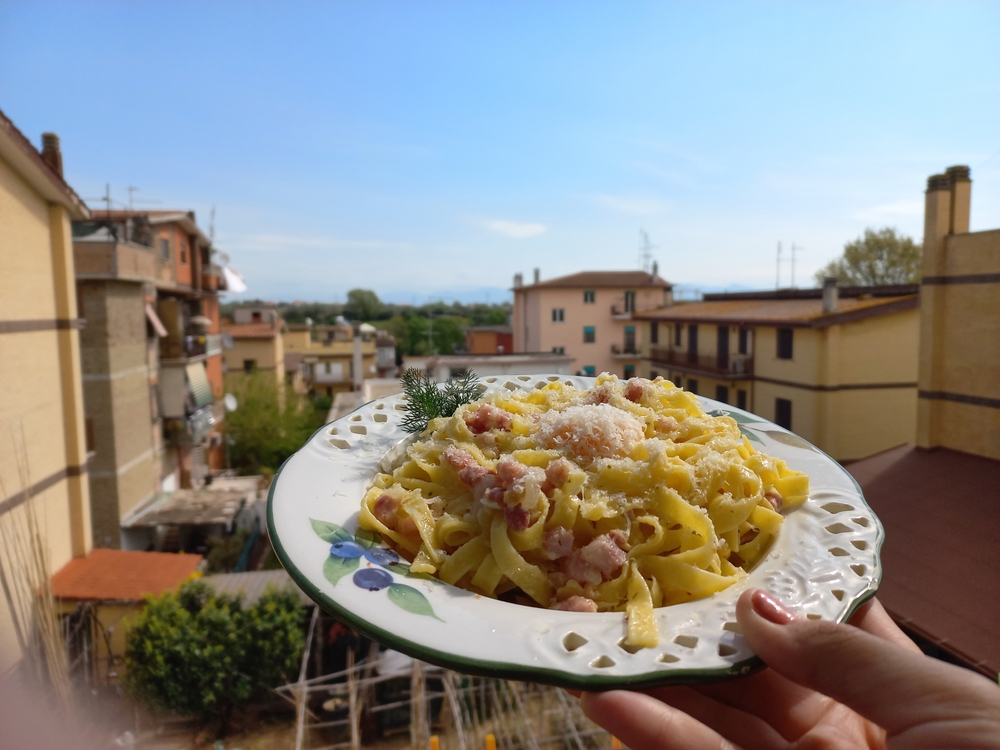
If I had to choose a favourite of the four (which is very difficult and a bit like choosing a favourite child), I would have to say mine is bucatini all’amatriciana. For me, the balance of the ingredients – the saltiness of the guanciale, the sweetness of the tomatoes, and the sharpness of the pecorino – is the perfect representation of the cucina povera dishes that have shaped this region. Dishes that began with humble origins, but have been passed down through generations and are still celebrated today.
Traditional Roman Pasta Recipes
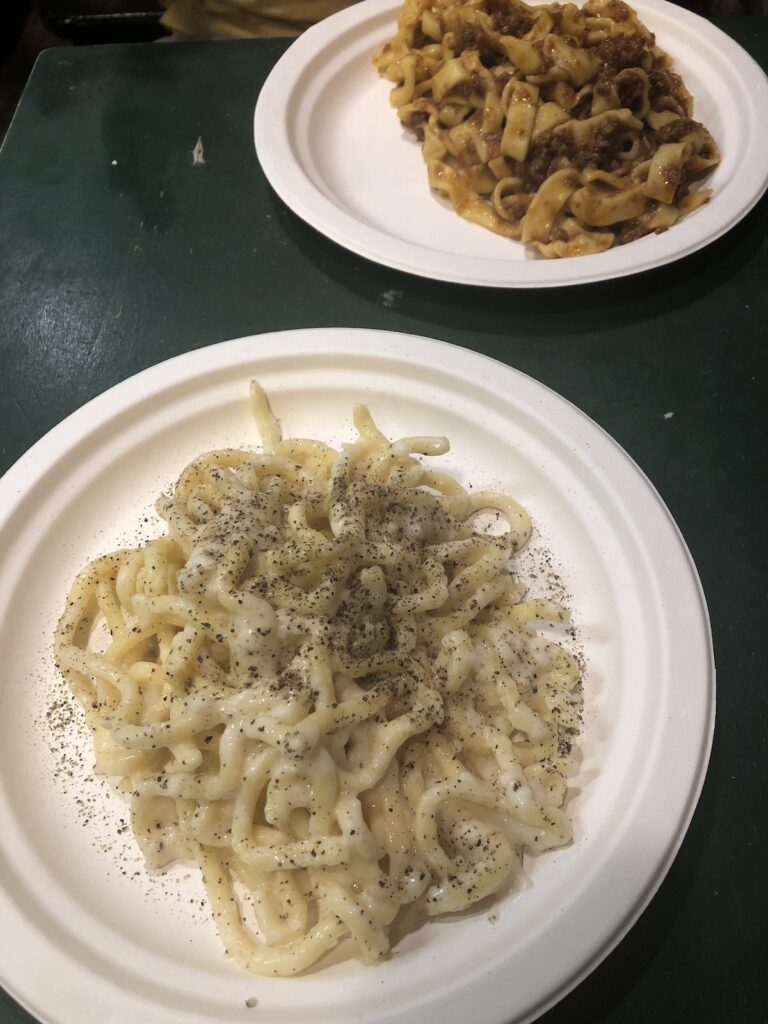
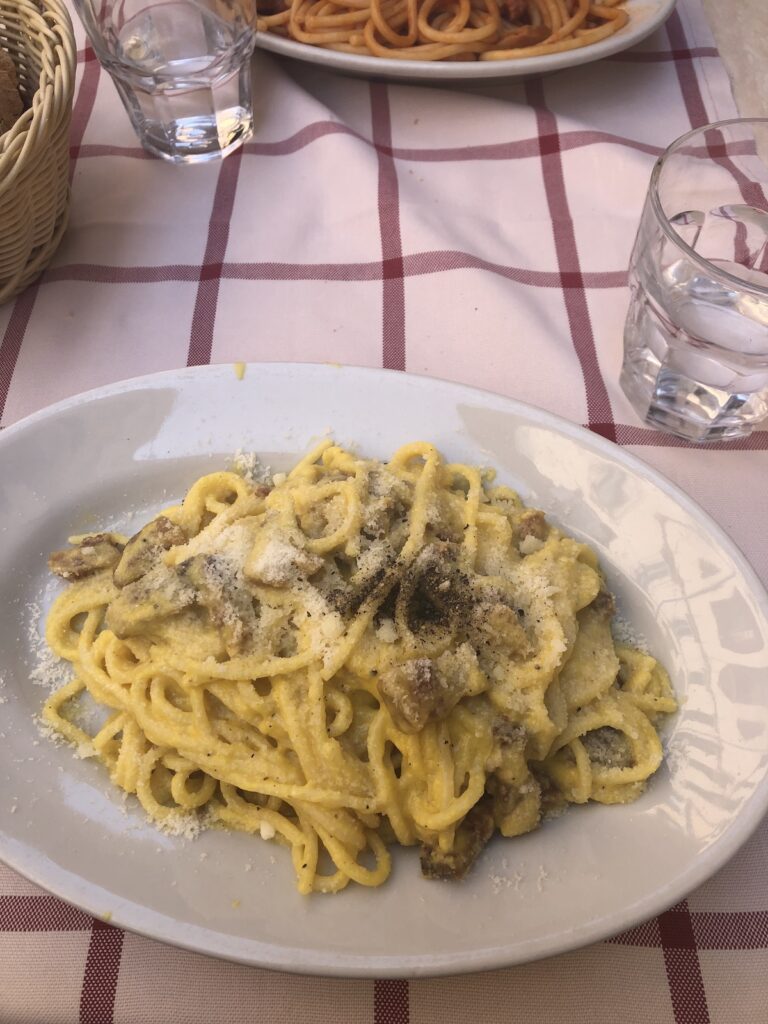
Cacio e Pepe
Ingredients:
● 400g spaghetti (14 oz)
● 200g grated Pecorino Romano (7 oz)
● Black pepper
Method:
● Bring a pan of salted water to the boil for the pasta and cook until al dente.
● Meanwhile, mix together the pecorino with a generous amount of black pepper.
● Drain the pasta, saving some of the pasta water, and add some of the pasta water to the cheese mixture. Mix together vigorously, then add it to the pasta with the rest of the water gradually to prevent the cheese mixture from going lumpy.
● Serve with a generous amount of Pecorino Romano and more black pepper.
Carbonara
Ingredients:
● 150g guanciale (5.3 oz)
● 400g spaghetti or rigatoni (14 oz)
● 2 eggs and 2 egg yolks
● 80g grated Pecorino Romano (3 oz)
● Black pepper
Method:
● Bring a pan of salted water to the boil for the pasta and cook until al dente.
● Add the guanciale to a cold pan to prevent it from burning. Heat over a medium heat until the fat has rendered.
● Meanwhile, mix together the egg and egg yolks, and pecorino with a generous amount of black pepper.
● Drain the pasta, saving some of the pasta water, and add to the guanciale. Mix together and then remove from the heat.
● Add the egg and cheese mixture to the pasta and mix well, gradually adding in the pasta water until it emulsifies with the sauce. This is the step most people find difficult, so make sure to do this off the heat to prevent the eggs from scrambling.
● Serve with a generous amount of Pecorino Romano.
Alla Gricia
Ingredients:
● 150g guanciale (5.3 oz)
● 400g spaghetti (14 oz)
● 100g grated Pecorino Romano (3.5 oz)
● Black pepper
Method:
● As above with the carbonara recipe, minus the eggs.
Amatriciana
Ingredients:
● 150g guanciale, sliced into thin strips (5.3 oz)
● 1 tin of chopped tomatoes (14 oz / 400g)
● A pinch of chilli flakes
● 400g bucatini (14 oz)
● Pecorino Romano to serve
Method:
● Bring a pan of salted water to the boil for the pasta and cook until al dente.
● Meanwhile, add the guanciale to a cold pan to prevent it from burning. Heat over a medium heat until the fat has rendered.
● Then add the chilli flakes and chopped tomatoes to the sauce, and reduce on a low heat.
● Drain the pasta, saving some of the pasta water, and add it to the sauce. Simmer until the pasta water has emulsified with the sauce.
● Serve with a generous amount of Pecorino Romano.