
When walking through the halls of Wine Paris this year, the first impression was that of a trade fair bursting with energy. Buyers from all over the world, packed schedules of meetings, and an almost relentless rhythm of tastings and business appointments.
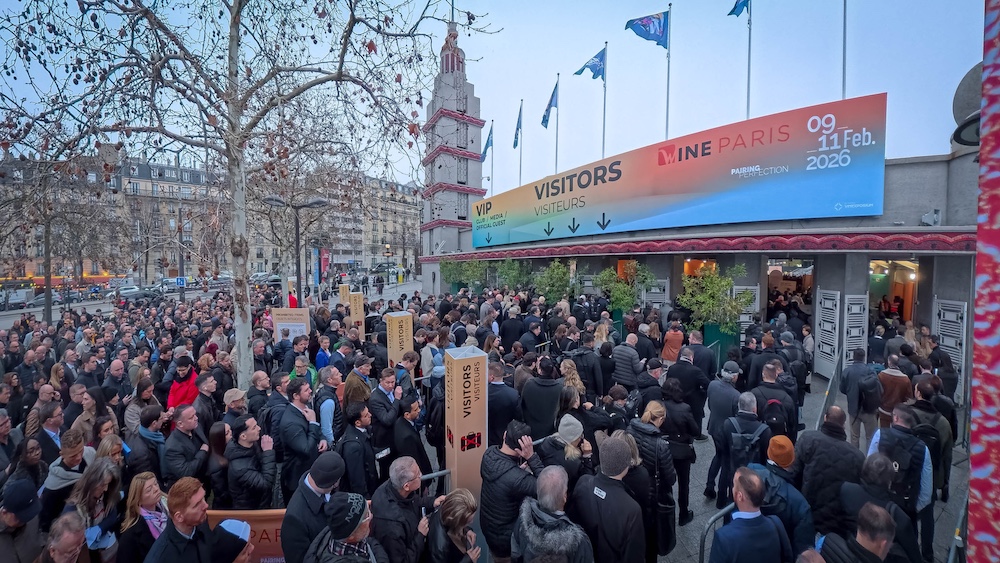
With more than 63,500 professional visitors and 6,500 exhibitors from over 60 countries, the event confirmed its position as one of the most important gatherings for the global wine business.
Yet today we live in a world where wine is no longer simply a beverage, at least not for those working within the industry. Wine has become a symbol of sustainability, innovation, and economic resilience, and Wine Paris 2026 stands out as a crucial crossroads for the global wine sector.
At the same time, Wine Paris 2026 also offered a very clear snapshot of the moment the wine industry is currently experiencing: a sector that remains dynamic and capable of mobilizing energy and investment, yet one that is also grappling with structural shifts in consumption, markets, and commercial strategies.
Let us explore together the trends, figures, and underlying dynamics, drawing on recent data and projections to provide a balanced perspective.
A market in transition: Less volume, more value
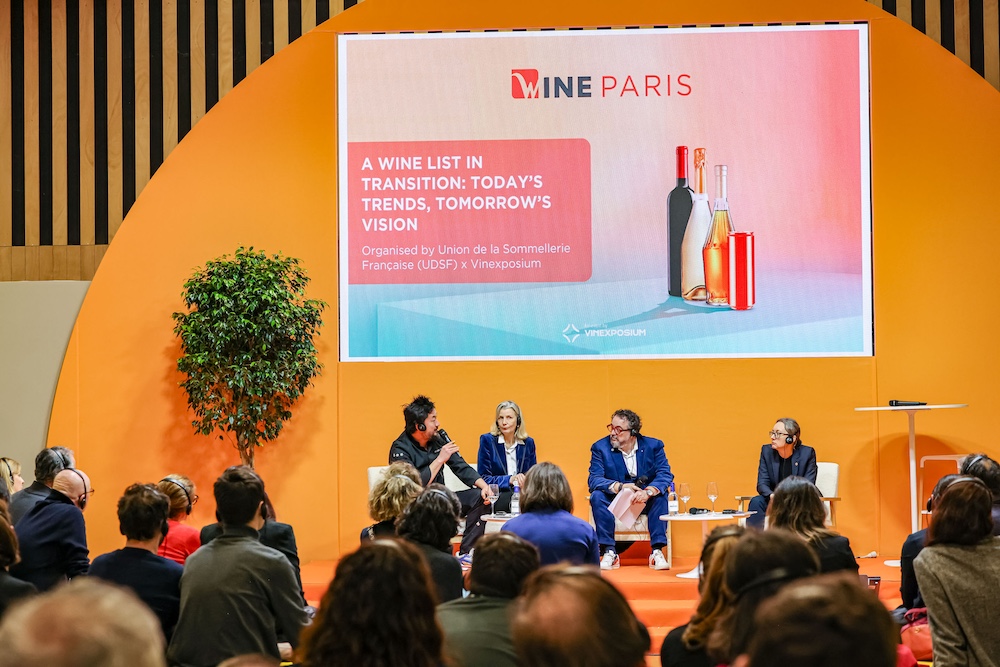
One of the most widely discussed topics during the fair was the gradual decline in global wine consumption. According to the latest international reports, worldwide consumption has dropped to around 214 million hectolitres, the lowest level recorded in more than sixty years.
This figure does not necessarily signal an irreversible crisis, but rather points to a significant transformation in the market. In many mature markets, wine is gradually losing its role as an everyday beverage and increasingly becoming a product associated with experience and occasion.
The most visible consequence is the growing polarisation of the market: lower overall volumes, but a stronger focus on quality wines and bottles with a clear sense of territorial identity.
The unexpected new protagonist: The No- and Low-Alcohol segment
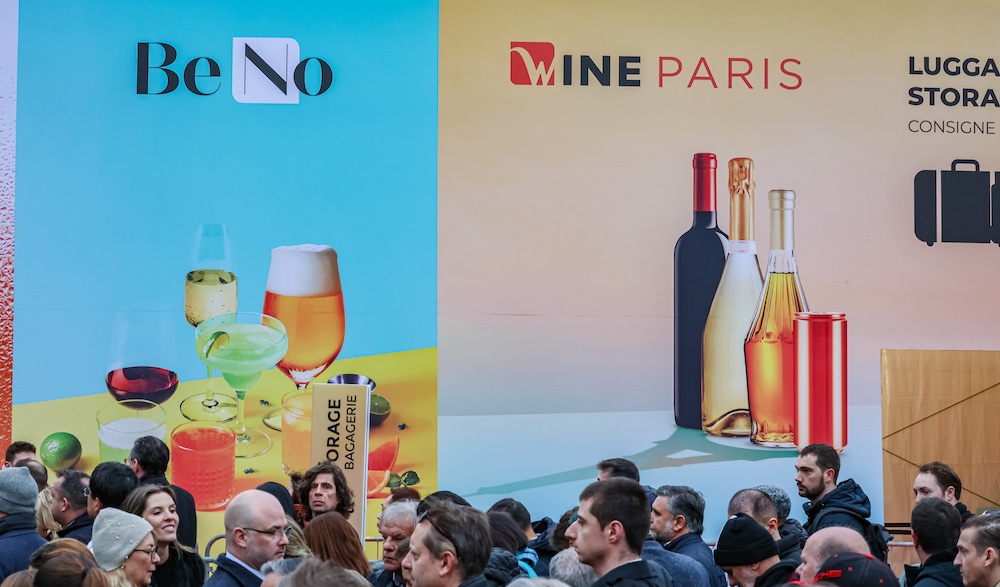

One of the clearest signals of the sector’s transformation was the growing presence of low- and no-alcohol beverages. Wine Paris dedicated a specific space to this segment, a sign that it is no longer simply a market curiosity. Several factors drive the phenomenon:
- greater attention to health
- changing consumption habits among younger consumers
- technological innovations in production
For the wine industry, this represents both a challenge and an opportunity to reach new audiences. The question we must now ask, one for which we clearly do not yet have an answer, is: how can no- and low-alcohol wine be communicated effectively?
New geographies of wine
Until a few years ago, the growth of the wine sector depended largely on the United States and China. Today, however, the map of global markets has become far more diversified. One of the key insights emerging from Wine Paris is that many industry professionals are now pointing to new areas of interest:
- India
- Southeast Asia
- Africa
- Latin America
These are still relatively small markets compared to the traditional ones, yet they are attracting increasing attention from producers. This development, however, presents both opportunities and challenges, particularly for Italy’s production landscape, which is largely composed of small and medium-sized wineries. Who will have the resources to open up these markets and sustain the considerable investments required? Meanwhile, markets once considered mature and stable, such as the United States, Canada, and much of Europe, are becoming increasingly difficult to navigate. Securing a foothold is extremely challenging and, frankly, equally costly.
It is therefore natural to start looking elsewhere, toward regions where wine has not yet become a widespread trend. But the real question remains: will producers have the strength and resources to bring wine successfully into these markets?
The growing role of territories
The answer to the final question might be: yes, if the territories themselves take the lead in telling the story.
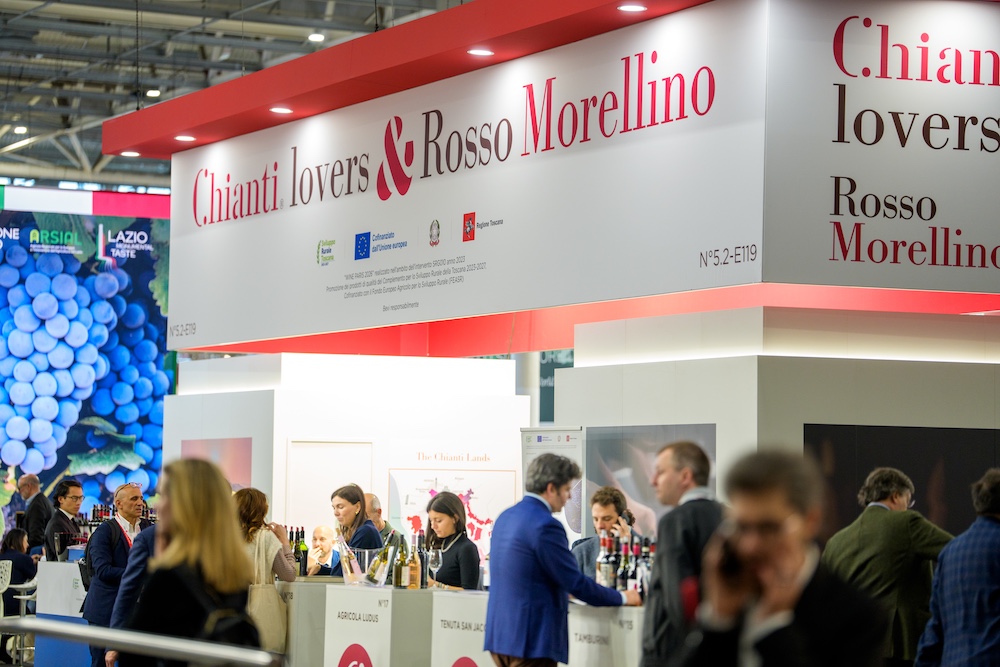
In an increasingly crowded market, territories are becoming one of the strongest elements of differentiation. Appellations and consortia had a very visible presence at Wine Paris, using the fair as a platform to promote territorial identities and the stories of their producers. This confirms how the bond between wine and territory remains one of the most powerful assets for communicating value and, above all, a vehicle for supporting the business of many small Italian wineries.
But is there another side to the story?
Italy at Wine Paris: a strategic presence in a changing market
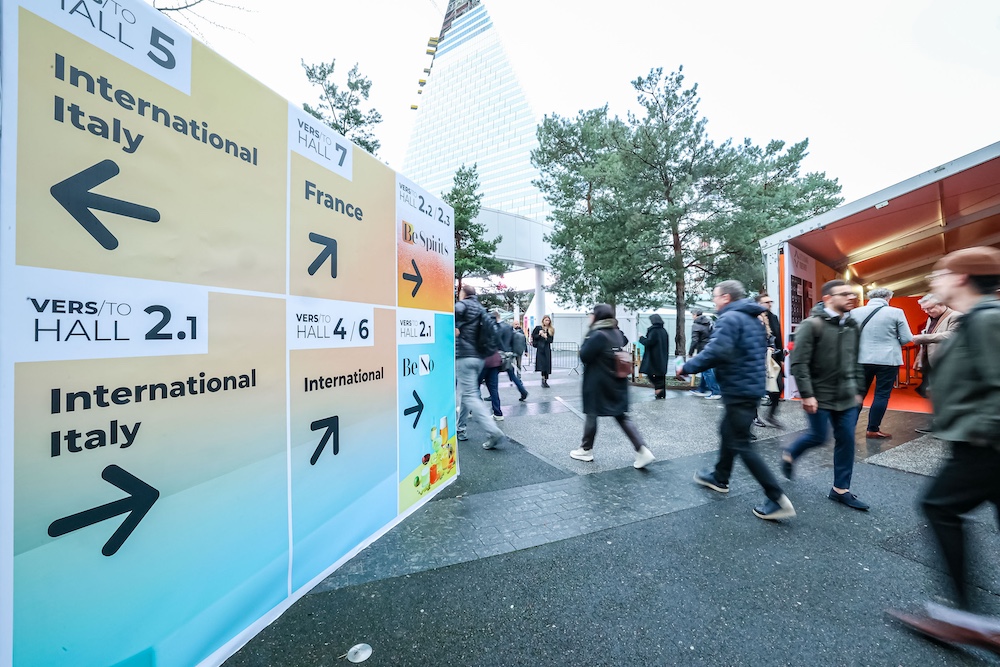
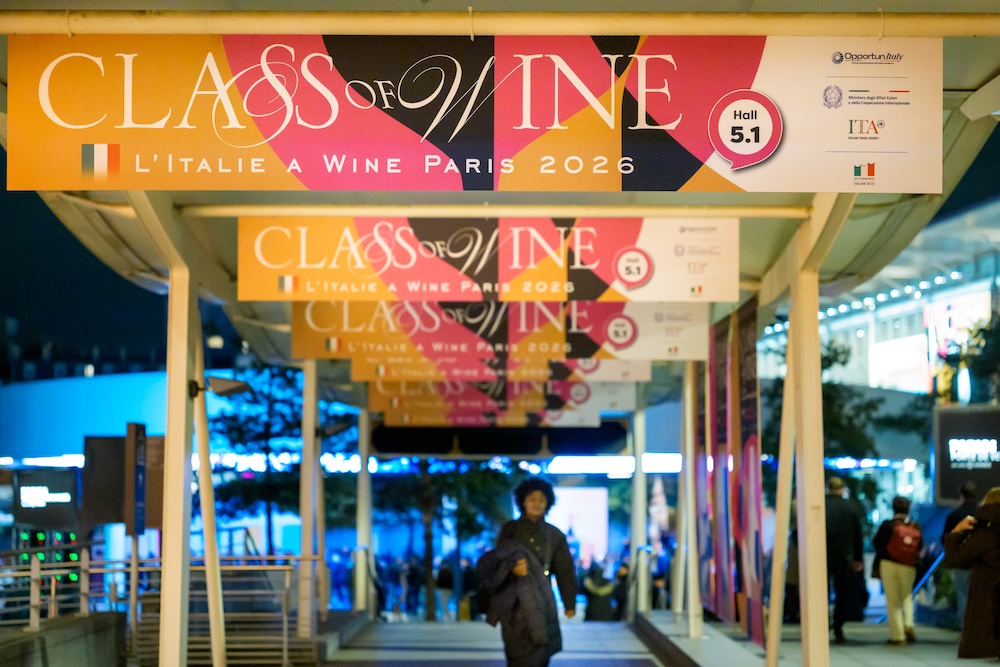
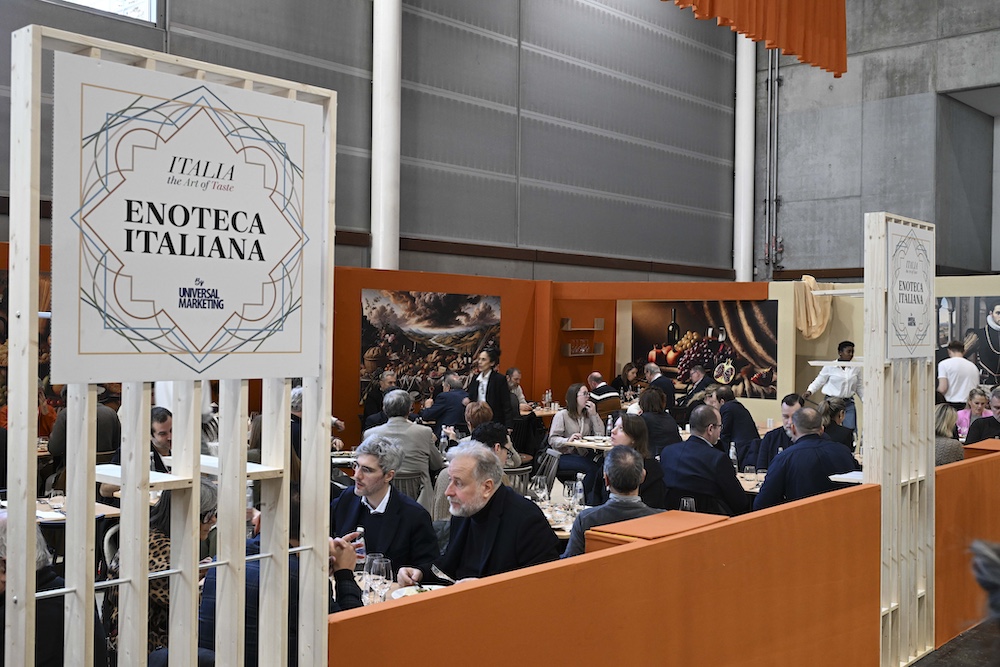
Among the international delegations present at Wine Paris 2026, Italy stood out as the largest foreign presence at the fair, with more than 1,350 exhibitors representing a significant portion of the event’s international offering.
This strong participation reflects the strategic importance that Italian producers increasingly attribute to Wine Paris as a platform for export development and international visibility.
For many Italian wineries, particularly small and medium-sized producers that form the backbone of the country’s wine sector, international trade fairs remain one of the few occasions where it is possible to meet buyers from a large number of markets within a limited time frame. The concentration of importers, distributors, and media in a single place represents a valuable opportunity to strengthen existing relationships and explore new commercial prospects.
At the same time, the Italian presence at Wine Paris also highlighted another key feature of the country’s wine industry: the growing role of territories and appellations in shaping international communication. Consortia and regional collectives were particularly visible throughout the fair, presenting wines not only as individual brands but as expressions of broader cultural and geographical identities.
This approach reflects a structural characteristic of the Italian wine landscape. Unlike many competing countries dominated by large corporate players, Italy’s production is largely fragmented among thousands of wineries, many of them family-run and deeply connected to specific territories. In this context, collective promotion often becomes an essential tool for gaining international visibility.
Yet the strong Italian presence at Wine Paris also mirrors the challenges currently facing the country’s wine industry. As competition intensifies in traditional export markets and new regions of the world emerge as potential destinations for wine consumption, Italian producers are increasingly called upon to balance tradition, innovation, and strategic investment in communication and market development.
The business question: visibility or results?
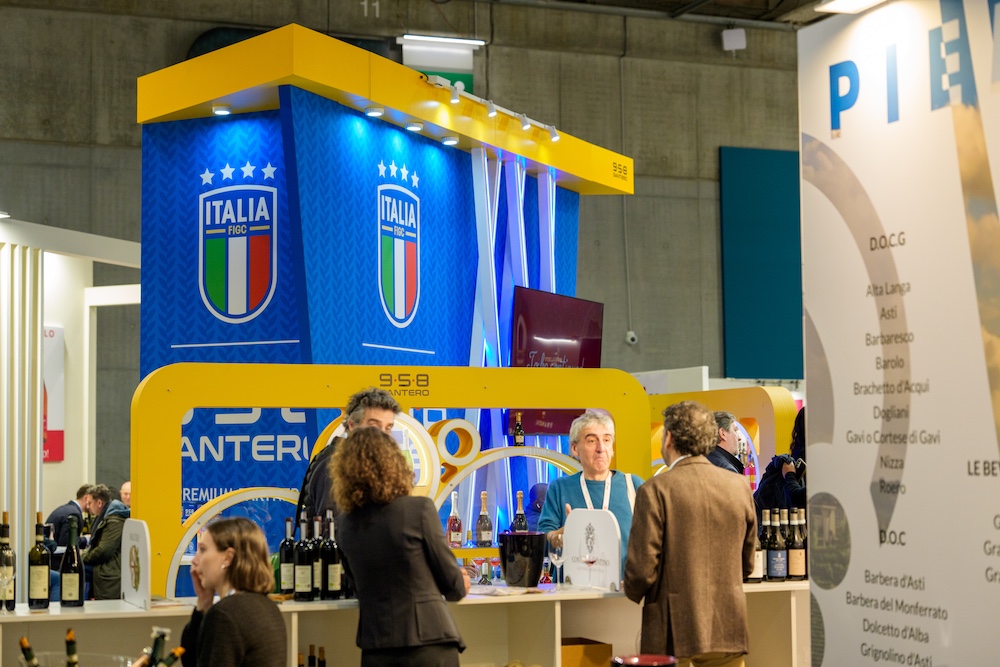
Viewed through the lens of energy and participation, Wine Paris conveys the impression of an extremely dynamic sector. Packed corridors, crowded tastings, and an intense schedule of meetings all paint the picture of an industry in constant motion.
Yet it is precisely here that one of the more delicate questions emerges—one that many industry professionals ask themselves, often away from the spotlight: how much of this activity actually translates into real business?
Major international trade fairs undoubtedly represent an extraordinary opportunity for networking and visibility. At the same time, the increasingly competitive wine market makes it ever more challenging to turn contacts into lasting commercial relationships.
Opening a new market or activating a new importer today requires increasingly significant investment. Beyond participating in a trade fair, this often involves:
- Business trips
- promotional activities in target markets
- marketing and communication support
- investments in brand positioning
The overall cost of developing a new client can therefore become substantial, particularly for small and medium-sized wineries.
Within this context, some producers are beginning to question the very model of international trade fairs. Events that are ever larger and more complex certainly guarantee a strong concentration of buyers and industry professionals, but they also require steadily increasing investments from exhibitors.
The question that arises—sometimes implicitly—is whether this format still represents the most effective tool for generating new commercial opportunities, or whether in the future the sector will need to complement major trade fairs with more targeted and selective meeting formats.
Wine Paris 2026 does not offer a definitive answer to this question. But the fact that more and more industry professionals are beginning to ask it shows just how much the sector is entering a phase of strategic reflection on how to build the international business of wine.
Innovation and identity: A delicate balance
Wine Paris’s opening toward a broader beverage ecosystem is one of the clearest signs of the sector’s evolution. Alongside wine, space is now increasing for spirits, low- or no-alcohol beverages, ciders, and craft beers. This is a choice that clearly reflects changing consumption habits and the need for major trade fairs to represent an increasingly diversified market.
At the same time, this transformation also raises questions about the role of wine within this new balance. For many producers, particularly those tied to historic appellations and traditional production models, there is a growing concern that, within such an expanded context, wine may risk losing part of its narrative centrality.
The issue is further complicated by the pressures the sector is facing on the production side. In several European wine regions, the effects of climate change are becoming increasingly evident: prolonged droughts, late frosts, and irregular growing seasons have already significantly impacted yields in recent years.
In this context, the evolution of major industry fairs reflects a broader tension. On the one hand, there is the need to innovate, engage new audiences, and interact with an increasingly multifaceted beverage world. On the other hand, there remains the need to preserve the cultural and economic identity of wine, which continues to represent one of the deepest expressions of the relationship between agriculture, territory, and tradition.
Wine Paris 2026: Highlights
- Professional visitors: 63,541 wine trade professionals
- Countries represented: 169
- Exhibitors: 6,537 companies
- B2B meetings organized via the matchmaking platform: 25,958
- Accredited media: 1,894 journalists from 49 countries
- Institutional delegations: more than 400 public sector representatives, with embassies from 37 countries present
- Italian presence: over 1,300 exhibitors
Read our 2025 Wine Report found in the 2025 Wine Guide.