
Do you know what Bora means?
Bora is the famous name that Triestinians use to describe the wild wind that moves the city in winter. But it is also the name of one of the companies that act in the Muggia’s carnival.
Muggia’s Carnival is one of the oldest in Friuli Venezia Giulia. Not without reason, it is also one of the favorite locations to celebrate Carnival season. However, it might be threatened this year due to its new policies. Each non-resident that wants to enjoy the traditional carnival will have to pay the 5 euro fee applied for entering the town.
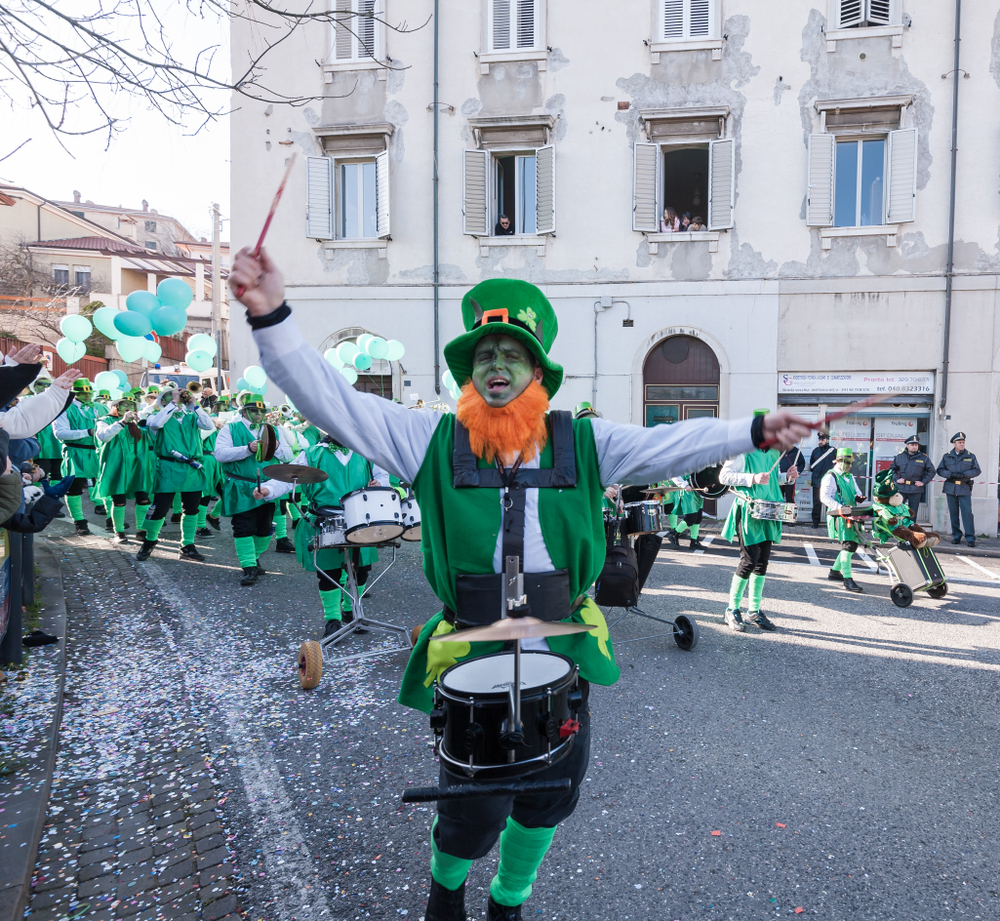
When I first moved to Trieste everyone talked about the great memories they have had in Muggia’s Carnival. They described it to me as “the best parties ever”. Whoever knows Triestinians may know what it means. For a whole week the streets are filled with colors, carroze, performances, and the sound of joy.
The logistics, and eventually the energy, was all driven to Muggia. It was given by many people, including Triestinians, that visiting the town during this season was sacred. Now, opinions are slightly divided. Some argue that it is a fair representative fee, not enough to make up for the after-party mess and cleaning up the streets. The most faithful followers feel betrayed by this new rule. This new change and how the carnival goes will be essential for the next following years, for people attending the carnival but also for the logistics part.
Which are the alternatives?
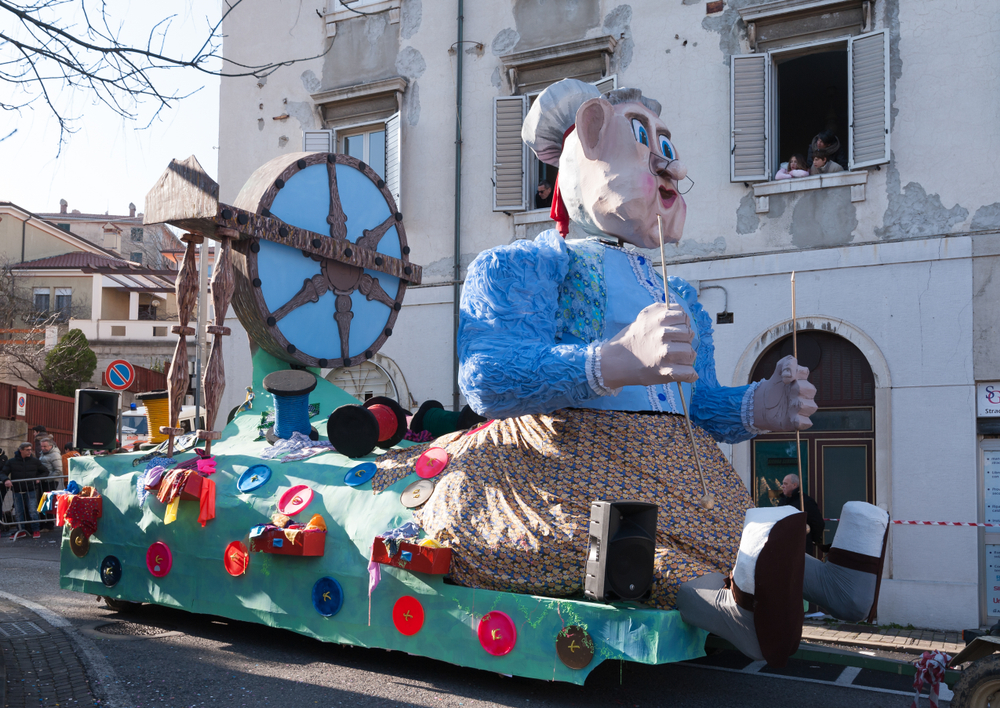
Whether you want to skip the fee or try something different head to Servola or Opicina. The first one, for the partying experience. The second one, for family-time and enjoying the peculiar floats. The greatest is that there are no limits for creativity. Each one of the seven rioni(neighborhoods) of the city create and decorate their own carrozza that will show up in the parade to conquer the crown of the king. This year, inspiration brought themed floats from Mexican Independence to Legolandia and even Atlantis.
How should I dress up?
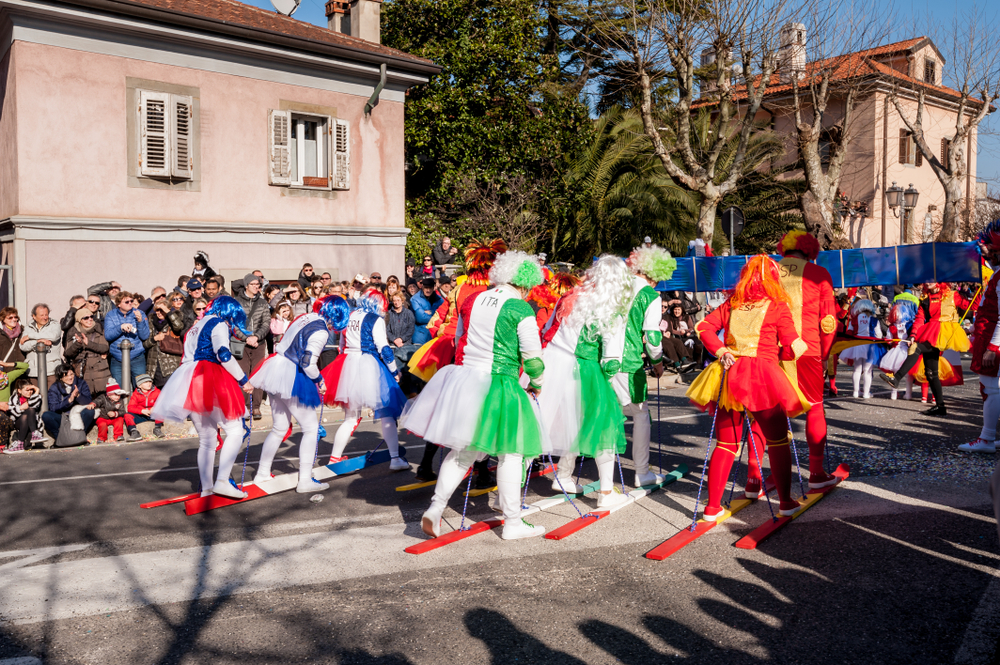
Much like floats, there are no very strict rules; except one. Don’t dress to impress, but to have fun. Unlike Halloween’s scary vibe, the main goal here is to be silly, funny, and childish. You can make your own costume, recycle old ones, or grab something at the Chinese store.
Recommended options:
- Full size pajamas of animals(cows, bears, lions): Perfect for those who freeze easily in the wind.
- La mula/ Il mulo: Dress as a traditional young boy/girl in Triestine style in the 19th century. The point is to exaggerate a little bit. Imagine long dresses, hair tied with ribbons, and big colorful baby strollers to push.
- The multicultural friend: Easy, but tricky. Find your poncho, your big hat, or something from your trip around the world. Dress up as a different nationality! However, be conscious of the meaning you are expressing to others. Be funny, not offensive.
- Lost in time: Bring your best 80’s disco outfit.
What to expect?
Unlike Venice, this is way less popular with tourists and it’s much more a local tradition. Often, people come just to meet old friends. Other times, they stay to enjoy new ones. It may also be the easiest time of year to “adopt” a Triestine friend.
How can it not be the greatest time of year when you have a whole week to celebrate life? Masks, costumes, contests, and bars open until the early morning.Even the “funeral” on the last day of Carnival is a reason to celebrate.
The corteo funebre. one of the most ancient traditions, complete with “widows,” lovers, and children crying for the King of the Carnival. Representing the end of winter and the beginning of Quaresima, these mock funerals take place across various neighborhoods in Trieste and In Servola, you will find the Triestini patocchi(the “pure-blooded” locals). While the myth of Servola being an exclusive enclave is slowly changing, you can still see how families have known each other for generations. You may feel you are in a tiny town rather than a city neighborhood.
Opicina is the family-friendly alternative, offering a calmer environment reachable by tram or bus, though the limited public transport schedules mean you’ll want a car if you plan to stay past midnight.
Guide for First Time Visitors
For first-time visitors there are three essential must know. First, dressing up is not mandatory, but if you catch the spirit late, the shops near the station offer affordable options. Second, the food is the heart of the season: crostoli, fritole, and chifeletti di patate. Third, be ready to fight the Bora. It is not a light breeze, but a force strong enough to stop you in your tracks. When you see confetti swirling in a violent spiral, it’s a sign the Bora has arrived to claim your drink(or whatever you have in your hands). All you can do is guard and hold on tight.
The carri are a delight for children, but the real magic lies in the long nights of singing until your feet hurt. Much of the joy even comes from the spontaneous conversations in bathroom lines, where the “Bora” of fest spirits blows away social barriers. People feel free enough to be like children again. And just like a kid, being excited by tiny things feels easy.
Babies, dogs, and the elderly are all part of the crowd. While it may not be for everyone, what made it memorable for me was being able to understand the local chatter, losing my sense of “shame,” and allowing my silliest version to emerge.