
The St. Francis relics on public display in Assisi mark a rare and historic moment for Italy’s spiritual landscape. For one month, from February 22 to March 22, the mortal remains of Saint Francis are being exposed for public veneration inside the Basilica of Saint Francis in Assisi. The exposition forms part of the 800th anniversary commemorations of his death in 1226.
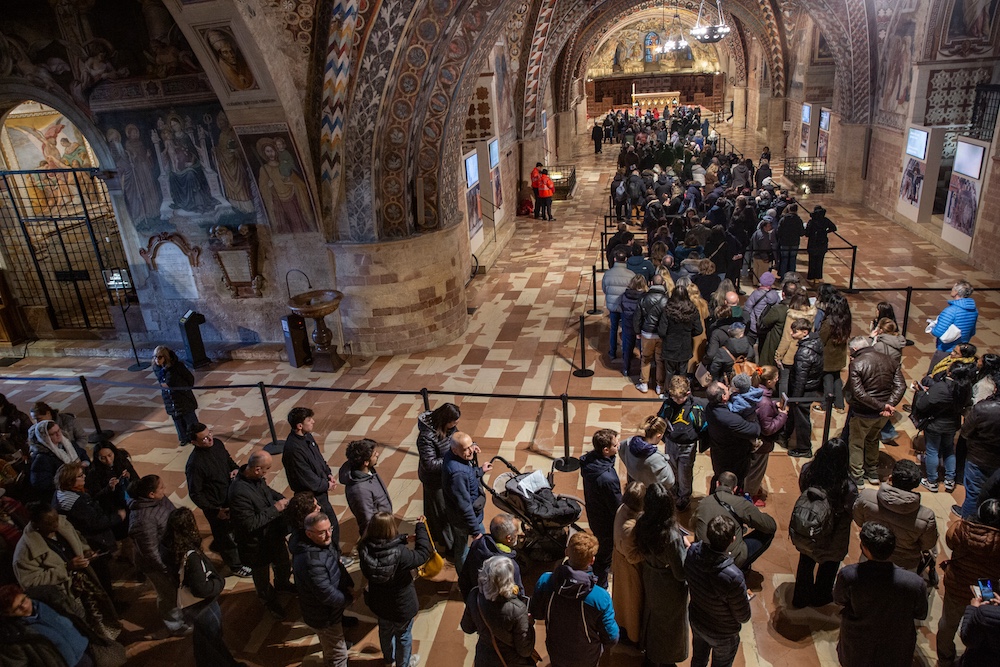
According to the Sacred Convent, more than 350,000 pilgrims have already booked visits. For a medieval hill town in Umbria, that number carries both significance and responsibility.
A Solemn Transfer and Lenten Beginning

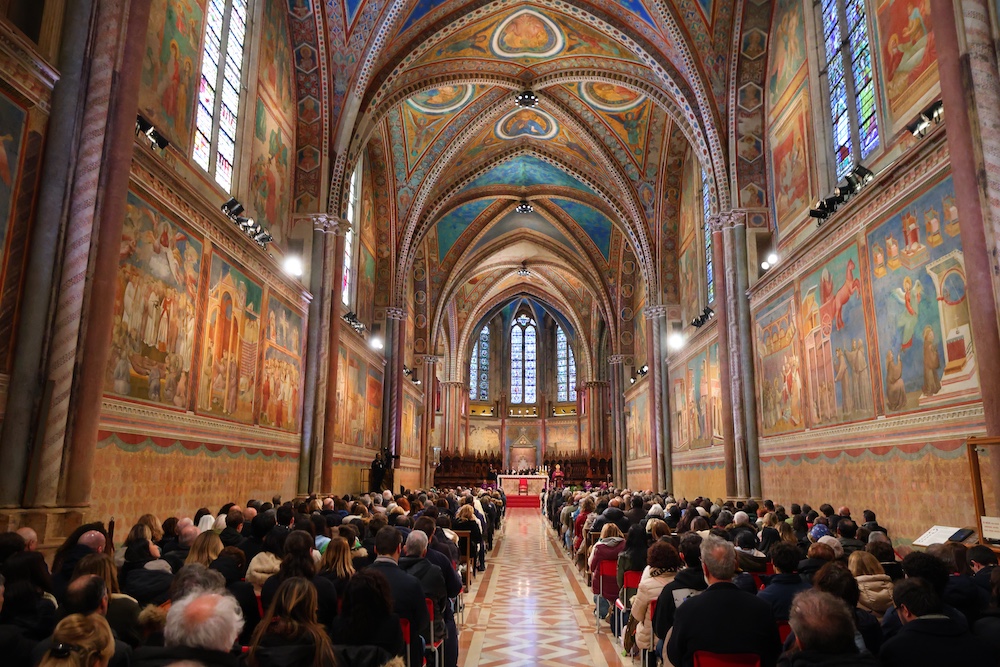
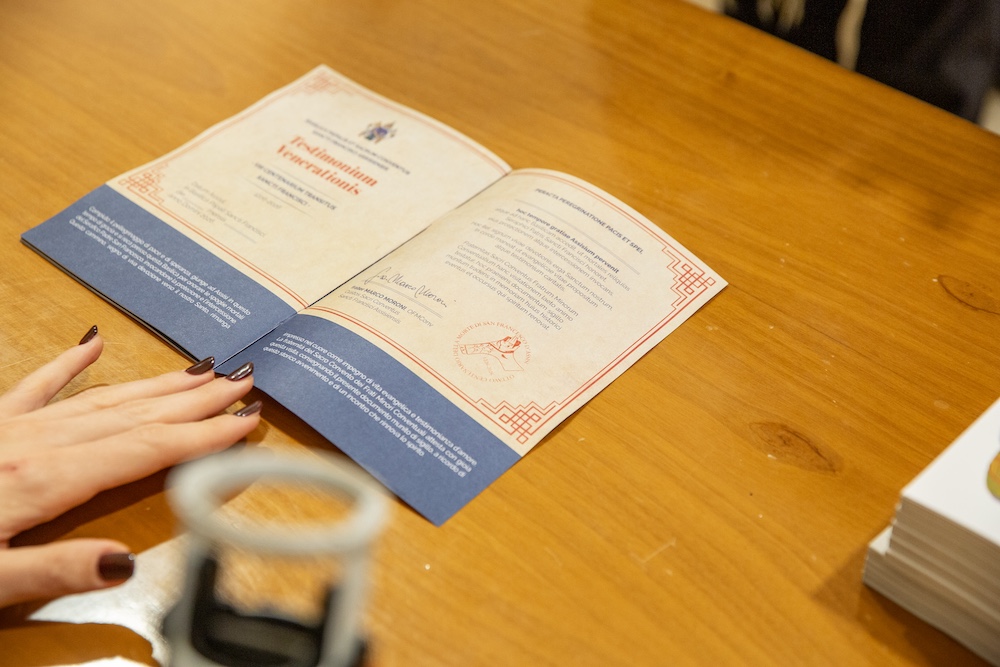
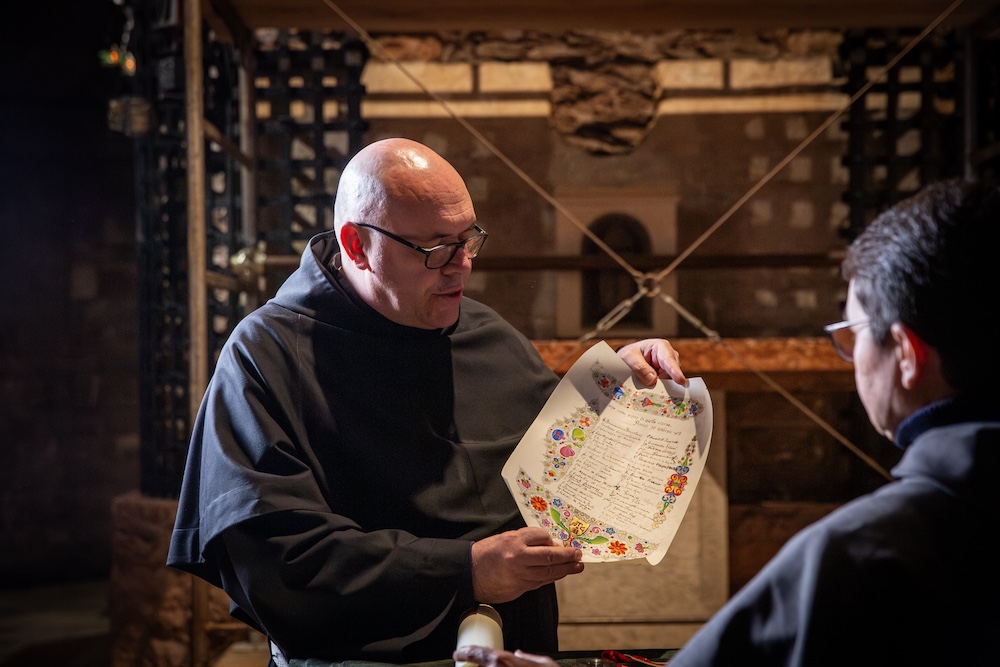
The initiative formally began on February 21 with a press conference and a solemn liturgical celebration at the Basilica. That afternoon, the reliquary containing the mortal remains of Saint Francis was transferred in procession from the crypt to the lower church ahead of the evening Vespers that marked the start of the First Sunday of Lent.
The ceremony included readings from the Gospel of John and texts recalling Francis’ final moments, when he asked to hear the Gospel before his death. The homily delivered during the opening framed the exposition not as spectacle, but as a call to reflection. The event was described as “a time of grace,” urging visitors to see the saint’s body as a sign for the present rather than a nostalgic look at the past.
This Lenten context is deliberate. The exposition unfolds during a season traditionally associated with conversion, simplicity, and interior renewal — themes central to Francis’ life.
Why This Ostension Matters
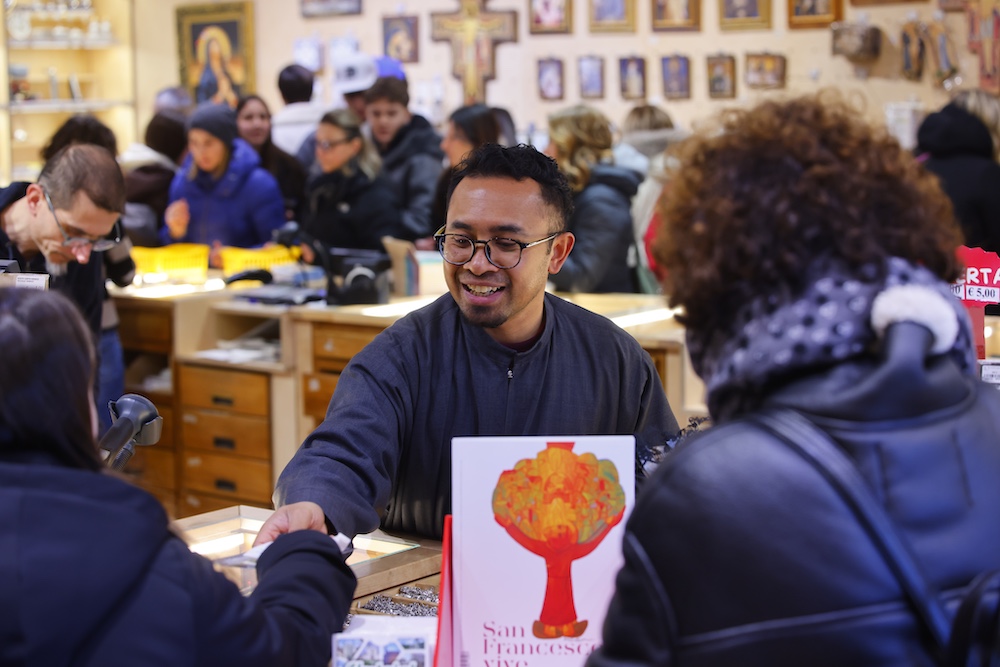
Extended public exposition of Francis’ mortal remains is extremely rare. While pilgrims regularly visit his tomb, the visible presentation of the relics for an entire month is exceptional.
The anniversary year provides the occasion. Eight centuries after his death, Francis continues to shape Catholic spirituality, ecological thought, and ideas of poverty and humility worldwide.
The homily for the opening celebration emphasized the physical witness of Francis’ body as a reminder that faith is lived concretely, through daily gestures and embodied choices
In that sense, the exposition speaks not only to believers, but also to travelers seeking meaning within Italy’s layered religious heritage.
Managing Pilgrimage in a Medieval Town
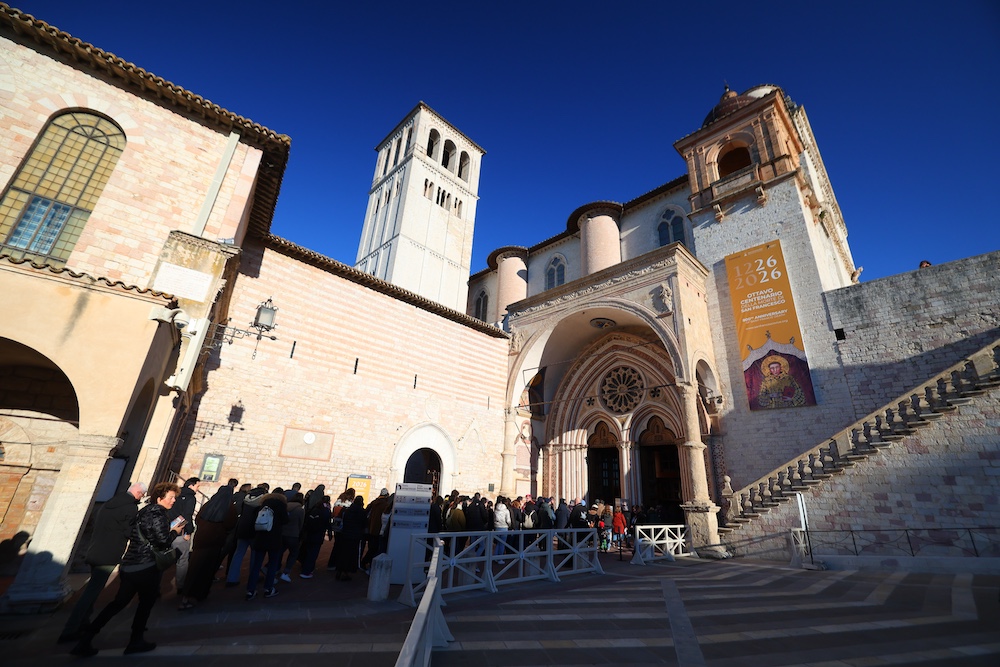
The scale of interest is striking. With hundreds of thousands of pilgrims expected, Assisi must balance devotion with logistics.
The Sacred Convent has implemented structured access routes inside the Basilica. Media access is limited to scheduled time slots. Filming inside the church is tightly regulated, and interviews with pilgrims are restricted to designated areas. Drones and additional lighting equipment are prohibited.
These measures aim to preserve a prayerful atmosphere. Assisi is not hosting a cultural exhibition, but an active devotional event.
For the town itself, the moment presents a mixed blessing. Increased visitation benefits hotels, restaurants, and local businesses. At the same time, Assisi’s narrow streets and sacred spaces require careful management to avoid overwhelming the experience.
Assisi Beyond the Basilica
For travelers planning a visit during this period, context matters.
Assisi sits in the heart of Umbria, often called Italy’s “green heart.” The town offers Roman, medieval, and Renaissance layers beyond the Basilica. Visitors can walk past the Temple of Minerva in Piazza del Comune, explore medieval alleyways, or hike trails on Mount Subasio overlooking the valley.
The nearby Basilica of Santa Maria degli Angeli houses the Porziuncola, the small chapel central to Francis’ early ministry. Together, these sites form a cohesive pilgrimage landscape rather than a single destination.
However, during the month of exposition, advance planning is essential. Timed access and increased security should be expected. Visitors should allow additional time and approach the Basilica with awareness of the devotional nature of the event.
A Moment That Will Not Soon Repeat
The St. Francis relics on public display in Assisi represent more than a commemorative gesture. They mark a convergence of history, faith, and place during a symbolic anniversary year.
Eight hundred years after his death, Francis continues to draw the world to this Umbrian hill town. Whether one arrives as pilgrim, cultural traveler, or observer, the invitation is clear: pause, reflect, and consider what simplicity and humility mean in the modern world.
For official visitor information and updates:
Visit Assisi: www.visit-assisi.it/en/
San Francesco Vive: sanfrancescovive.org/en/
Photos courtesy of the Sacred Convent of Assisi