
If you are traveling to Italy (or Europe) in 2026, you most certainly need to understand the European Travel Information and Authorization System (ETIAS) and Entry-Exit System (EES). Originally scheduled to go into effect in 2026, both were subject to technical delays and administrative rescheduling until recently. While EES has started, the implementation of ETIAS is still on the calendar for later this year.
The European Commission has provided the most definitive timeline yet for a system that will fundamentally change how over 1.4 billion people from 60 visa-exempt countries—including the United States, Canada, and the United Kingdom—enter Europe.
The Entry-Exit System (EES) Precursor
The Entry-Exit System (EES) replaces manual passport stamping with biometric registration (fingerprints and facial scans). In late 2025, the European Commission began its roll-out late in 2025, and it should be fully operational across all Schengen borders by April 10, 2026.
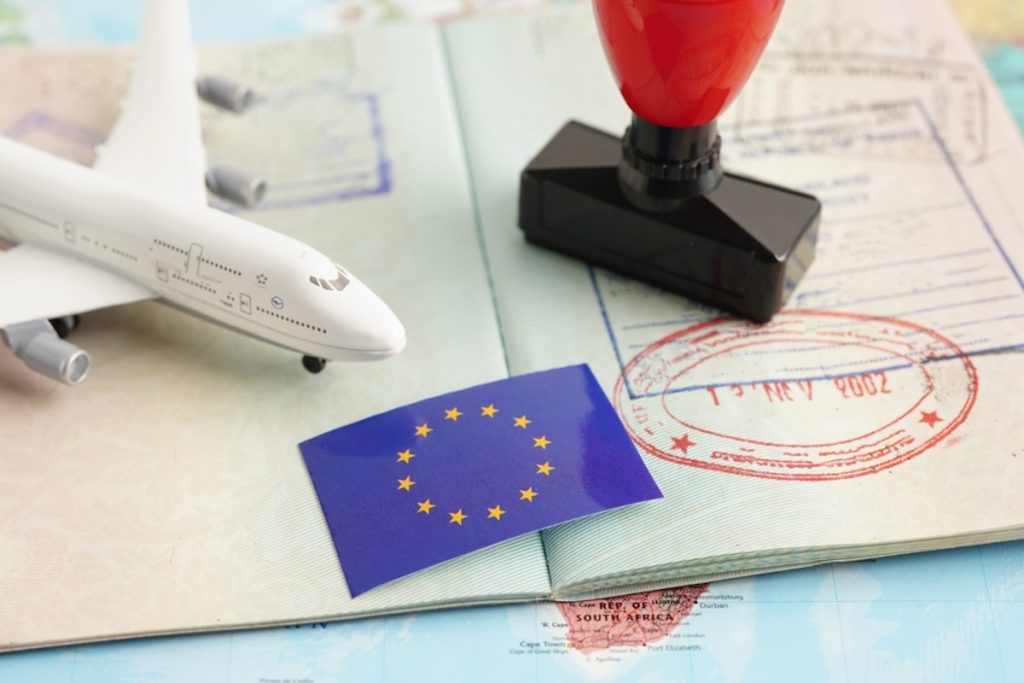
European Travel Information and Authorization System (ETIAS)
As I mentioned above, the EU has delayed implementation of ETIAS for several years. It is now officially scheduled to start operations in the last quarter of 2026.
Rules will not become mandatory overnight as the EU decided to implement a soft-launch approach. In order to prevent chaos at border crossings, when ETIAS goes live in late 2026, there will be a six-month transition period. At that time, travelers should have an ETIAS, but they will not be denied entry if they meet all other entry conditions. The “grace period” will end around April 2027 when ETIAS will become a mandatory boarding condition. In other words, you will have to have the ETIAS or airlines and cruise lines will not allow you to board.
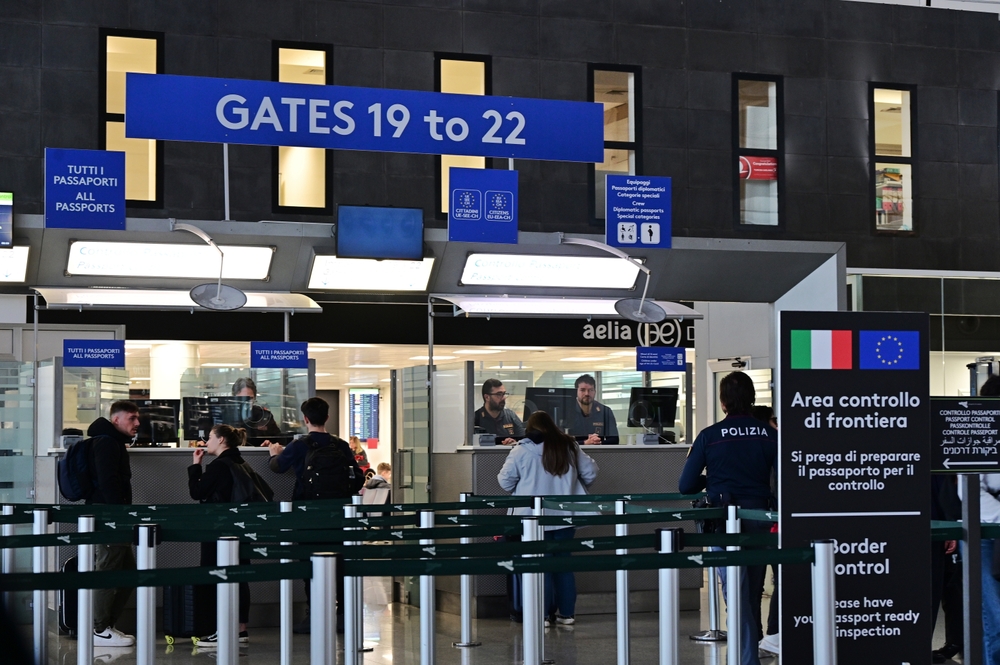
Cost Adjustment
Originally, the EU proposed charging €7 for ETIAS. The European Commission recently updated the price to €20 for applicants between the ages of 18 and 70 to cover the heightened operational and security costs of the digital infrastructure. The ETIAS will be valid for three years or until your passport expires, whichever comes first. Travelers under 18 or over 70 can apply for free, though they still must obtain the authorization.
What You Should Do Now
Currently, the official ETIAS application portal is still not open for submissions. Be advised, also, that the EU has not authorized any third party websites to provide services to obtain the ETIAS.
For more information, visit the official ETIAS website.